Minnesota Hmong Hotdish
Rate this recipeBe the first to rate
 By AprilPublished
 When it comes to comfort food, few dishes can rival the cozy warmth and nostalgic flavors of a hotdish.
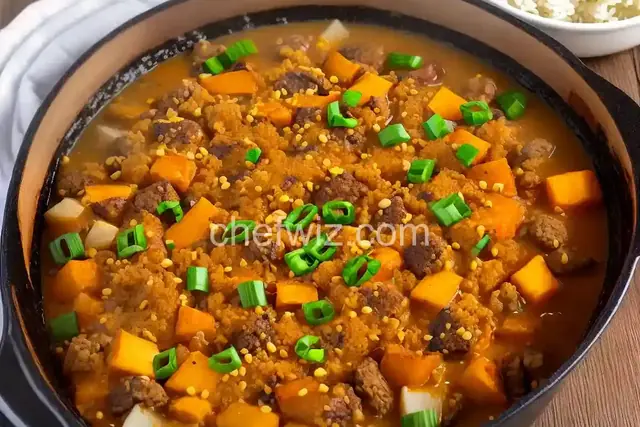 By AprilPublished
 When it comes to comfort food, few dishes can rival the cozy warmth and nostalgic flavors of a hotdish.
Step 1: Prepare the sauce by heating a large skillet over medium heat. Add lemongrass, onion, galangal, ginger, garlic, and lime leaves.
Step 2: Stir in the curry paste and cook for about 2 minutes until a fond forms on the bottom of the pan.
Step 3: Add roasted red peppers and tomatoes. Stir in coconut milk and bring to a simmer. Cook for 15 to 20 minutes until the sauce is reduced, pale orange, and bubbling. Remove the lime leaves.
Step 4: Transfer the sauce to a blender and puree until smooth. Strain through a fine-mesh sieve and season with salt to taste. Cook a few minutes more for a thicker sauce if desired.
Step 5: Preheat the oven to 425˚ F. Heat a large skillet over medium-high heat. Add the pork and cook until no longer pink, about 4 to 5 minutes. Season with salt and pepper.
Step 6: Toss the onion and root vegetables with olive oil on a baking sheet. Season with salt and pepper. Roast for 12 to 15 minutes until just tender. Cut into 1/2-inch cubes.
Step 7: Reduce the oven temperature to 375˚ F. In a large bowl, combine the cooked pork, roasted vegetables, and 2 cups of the curry sauce. The mixture should have the consistency of a stew.
Step 8: Transfer
When it comes to comfort food, few dishes can rival the cozy warmth and nostalgic flavors of a hotdish. And in the state of Minnesota, one hotdish that stands out is the Minnesota Hmong Hotdish. Combining elements of tradition and fusion, this dish is a true representation of the Hmong community's rich cultural heritage and their integration into American society.
The Hmong people, an ethnic group from the mountainous regions of China, Vietnam, Laos, and Thailand, have a long and vibrant history. Forced to flee their homelands due to political unrest, many Hmong refugees found a new home in Minnesota during the late 20th century.
Settling in the Land of 10,000 Lakes, the Hmong community faced numerous challenges as they adapted to their new surroundings. However, they persevered, embracing their cultural roots while also embracing the opportunities that America had to offer.
Hotdish, also known as casserole, is a beloved culinary tradition in Minnesota. It embodies the spirit of community and comfort, often shared at potlucks, family gatherings, and church suppers. The classic hotdish typically consists of a combination of meat, vegetables, and a creamy sauce, all baked together in a single dish.
Over the years, hotdish recipes have evolved and diversified, reflecting the changing demographics and tastes of Minnesota residents. And it is within this context that the Minnesota Hmong Hotdish emerged, blending traditional Hmong flavors with the familiar hotdish format.
What sets the Minnesota Hmong Hotdish apart is the infusion of unique Hmong ingredients and spices. Drawing inspiration from their culinary traditions, Hmong hotdish often incorporates ingredients such as lemongrass, ginger, and fish sauce, adding a vibrant and aromatic twist to the dish.
Furthermore, the Hmong community's love for bold flavors and fresh herbs is evident in the use of ingredients like Thai basil, cilantro, and lime. These additions not only enhance the taste but also provide a refreshing contrast to the richness of the hotdish.
Food has always played a vital role in preserving cultural heritage, and the Minnesota Hmong Hotdish is no exception. By infusing traditional Hmong flavors into a quintessential Minnesotan dish, the Hmong community is able to share their culture and traditions with others while also celebrating their own identity.
Moreover, the Minnesota Hmong Hotdish serves as a bridge between generations, connecting the younger Hmong Americans with their roots and history. It is a way for them to learn about their heritage and pass on their traditions to future generations.
The Minnesota Hmong Hotdish beautifully blends tradition and fusion, creating a dish that is not only delicious but also a symbol of cultural integration. It showcases the resilience and creativity of the Hmong community, while also providing a delightful culinary experience for all who enjoy it. So, next time you're in Minnesota, be sure to try this unique hotdish and savor the flavors that represent the best of both worlds.
The Minnesota Hmong Hotdish is a fusion of Hmong and Minnesotan culinary traditions. It originated from the Hmong community's desire to preserve their cultural heritage while embracing their new home in Minnesota.
Key ingredients in a Minnesota Hmong Hotdish include lemongrass, ginger, fish sauce, Thai basil, cilantro, and lime.
The Minnesota Hmong Hotdish differs from traditional hotdish in terms of its unique Hmong flavors and ingredients. It incorporates elements of Hmong cuisine, giving it a distinct taste and aroma.
While the Minnesota Hmong Hotdish is primarily a homemade dish, some restaurants in Minnesota may offer their own interpretation of it. It's best to check with local Hmong or fusion restaurants in the area.
The level of spiciness in a Minnesota Hmong Hotdish can vary depending on the recipe and personal preference. However, it typically has a mild to moderate level of spiciness.
Absolutely! The beauty of hotdish is its versatility. Feel free to experiment with different ingredients and flavors to create your own unique twist on the Minnesota Hmong Hotdish.
Yes, you can easily make a vegetarian version of the Minnesota Hmong Hotdish by substituting the meat with tofu, tempeh, or a variety of vegetables.
You can find traditional Hmong ingredients at Hmong markets or Asian grocery stores in Minnesota. These specialized stores offer a wide range of Hmong ingredients and spices to help you create an authentic Minnesota Hmong Hotdish.
AprilCook, recipe developer and the heart of Chefwiz. More about April