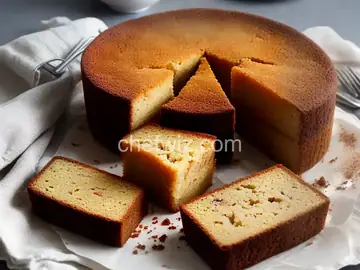
Mince Pies
Rate this recipeBe the first to rate
 By AprilPublished
 The holiday season is upon us, and what better way to celebrate than with a plateful of delicious mince pies?
 By AprilPublished
 The holiday season is upon us, and what better way to celebrate than with a plateful of delicious mince pies?
Combine all the ingredients for the mincemeat in a bowl and pour in brandy or rum to cover the fruit. Mix well and let it sit overnight.
The next day, stir the mincemeat mixture again and then distribute it evenly among sterilized preserving jars.
In a large bowl, mix together the flour, sugar, and salt to make the pastry. Rub the butter into the mixture until it resembles fine breadcrumbs.
Add the water and egg yolk to the pastry mixture and knead until it forms a smooth dough. Alternatively, you can use a food processor for this step.
Wrap the pastry dough in plastic wrap and refrigerate it for 30 minutes to let it rest.
Preheat the oven to 350°F. Grease the tart molds with butter and place a small circle of parchment paper at the base of each mold. Dust with flour.
Knead the pastry dough briefly until smooth, then shape it into a rectangle and roll it out to a thickness of ⅛ inch.
Use a round cutter with a diameter of 2¾ – 3¼ inches to cut out circles from the pastry. Gently press the pastry circles into the tart molds and prick the base of each tart shell three times with a fork.
Knead the remaining dough back together and roll it out to cut out lids for the tarts. Feel free to choose any shape you like,
The holiday season is upon us, and what better way to celebrate than with a plateful of delicious mince pies? These sweet and savory treats have been a staple of holiday gatherings for centuries, and for good reason. In this article, we'll explore the history of mince pies, their ingredients, and the traditions associated with them. So, grab a cup of tea and get ready to learn all about this classic holiday treat!
Believe it or not, mince pies have been enjoyed for hundreds of years. They originated in Medieval England, where they were known as "Christmas pies." These pies were filled with a mixture of minced meat, suet, fruits, spices, and alcohol. Over time, the recipe evolved, with the meat being replaced by more fruits and spices, making it a sweet treat instead of a savory one.
Mince pies are typically filled with a mixture called mincemeat. While the name may sound misleading, there is no actual meat in modern mincemeat. Instead, it's a delightful blend of dried fruits like raisins, currants, and apples, mixed with suet, sugar, spices like cinnamon and nutmeg, and a splash of brandy or rum for that extra festive kick.
Well, back in the day, mincemeat did indeed contain meat. It was a way to preserve meat during the winter months, by mixing it with dried fruits and spices. But as tastes changed and people's diets evolved, the meat was gradually phased out, and the name stuck.
When it comes to mince pies, there are a few traditions that have stood the test of time. One of the most popular is the belief that eating a mince pie on each of the twelve days of Christmas brings good luck for the year ahead. So why not give it a try and see if it brings you some extra fortune?
Traditionally, mince pies were made in a rectangular shape to represent the manger where Jesus was born. The top of the pie was often adorned with a pastry star, symbolizing the Star of Bethlehem. Nowadays, mince pies come in all shapes and sizes, but the tradition of the pastry star lives on.
Mince pies are more than just a delicious holiday treat; they are a link to our past and a symbol of the holiday season. Whether you enjoy them for their rich history, their warm and spicy flavors, or simply for the joy they bring, there's no denying the special place they hold in our hearts and on our plates. So, this holiday season, don't forget to treat yourself to a mince pie or two and savor the taste of tradition.
Absolutely! Making your own mincemeat can be a fun and rewarding experience. There are countless recipes available online, and you can customize the flavors to your liking. Just be sure to give yourself enough time, as mincemeat needs to mature for a few weeks to develop its full flavor.
Yes, you can! If you're looking for a vegetarian or vegan alternative, you can use vegetable suet or even coconut oil instead. The texture and flavor may be slightly different, but it will still be delicious.
Absolutely! Mince pies freeze exceptionally well. Just make sure to cool them completely before placing them in an airtight container or freezer bag. They can be kept in the freezer for up to three months. When you're ready to enjoy them, simply thaw them at room temperature or pop them in a warm oven for a few minutes.
Of course! While the traditional mincemeat recipe is delightful on its own, feel free to get creative and add your own twist. Some popular additions include chopped nuts, citrus zest, or even a dollop of marmalade for an extra burst of flavor.
Absolutely! Mini mince pies are a great option if you're serving a crowd or just want bite-sized treats. Simply use a smaller pastry cutter and adjust the baking time accordingly. They are perfect for holiday parties or for snacking on throughout the day.
Yes, you can! There are plenty of gluten-free pastry options available, or you can make your own using a gluten-free flour blend. Just be sure to check that all your other ingredients, such as the mincemeat, are also gluten-free.
Definitely! Mince pies can be enjoyed warm or at room temperature. If you prefer them warm, simply pop them in a preheated oven at 180°C (350°F) for about 5-10 minutes. Serve with a dollop of whipped cream or a scoop of vanilla ice cream for an extra indulgence.
Absolutely! Mince pies can be made ahead of time and stored in an airtight container for up to a week. If you're making them well in advance, it's best to freeze them and thaw them as needed. Just remember to bring them to room temperature or warm them up before serving.
AprilCook, recipe developer and the heart of Chefwiz. More about April