Middle Eastern Vegetable Salad
Rate this recipeBe the first to rate
 By AprilPublished
 Are you tired of the same old boring salads? Looking for something unique that will tantalize your taste buds?
 By AprilPublished
 Are you tired of the same old boring salads? Looking for something unique that will tantalize your taste buds?
In a large salad bowl, combine the scallions, tomatoes, cucumber, chickpeas, parsley, mint, and basil.
Toss the ingredients in the salad bowl to mix them together.
In a separate small bowl or measuring cup, whisk together the lemon juice, garlic, 2 teaspoons of salt, and 1 teaspoon of pepper.
Slowly add the olive oil to the lemon juice mixture while whisking to create an emulsion.
Pour the dressing over the salad in the large bowl, gently tossing to ensure all the vegetables are coated.
Sprinkle feta cheese over the salad, and add salt and pepper to taste.
Gently toss the salad again to distribute the feta and seasonings.
Serve the salad with toasted pita bread.
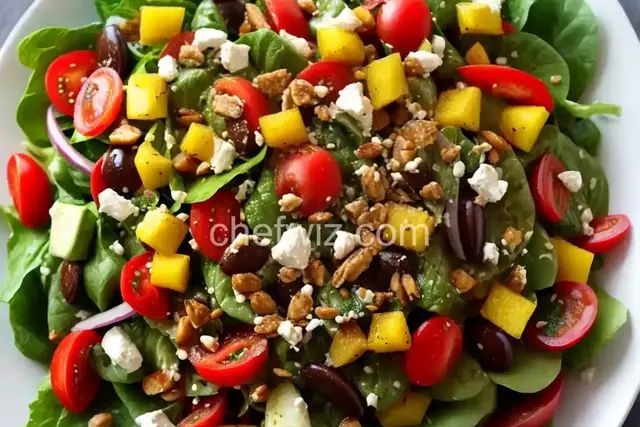
Are you tired of the same old boring salads? Looking for something unique that will tantalize your taste buds? Look no further than the Middle Eastern Vegetable Salad! This vibrant and refreshing dish is a burst of flavors and colors that will leave you craving for more. With its combination of fresh vegetables, tangy dressings, and aromatic herbs, this salad is a true delight for the senses. So, let's dive into the world of Middle Eastern cuisine and explore the wonders of this delicious salad!
When it comes to Middle Eastern cuisine, freshness is the key. The use of locally sourced, seasonal ingredients is what sets this cuisine apart. And the Middle Eastern Vegetable Salad is no exception. The star of this salad is the medley of fresh vegetables like cucumbers, tomatoes, bell peppers, and radishes. These crunchy and vibrant veggies not only add a burst of color to the dish but also provide a refreshing and light texture.
What takes this salad to the next level is the tangy dressings that are used to bring all the flavors together. One of the most popular dressings used in Middle Eastern cuisine is the zesty lemon and olive oil dressing. The combination of the tangy lemon juice and the rich and fruity olive oil adds a beautiful depth of flavor to the salad. Other dressings like tahini, yogurt, and pomegranate molasses are also commonly used, adding their own unique twist to the dish.
No Middle Eastern dish is complete without the aromatic herbs and spices. The Middle Eastern Vegetable Salad is no different. Fresh herbs like parsley, mint, and cilantro are generously added to the salad, giving it a burst of freshness and aroma. Spices like sumac, cumin, and za'atar are also commonly used to add a hint of warmth and complexity to the dish.
The Middle Eastern Vegetable Salad is a true delight for the senses. With its vibrant colors, refreshing flavors, and aromatic herbs, this salad is a burst of Middle Eastern goodness. Whether you enjoy it as a side dish or a main course, this salad will transport you to the vibrant streets of the Middle East. So, gather your ingredients, get creative with your dressings, and indulge in the freshness of this wonderful salad!
Yes, absolutely! The beauty of this salad is its versatility. Feel free to add or remove any vegetables based on your preference or what's available in your pantry.
While it's best to enjoy the salad fresh, you can certainly prepare the vegetables and dressings in advance. Just make sure to toss everything together right before serving to maintain the crunchiness and flavors.
Yes, the Middle Eastern Vegetable Salad is a vegetarian and vegan-friendly dish. It's a great option for those who follow a plant-based diet.
Absolutely! If you want to make the salad more filling, you can add protein-rich ingredients like chickpeas, grilled tofu, or feta cheese. These additions will not only enhance the nutritional value but also add an extra layer of flavor.
While the Middle Eastern Vegetable Salad is traditionally served as a side dish, you can definitely enjoy it as a main course. Just add some protein, like grilled chicken or shrimp, and you have a complete and satisfying meal.
The salad is best enjoyed fresh, but if you have leftovers, you can store them in an airtight container in the refrigerator for up to 2 days. Just make sure to give it a good toss before serving again.
Absolutely! Nuts like almonds, pistachios, or walnuts, as well as seeds like sesame or sunflower, can add a delightful crunch and texture to the salad. Feel free to experiment and add your favorite nuts or seeds.
Yes, absolutely! The Middle Eastern Vegetable Salad pairs well with various Middle Eastern dishes like hummus, falafel, or grilled kebabs. It can also be enjoyed alongside pita bread or as part of a mezze platter.
AprilCook, recipe developer and the heart of Chefwiz. More about April