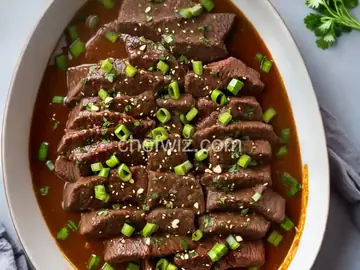
Middle Eastern Kibbeh
Rate this recipeBe the first to rate
 By AprilPublished
Have you ever tried Middle Eastern cuisine? If not, you're missing out on a culinary adventure filled with bold flavors and fragrant spices.
 By AprilPublished
Have you ever tried Middle Eastern cuisine? If not, you're missing out on a culinary adventure filled with bold flavors and fragrant spices.
Place bulgur in a microwave-safe bowl and cover with water until just reaching the top of the bulgur.
Microwave on High for 1 to 2 minutes, or until the bulgur is swollen and the water is absorbed.
Toss the bulgur briefly and allow it to cool.
In a food processor, combine mint leaves and gradually add onion until both are finely chopped.
Stir the mint-onion mixture into the bulgur, along with cumin, allspice, salt, and pepper.
Mix the bulgur mixture thoroughly with the ground lamb.
Shape the lamb mixture into small, palm-sized patties using damp hands.
Heat olive oil in a skillet over medium heat.
Add the kibbeh patties to the skillet and cook for about 6 minutes on each side, or until the outside is golden brown and the center is cooked through.
Alternatively, preheat the oven to 350 degrees F (175 degrees C).
Press the lamb mixture evenly into an 8x8 inch pan, about 3/4 to 1 inch thick.
Drizzle 3 tablespoons of olive oil over the top of the lamb mixture.
Bake in the preheated oven until the top is light brown, approximately 35 to 40 minutes, depending on thickness.
Allow the kibbeh to cool, then cut into
Have you ever tried Middle Eastern cuisine? If not, you're missing out on a culinary adventure filled with bold flavors and fragrant spices. One dish that stands out in this vibrant cuisine is Kibbeh. Originating from the Levant region, Kibbeh is a delicious combination of ground meat, bulgur wheat, and spices. Let's dive into the world of Middle Eastern Kibbeh and discover its fascinating history and mouthwatering variations.
Imagine taking a trip back in time to the ancient kingdoms of the Middle East. The origins of Kibbeh can be traced back to these ancient civilizations, where it was considered a staple food. Over the centuries, Kibbeh has evolved and adapted to various regional palates, resulting in a wide range of preparations and flavors.
One of the most traditional forms of Kibbeh is Kibbeh Nayeh, which is raw and marinated. It may sound unusual, but it's a delicacy that showcases the freshness and quality of the ingredients. The combination of finely ground raw meat, bulgur wheat, and aromatic spices creates a unique texture and flavor profile that is truly remarkable.
If you prefer your Kibbeh cooked, then Kibbeh Balls are a must-try. These small, deep-fried balls are packed with a savory filling, often made with minced meat, onions, and pine nuts. The crispy exterior gives way to a tender and flavorful interior, making each bite a delightful experience.
For a heartier version of Kibbeh, look no further than Baked Kibbeh. This dish is made by layering a mixture of bulgur wheat, ground meat, and spices, and then baking it to perfection. The result is a golden-brown crust that encases a moist and flavorful filling. Baked Kibbeh is often served with a side of yogurt or a refreshing salad.
Middle Eastern Kibbeh is a dish that encapsulates the rich flavors and culinary heritage of the Levant region. Whether you prefer it raw, fried, or baked, Kibbeh offers a delightful combination of textures and aromas that will transport your taste buds to a land of spices and traditions. So why not embark on a gastronomic journey and experience the wonders of Middle Eastern cuisine with a plate of Kibbeh?
Yes, you can! Instead of using meat, you can substitute it with ingredients like mushrooms, lentils, or even mashed potatoes. The flavors might differ, but the essence of Kibbeh will still shine through.
Common spices used in Kibbeh include cumin, cinnamon, allspice, and nutmeg. These spices add warmth and depth to the dish, creating a tantalizing aroma.
Absolutely! Kibbeh freezes well, making it a convenient option for meal prepping or storing leftovers. Just make sure to wrap it tightly in plastic wrap or place it in an airtight container before freezing.
Kibbeh is incredibly versatile and can be served in various ways. It can be enjoyed as an appetizer, a main course, or even as part of a mezze platter. Serve it with pita bread, a side of tahini sauce, and a fresh salad for a complete Middle Eastern feast.
Kibbeh is not inherently spicy, but it can be easily adjusted to suit your spice preference. If you enjoy a kick of heat, feel free to add some chili powder or red pepper flakes to the meat mixture.
Yes, you can prepare Kibbeh ahead of time and refrigerate it until you're ready to cook or serve. This allows the flavors to meld together, resulting in an even more delicious dish.
Absolutely! Vegetarian versions of Kibbeh often use ingredients like bulgur wheat, lentils, or vegetables as a base. These alternatives offer a delightful twist on the traditional meat-based Kibbeh.
While Kibbeh is most commonly found in Middle Eastern restaurants, you can also try making it at home. With a few simple ingredients and some patience, you can recreate the flavors of the Levant in your own kitchen.
AprilCook, recipe developer and the heart of Chefwiz. More about April