Mexican Pasta
Rate this recipeBe the first to rate
 By AprilPublished
 When it comes to fusion cuisine, Mexican pasta is a delightful blend of two culinary worlds.
 By AprilPublished
 When it comes to fusion cuisine, Mexican pasta is a delightful blend of two culinary worlds.
Boil a large pot of water with a pinch of salt.
Add pasta to the boiling water and cook for 8 to 10 minutes until it is firm to the bite (al dente). Then, drain the pasta.
While the pasta is cooking, heat some olive oil in a large skillet over medium heat.
Cook onions and bell peppers in the heated oil until they become lightly browned, which should take around 10 minutes.
Add corn to the skillet and heat it through.
Stir in black beans, tomatoes, salsa, olives, seasoning mix, salt, and pepper. Cook the mixture until it is heated thoroughly, approximately 5 minutes.
Combine the sauce with the cooked pasta and mix well.
Serve the dish.
When it comes to fusion cuisine, Mexican pasta is a delightful blend of two culinary worlds. It combines the rich and spicy flavors of Mexican cuisine with the comforting and versatile nature of pasta. The result? A mouthwatering dish that is sure to please both Mexican food enthusiasts and pasta lovers alike.
Imagine the heat of chili peppers, the tanginess of lime, and the earthiness of cumin infused into a creamy pasta sauce. Mexican pasta brings together the vibrant and bold flavors of Mexico with the comforting and filling nature of pasta. It's a match made in culinary heaven.
Just like a harmonious melody, each ingredient in Mexican pasta plays a crucial role in creating a symphony of flavors. The pasta itself acts as a canvas, soaking up all the deliciousness of the sauce and toppings. The sauce, often made with tomatoes, garlic, and a variety of spices, adds depth and complexity to the dish. And let's not forget the toppings - from savory grilled chicken to creamy avocado slices, each one adds its own unique touch.
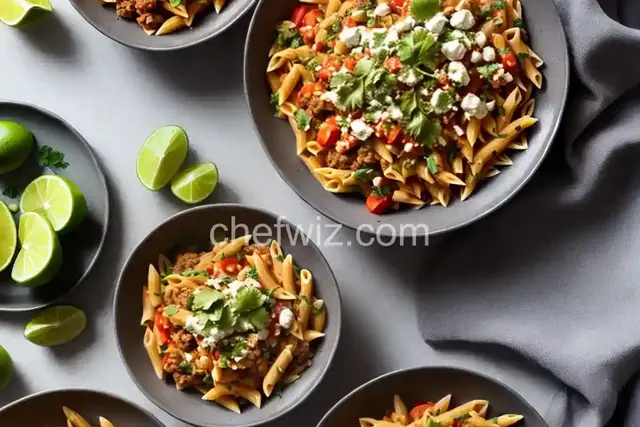
One of the reasons Mexican pasta is so visually appealing is the array of vibrant colors and contrasting textures. Imagine a plate filled with bright red tomatoes, vibrant green cilantro, and creamy white cheese. It's like a fiesta for your eyes!
But it's not just about appearances. The combination of different textures in Mexican pasta adds another layer of enjoyment. From the softness of the pasta to the crunchiness of the toppings, every bite is a delightful surprise.
One of the great things about Mexican pasta is its versatility. You can adapt the dish to suit your tastes and dietary preferences. Whether you're a vegetarian, a meat lover, or someone with dietary restrictions, Mexican pasta can easily be customized to meet your needs.
Want a little extra spice? Add some jalapeños or a sprinkle of chili powder. Craving some protein? Top your Mexican pasta with grilled shrimp or shredded chicken. The possibilities are endless, and you can get creative with the ingredients you have on hand.
Yes! You can easily make Mexican pasta with gluten-free pasta. There are many gluten-free pasta options available in stores, ranging from corn-based to rice-based. Just make sure to follow the cooking instructions on the package.
Absolutely! Mexican pasta can be made without dairy. Instead of using cream or cheese in the sauce, you can opt for dairy-free alternatives like coconut milk or cashew cream. You can also use dairy-free cheese substitutes or skip the cheese altogether.
Some popular toppings for Mexican pasta include grilled chicken, shrimp, avocado slices, diced tomatoes, cilantro, and crumbled queso fresco. Feel free to mix and match toppings to create your own unique combination!
Definitely! If you love spicy food, you can add chili peppers, such as jalapeños or serranos, to your Mexican pasta. You can also sprinkle some chili powder or cayenne pepper for an extra kick of heat.
You can use any type of pasta for Mexican pasta, depending on your preference. Some popular choices include penne, fusilli, and rotini. Choose a pasta shape that holds the sauce well and complements the toppings.
Yes, you can make Mexican pasta ahead of time. Simply cook the pasta and prepare the sauce separately. When you're ready to serve, heat up the sauce, toss it with the pasta, and add your desired toppings.
It's not recommended to freeze Mexican pasta, as the texture of the pasta may change upon thawing. It's best to enjoy Mexican pasta fresh for the best taste and texture.
While Mexican pasta is often enjoyed as a main dish, you can also serve it as a side dish. Pair it with grilled meats, roasted vegetables, or a fresh salad for a complete and satisfying meal.
In conclusion, Mexican pasta is a delightful fusion of flavors and cultures. It brings together the bold and spicy elements of Mexican cuisine with the comforting and versatile nature of pasta. With its burst of colors, contrasting textures, and endless customization options, Mexican pasta is a dish that is sure to please everyone at the table. So why not give it a try and embark on a culinary adventure?
AprilCook, recipe developer and the heart of Chefwiz. More about April