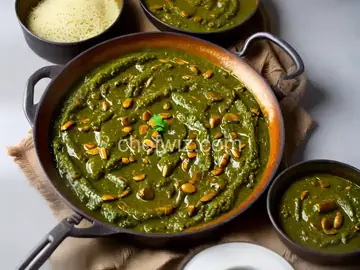
Manti (Persian dumpling)
Rate this recipeBe the first to rate
 By AprilPublished
 Have you ever tasted a bite-sized piece of heaven? Manti, the Persian dumpling, is exactly that.
 By AprilPublished
 Have you ever tasted a bite-sized piece of heaven? Manti, the Persian dumpling, is exactly that.
In a large bowl, combine flour and salt.
In a separate bowl, mix the beaten egg with water and pour it over the flour. Use your hand to mix the flour for a few minutes.
Add olive oil to the mixture and knead the dough for 5 minutes.
The dough should be firm for making dumplings. Place it in a bowl, cover it with a towel, and let it rest in the fridge for 1 hour.
Meanwhile, prepare the filling by combining grated onion with ground meat. Season with salt and pepper.
Make two sauces:
a. For the garlic yogurt sauce, beat plain yogurt with grated garlic, olive oil, salt, and chili flakes in a bowl. Set aside.
b. For the tomato sauce, heat oil in a pan and add tomato paste, dried mint, salt, and pepper. Mix together and simmer for 2 minutes.
Once the dough is ready, divide it into 4 pieces. Work with one piece of dough at a time and roll it as thinly as possible on a floured surface.
Use a cutter to cut the dough into small squares.
Place a small amount of filling (meat or cheese) in the middle of each square-shaped dough.
Pinch the opposite corners of the dough to seal it firmly.
Repeat this process with the remaining dough.
Bring salted water to a boil in
Have you ever tasted a bite-sized piece of heaven? Manti, the Persian dumpling, is exactly that. Bursting with flavor and wrapped in a delicate dough, these little pockets of joy are a culinary adventure you don't want to miss. Join me as we explore the rich history, tantalizing flavors, and cultural significance of Manti.
Manti holds a special place in Persian cuisine and culture. Its origins can be traced back to Central Asia, where it was a popular dish among nomadic tribes. As Persian traders and explorers traveled the Silk Road, they brought this culinary gem back home. Today, Manti is considered a traditional dish in Iran, Afghanistan, and parts of Central Asia.
The making of Manti is no ordinary task. It is a labor of love that brings families and communities together. Picture this: a group of people gathering around a table, meticulously folding each dumpling, sharing stories, and passing on time-honored traditions. Manti is not just a meal; it is an experience that celebrates the bonds of kinship and the joy of shared meals.
When it comes to flavors, Manti offers a symphony of tastes that will leave your taste buds dancing with delight. The filling can vary from region to region, but some popular options include lamb, beef, or a combination of both. The meat is typically mixed with fragrant spices like garlic, onion, and black pepper, creating a savory and aromatic sensation.
But the real magic lies in the sauce. Manti is traditionally served with a tangy tomato sauce, infused with garlic and herbs. This vibrant sauce adds a burst of freshness that perfectly complements the rich flavors of the dumplings. And let's not forget the finishing touch - a generous dollop of tangy yogurt or a sprinkle of sumac, a reddish-purple spice that adds a lemony zing to every bite.
Preparing Manti requires precision and patience. The dough is rolled out thinly and cut into small squares, each one carefully folded around the filling. The result is a little masterpiece, resembling a tiny hat or a closed flower bud. These intricate folds not only enhance the visual appeal but also ensure that the flavors are locked inside, waiting to be discovered.
Just like an artist, a Manti maker takes pride in their creations. Each dumpling is a testament to their skill and dedication. And when you take that first bite, you'll understand why Manti is not just a dish; it's a work of art.
Manti's popularity has spread far beyond its Persian roots. You can now find variations of this delectable dumpling in many countries around the world. In Turkey, for example, they have their own version called "Mantı," with a slightly different filling and sauce. In Armenia, "Manti" is often served with yogurt and melted butter. These regional adaptations showcase the versatility and universal appeal of Manti.
So, whether you're in Tehran or Istanbul, Kabul or Yerevan, Manti is a dish that brings people together, transcending borders and cultures. It's a testament to the power of food to connect us all.
Manti is more than just a dumpling; it's a celebration of flavors, traditions, and the joy of sharing a meal. With its rich history, tantalizing flavors, and cultural significance, Manti invites us on a culinary journey that transcends borders and brings people together. So, grab a plate, savor each bite, and let Manti take you on a delightful adventure.
Absolutely! Manti can be filled with various vegetarian options, such as spinach, mushrooms, or lentils. Get creative and experiment with flavors that suit your taste.
Yes, you can freeze Manti before cooking. Arrange the dumplings on a tray, making sure they don't touch each other. Once frozen, transfer them to a freezer-safe bag. They can be stored for up to three months.
Manti is traditionally boiled, but you can also try baking or steaming them. Boiling ensures a tender texture, while baking gives them a slightly crispy exterior. Steaming is a healthier option that preserves the delicate flavors.
Yes, you can use gluten-free flour or a combination of alternative flours to make the dough. Keep in mind that the texture may vary slightly, but the flavors will still be delicious.
While tomato sauce is the classic choice, you can also try different sauces like pesto, yogurt-based sauces, or even a spicy chili sauce. The key is to pair the sauce with flavors that complement the filling.
Yes, you can prepare Manti ahead of time and refrigerate them until you're ready to cook. Just make sure to cover them tightly to prevent drying out.
Manti pairs well with a variety of side dishes. Some popular options include salads, pickled vegetables, yogurt, or a refreshing cucumber and mint dip.
Absolutely! Many Persian restaurants offer Manti as part of their menu. It's a great way to experience the flavors and traditions of Persian cuisine.
Manti can be a healthy dish, especially when made with lean meats and served with fresh ingredients. However, like any dish, moderation is key. Enjoy Manti as part of a balanced diet.
AprilCook, recipe developer and the heart of Chefwiz. More about April