Discover the Rich Flavors of Mansaf
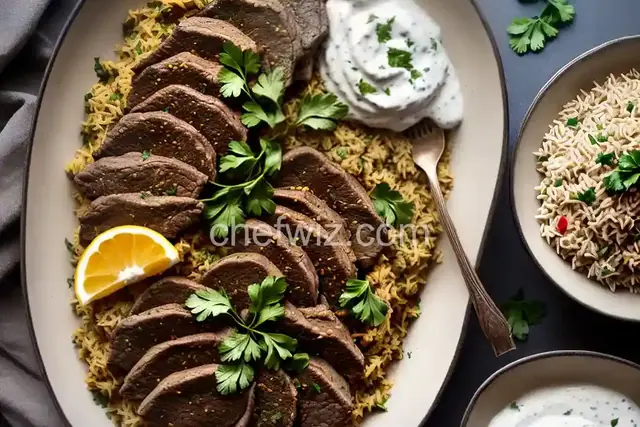
Mansaf, the traditional Palestinian dish, is a true culinary delight that combines succulent spiced lamb, fragrant rice, and a velvety yogurt sauce. This mouthwatering dish is not just a meal, but a cultural experience that brings people together, celebrating the rich flavors and traditions of Palestine. Join us on a gastronomic journey as we unravel the secrets of preparing this exquisite dish.
Unveiling the Origins of Mansaf
The roots of Mansaf can be traced back to the Bedouin tribes of Jordan, who relied on their herds of sheep for sustenance. As they migrated, the Bedouins discovered a unique way to preserve lamb by cooking it with fermented yogurt and serving it with rice and bread. Over time, this humble dish evolved into the grand Mansaf we know today, becoming a symbol of hospitality, generosity, and unity.
Unlocking the Secrets of Preparing Mansaf
Preparing Mansaf requires time, patience, and attention to detail. The star of the dish is the lamb, which is marinated in a blend of aromatic spices like cinnamon, allspice, and cardamom. The meat is then slow-cooked to perfection, resulting in tender, juicy morsels that melt in your mouth. The rice is cooked separately, infused with the flavors of the lamb broth. Finally, the dish is assembled, with the rice forming a bed for the spiced lamb, and the yogurt sauce generously drizzled over the top.
A Symphony of Flavors and Textures
One bite of Mansaf is like a symphony for your taste buds. The tender lamb, infused with spices, provides a rich and savory experience. The fragrant rice, cooked to perfection, adds a subtle nuttiness to the dish. And the yogurt sauce, with its creamy and tangy notes, perfectly complements the flavors of the lamb and rice. Each element works in harmony, creating a culinary masterpiece that will leave you craving for more.
Mansaf: More than Just a Dish
Mansaf is not just a meal; it is a symbol of Palestinian culture and heritage. It represents the values of hospitality, community, and the importance of sharing a meal with loved ones. In Palestinian tradition, Mansaf is often served on special occasions and celebrations, bringing families and friends together to create lasting memories. It is a dish that carries the warmth and love of a community, passed down through generations.
Pairing Mansaf with the Finest Wines
To elevate your Mansaf experience, consider pairing it with the finest wines that complement the flavors of the dish. The bold and fruity notes of a Syrah or a Cabernet Sauvignon can balance the richness of the lamb, while a crisp and acidic white wine like a Chardonnay or a Riesling can enhance the tanginess of the yogurt sauce. Experiment with different wine pairings to find the perfect match for your palate.
Mansaf: A Global Sensation
Over the years, Mansaf has gained popularity beyond the borders of Palestine, capturing the hearts and palates of food enthusiasts around the world. Its unique blend of flavors and cultural significance has made it a beloved dish in many Middle Eastern and Mediterranean restaurants. Whether you're enjoying Mansaf in its place of origin or experiencing it in a foreign land, each bite is a testament to the power of food to bridge cultures and bring people together.
Experience the Timeless Tradition of Mansaf
As you delve into the world of Mansaf, you embark on a journey that transcends borders and generations. This iconic dish represents the true essence of Palestinian cuisine, with its rich flavors, cultural significance, and the warmth of shared meals. So, gather your loved ones, savor each bite, and let Mansaf transport you to the vibrant and hospitable land of Palestine.
Frequently asked questions
- What is the history behind Mansaf?
Mansaf has its origins in the Bedouin tribes of Jordan, who preserved lamb by cooking it with fermented yogurt and serving it with rice and bread. Over time, it evolved into the grand dish we know today.
- What are the key ingredients in Mansaf?
The main ingredients in Mansaf are lamb, rice, yogurt, and a blend of aromatic spices like cinnamon, allspice, and cardamom.
- Can I substitute the lamb with another meat?
While lamb is the traditional choice for Mansaf, you can experiment with other meats like chicken or beef to suit your preferences.
- How long does it take to cook Mansaf?
Mansaf is a dish that requires slow cooking to achieve the desired tenderness and flavors. It can take several hours, but the result is well worth the wait.
- Can I make Mansaf vegetarian-friendly?
Yes, you can adapt Mansaf to suit a vegetarian diet by replacing the meat with vegetables like cauliflower or mushrooms and using vegetable broth instead of lamb broth.
- What are some traditional side dishes to serve with Mansaf?
Traditional side dishes that pair well with Mansaf include tabbouleh, fattoush, hummus, and fresh pita bread.
- Can I freeze leftover Mansaf?
Mansaf is a dish that can be frozen and reheated. However, keep in mind that the texture and flavors may slightly change upon reheating.
- Where can I find Mansaf outside of Palestine?
Mansaf has gained popularity worldwide, and you can find it in many Middle Eastern and Mediterranean restaurants. Check your local culinary scene for a taste of this exquisite dish.
 By AprilPublished