Mamon (Sponge Cakes)
Rate this recipeBe the first to rate
 By AprilPublished
 Are you craving a light and fluffy treat that will melt in your mouth?
 By AprilPublished
 Are you craving a light and fluffy treat that will melt in your mouth?
Preheat the oven to 325 degrees F (165 degrees C) and grease 16 muffin cups.
In a large bowl, combine the flour, 1 cup sugar, baking powder, and salt. Create a well in the center of the mixture.
Add the oil, egg yolks, grated orange peel, vanilla extract, orange juice, and water to the well. Mix well by hand until the batter is smooth with no lumps.
In a separate mixing bowl, beat the egg whites with the cream of tartar until foamy.
Gradually add 1/2 cup sugar to the egg whites while continuing to beat, until soft peaks form. The egg whites should form soft mounds rather than a sharp peak.
Fold the flour mixture into the beaten egg whites.
Pour the resulting batter into the prepared muffin cups, filling them about 2/3 full.
Bake in the preheated oven for approximately 40 minutes, or until a toothpick inserted into the center comes out clean.
Allow the muffins to cool in the pans for 10 minutes, then transfer them to a wire rack to cool completely.
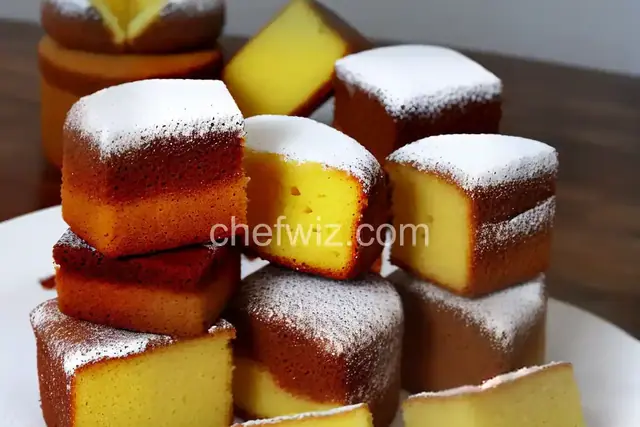
Are you craving a light and fluffy treat that will melt in your mouth? Look no further than mamon, the Filipino version of sponge cakes. These delightful treats are perfect for any occasion, whether it's a simple afternoon snack or a special celebration. In this article, we will explore the history, flavors, and variations of mamon, as well as share some tips for baking the perfect batch. So, grab a cup of tea and get ready to indulge in the world of mamon!
Like many traditional desserts, the exact origins of mamon are unclear. However, it is believed that mamon was introduced to the Philippines during the Spanish colonial period. The word "mamon" itself is derived from the Spanish word "mamón," which means "sucker" or "suckling." This name perfectly describes the soft and delicate texture of these cakes.
One of the best things about mamon is the variety of flavors and variations available. The classic mamon is vanilla-flavored, but you can also find chocolate, ube (purple yam), pandan, and even cheese-flavored mamon. Each flavor brings a unique twist to the traditional recipe, allowing you to experiment and find your favorite.
Baking mamon requires some precision, but with a few tips and tricks, you'll be able to achieve bakery-worthy results. Here are some key tips to keep in mind:
Cake flour has a lower protein content, which helps create a lighter and softer texture in your mamon. If you don't have cake flour on hand, you can make a substitute by combining all-purpose flour with cornstarch.
To achieve that fluffy texture, it's important to beat the egg whites separately until they form stiff peaks. This will help incorporate air into the batter and give your mamon its characteristic lightness.
When combining the dry and wet ingredients, be sure to fold the batter gently. Overmixing can result in a dense and heavy cake, so take your time and fold until just combined.
Mamon is typically baked in individual molds or cupcake liners. Investing in good-quality molds will ensure even baking and a beautiful shape for your cakes.
Mamon is truly a delightful treat that has captured the hearts of Filipinos and dessert lovers around the world. With its soft and fluffy texture and a wide range of flavors, mamon offers something for everyone. So, why not try your hand at baking some mamon and experience the joy of these heavenly sponge cakes for yourself?
Yes, you can freeze mamon. Just make sure to wrap them tightly in plastic wrap or place them in an airtight container before freezing. When ready to eat, let them thaw at room temperature or reheat them in the oven for a few minutes.
While an electric mixer makes the process easier, you can still make mamon without one. Just be prepared for some arm workout as you beat the egg whites and mix the batter by hand.
Mamon can stay fresh for up to three days when stored in an airtight container at room temperature. If you want to extend their shelf life, you can refrigerate them for up to a week.
Yes, you can use margarine as a substitute for butter in mamon. However, keep in mind that the flavor and texture may be slightly different.
Absolutely! Mamon can be enjoyed plain or with various toppings and fillings. Some popular choices include buttercream frosting, grated cheese, or even a dollop of fruit jam.
Yes, you can make mini mamon by using smaller molds or cupcake liners. Just adjust the baking time accordingly, as they will cook faster than regular-sized mamon.
Definitely! You can experiment with different flavor extracts to customize your mamon. Try using almond, lemon, or even coconut extract for a unique twist.
While cake flour is the preferred choice for mamon, you can use all-purpose flour if that's all you have. Just keep in mind that the texture may be slightly different.
Yes, you can make gluten-free mamon by using a gluten-free flour blend. Be sure to check the packaging of your chosen flour blend to ensure it is suitable for baking.
AprilCook, recipe developer and the heart of Chefwiz. More about April