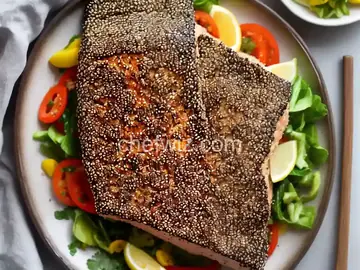
Mahi Mahi in Marmalade-Dijon Glaze
Rate this recipeBe the first to rate
 By AprilPublished
 Are you a seafood enthusiast looking to tantalize your taste buds with a unique and flavorful dish?
 By AprilPublished
 Are you a seafood enthusiast looking to tantalize your taste buds with a unique and flavorful dish?
Pat dry the mahi mahi fillets using a paper towel.
Sprinkle both sides of the fish with garlic powder and paprika.
In a small bowl, combine chicken broth, marmalade, and mustard.
Generously spray a medium skillet with cooking spray.
Heat the skillet over medium heat and cook the mahi mahi fillets until they are browned, approximately 6 minutes.
Flip the fillets and pour the broth mixture into the pan.
Bring the mixture to a rolling simmer and cook until the fish is fully cooked and the sauce has reduced by half, which should take about 5 to 10 minutes.
Season with salt.
Are you a seafood enthusiast looking to tantalize your taste buds with a unique and flavorful dish? Look no further than Mahi Mahi in Marmalade-Dijon Glaze! This delightful recipe combines the succulent meatiness of Mahi Mahi with the tangy sweetness of marmalade and the subtle heat of Dijon mustard. With its vibrant flavors and easy preparation, this dish is sure to impress your family and friends. So, let's dive into the depths of this delectable creation and discover how to make it a memorable addition to your culinary repertoire!
Mahi Mahi, also known as dolphin fish or dorado, is a popular choice among seafood lovers for its firm texture and mild flavor. Its meat is lean and versatile, making it an excellent canvas for bold flavors. Whether you grill, bake, or pan-sear it, Mahi Mahi holds up well and pairs beautifully with a variety of seasonings and sauces.
The star of our dish is the tantalizing Marmalade-Dijon Glaze. Picture this: a glaze that combines the lusciousness of citrus marmalade with the zing of Dijon mustard. The result is a harmonious blend of sweet and spicy, with a hint of tanginess. The glaze not only enhances the natural flavors of the Mahi Mahi but also adds a delightful caramelized finish to the fish.
Creating this mouthwatering dish is simpler than you might think. Start by marinating the Mahi Mahi in a mixture of olive oil, lemon juice, and garlic to infuse it with flavor. While the fish marinates, prepare the glaze by combining marmalade, Dijon mustard, soy sauce, and a touch of honey. Once the fish is marinated, generously coat it with the glaze and let it rest for a few minutes to allow the flavors to meld together. Finally, cook the Mahi Mahi to perfection by grilling, baking, or sautéing it until it's tender and flaky.
Mahi Mahi in Marmalade-Dijon Glaze is a culinary adventure that combines the best of sweet, tangy, and spicy flavors. This dish allows you to explore the depths of your creativity while delighting your taste buds. Whether you're a seafood aficionado or simply looking to impress your guests, this recipe is a winner. So, embark on this gastronomic journey and savor the incredible flavors that await you!
A1: Mahi Mahi has a mild, slightly sweet flavor with a firm and meaty texture, similar to grouper or swordfish.
A2: Absolutely! While Mahi Mahi works best, you can substitute it with other firm, white-fleshed fish like cod or halibut.
A3: Of course! If you prefer a milder glaze, simply reduce the amount of Dijon mustard or substitute it with a milder mustard variety.
A4: Certainly! The glaze can be prepared in advance and stored in an airtight container in the refrigerator for up to a week.
A5: For optimal flavor, marinate the Mahi Mahi for at least 30 minutes. However, if you're short on time, a quick 10-minute marinade will still infuse the fish with delicious flavors.
A6: The possibilities are endless! Serve the Mahi Mahi with a refreshing citrus salad, roasted vegetables, or a side of wild rice for a complete and satisfying meal.
A7: Absolutely! This dish is perfect for entertaining. Its vibrant flavors and elegant presentation will impress your guests and leave them craving for more.
A8: Yes, Mahi Mahi is considered a sustainable seafood choice. However, always opt for sustainably sourced fish to support responsible fishing practices.
AprilCook, recipe developer and the heart of Chefwiz. More about April