Mahalabia: A Delightful Lebanese Cardamom Pudding
Are you ready to embark on a culinary journey to Lebanon? Let me introduce you to the exquisite world of Mahalabia, a traditional Lebanese cardamom pudding that will tantalize your taste buds and transport you to the vibrant streets of Beirut. In this article, we will explore the origins of Mahalabia, its unique flavor profile, and how to enjoy this delightful dessert. So, grab a spoon and get ready to indulge!
The Origins of Mahalabia
Just like the rich history of Lebanon, Mahalabia has its own fascinating story. This creamy pudding dates back centuries and has been passed down through generations of Lebanese families. It is believed to have originated in the royal kitchens of the Ottoman Empire, where it was served as a luxurious treat to sultans and their guests.
Over time, Mahalabia made its way into Lebanese households, becoming a beloved dessert that is cherished during special occasions and festive gatherings. Its popularity has spread beyond Lebanon's borders, captivating dessert enthusiasts around the world with its delicate texture and aromatic flavors.
The Flavor Profile of Mahalabia
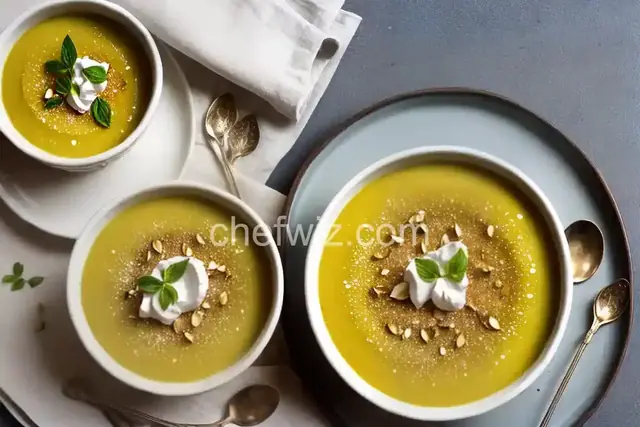
Imagine a dessert that combines the smoothness of silk with the warmth of cardamom. That's Mahalabia in a nutshell. This heavenly pudding is made from a base of milk, sugar, and rice flour, resulting in a luscious texture that melts in your mouth.
What sets Mahalabia apart is the addition of cardamom, a spice that adds a subtle yet distinct flavor to the pudding. Cardamom's fragrant and slightly citrusy notes complement the creamy sweetness of Mahalabia, elevating it to a whole new level of decadence.
How to Enjoy Mahalabia
Mahalabia can be enjoyed in various ways, making it a versatile dessert that suits different palates. Here are a few delightful serving suggestions:
1Classic Mahalabia:
Serve the pudding in individual bowls or glasses, garnished with a sprinkle of ground pistachios or almonds. The nutty crunch adds a delightful contrast to the smoothness of Mahalabia.
2Rosewater Infused Mahalabia:
Elevate the floral notes of Mahalabia by adding a few drops of rosewater to the pudding mixture. The delicate aroma will transport you to a blooming garden with every spoonful.
3Mahalabia Parfait:
Layer Mahalabia with fresh fruits, such as sliced strawberries or juicy mangoes, in a beautiful glass. This creates a visually appealing dessert that is as delicious as it is eye-catching.
Whatever way you choose to enjoy Mahalabia, one thing is for certain – it will leave you craving for more!
Conclusion
Mahalabia is more than just a dessert; it's a culinary masterpiece that represents the rich cultural heritage of Lebanon. Its silky texture, fragrant aroma, and delicate flavors make it a truly enchanting experience for your taste buds.
So, the next time you want to treat yourself or impress your guests with a dessert that is both elegant and comforting, look no further than Mahalabia. Indulge in a bowl of this Lebanese cardamom pudding, and let it transport you to a world of sweetness and delight.
Frequently asked questions
- Q1: Can I use almond milk instead of regular milk in Mahalabia?
A1: Absolutely! Almond milk can be a delicious alternative for those who are lactose intolerant or prefer a dairy-free option. Just make sure to choose an unsweetened variety to maintain the balance of flavors.
- Q2: Can I use a different spice instead of cardamom?
A2: While cardamom is the traditional spice used in Mahalabia, you can experiment with other aromatic spices like cinnamon or nutmeg. Just keep in mind that it will alter the flavor profile of the pudding.
- Q3: Can I make Mahalabia in advance?
A3: Absolutely! Mahalabia can be prepared ahead of time and stored in the refrigerator for up to two days. Just make sure to cover it well to prevent any flavors from transferring.
- Q4: Can I add a touch of honey to sweeten Mahalabia?
A4: Yes, you can add a drizzle of honey to sweeten Mahalabia. However, keep in mind that it might alter the texture slightly, so use it sparingly.
- Q5: Is Mahalabia gluten-free?
A5: Yes, Mahalabia is naturally gluten-free as it is made with rice flour instead of wheat flour. It's a great option for those with gluten sensitivities or celiac disease.
- Q6: Can I serve Mahalabia warm?
A6: While Mahalabia is traditionally served chilled, you can enjoy it warm if you prefer. Just make sure to let it cool slightly after cooking before serving.
- Q7: Can I garnish Mahalabia with other toppings?
A7: Absolutely! Aside from ground pistachios or almonds, you can also garnish Mahalabia with shredded coconut, dried rose petals, or a sprinkle of ground cinnamon for added visual appeal.
- Q8: Can I make Mahalabia vegan?
A8: Yes, you can make a vegan version of Mahalabia by substituting regular milk with a plant-based milk, such as almond milk or coconut milk. Just make sure to choose a variety that complements the flavors of the pudding.
 By AprilPublished