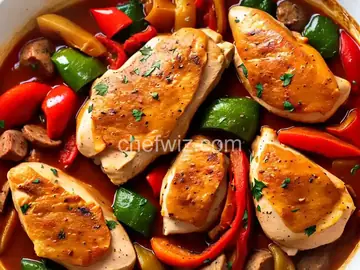
Maftool (Palestinian Wheat Pearls in a Vegetable, Chickpea, and Chicken Stew)
Rate this recipeBe the first to rate
 By AprilPublished
 When it comes to hearty and flavorful dishes, Palestinian cuisine never fails to impress.
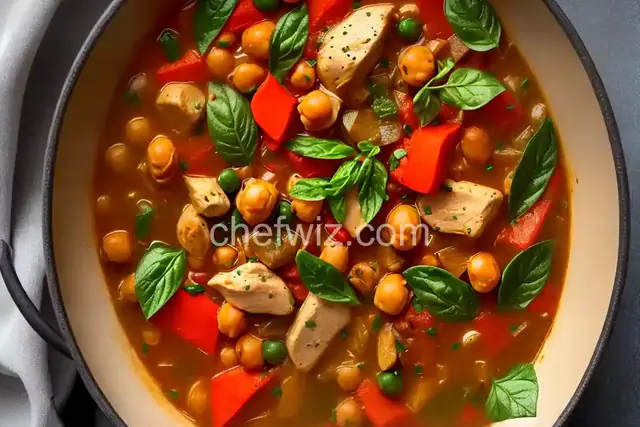 By AprilPublished
 When it comes to hearty and flavorful dishes, Palestinian cuisine never fails to impress.
In a large pot or stockpot, bring water to a boil. Boil the chicken for 2 minutes.
Transfer the chicken to a platter and discard the water. Wash and dry the pot.
Add olive oil to the pot and heat over medium-high heat until it shimmers.
Add the onion, salt, caraway, cumin, allspice, cinnamon, black pepper, tomato paste, and bay leaf to the pot. Stir until the onion starts to soften and the spices become fragrant (around 2 minutes).
Add 2 quarts (1.9L) of water along with the reserved chicken to the pot. Bring to a boil, skimming any foam from the surface.
Lower the heat to maintain a simmer and cook until the chicken is fully cooked but not falling apart (approximately 1 hour).
Carefully remove the chicken and place it skin side up on a rimmed baking sheet.
Strain the stock, discarding any solids.
In a Dutch oven, heat olive oil over medium-high heat until it shimmers.
Add sliced onions and cook until softened and golden brown at the edges, stirring often (around 5 minutes).
Stir in butternut squash and cook, stirring frequently, for 2 minutes.
Add 1 quart (1L) of spiced chicken stock, along with the chickpeas, to the Dutch
When it comes to hearty and flavorful dishes, Palestinian cuisine never fails to impress. And at the heart of many traditional Palestinian recipes lies an ingredient that is as versatile as it is delicious - Maftool. In this article, we will dive into the world of Maftool, exploring its origins, uses, and the delightful dishes it can be found in.
Maftool, also known as Palestinian wheat pearls, is a traditional Palestinian ingredient made from bulgur wheat. The process of making Maftool involves crushing whole wheat grains into small, pearl-like shapes. These tiny wheat pearls are then dried before being used in various dishes.
With their chewy texture and nutty flavor, Maftool pearls add a unique dimension to the dishes they are featured in. They have a delightful ability to soak up flavors, making them a perfect addition to stews, salads, and pilafs.
One of the reasons Maftool has gained popularity is its versatility. Its ability to absorb flavors makes it a great base for a variety of dishes. Whether it's a comforting stew, a refreshing salad, or a flavorful pilaf, Maftool can be the star of the show.
Imagine a warm bowl of vegetable chickpea and chicken stew, with tender chunks of chicken, hearty vegetables, and Maftool pearls that have soaked up all the delicious flavors of the broth. Each spoonful is a burst of comforting goodness, taking your taste buds on a delightful journey.
Or how about a vibrant salad with fresh herbs, juicy tomatoes, crisp cucumbers, and Maftool pearls, all tossed together with a zesty lemon dressing? The combination of textures and flavors creates a refreshing salad that is both satisfying and nourishing.
Maftool is a staple in Palestinian cuisine, and there are several traditional dishes that showcase its versatility and deliciousness.
One such dish is Maftool with Lamb and Vegetables. This hearty stew combines tender pieces of lamb with a medley of vegetables, aromatic spices, and Maftool pearls. The result is a comforting and flavorful dish that is perfect for sharing with family and friends.
Another popular Maftool dish is Maftool with Chicken and Chickpeas. This dish features succulent chicken, creamy chickpeas, and Maftool pearls cooked in a fragrant broth. The combination of ingredients creates a rich and satisfying dish that will leave you craving for more.
Maftool, the Palestinian wheat pearls, is an ingredient that brings a unique flavor and texture to traditional dishes. Its versatility allows it to shine in a variety of recipes, from comforting stews to refreshing salads. So the next time you're looking to add a touch of Palestinian cuisine to your table, don't forget to reach for Maftool and let its delightful pearls take center stage.
Maftool can be found in Middle Eastern grocery stores or online specialty food retailers. It is also sometimes available in larger supermarkets with international food sections.
Maftool is typically cooked by simmering it in a flavorful broth or boiling water until it becomes tender. The cooking time can vary, but it usually takes around 20-30 minutes. It's important to follow the package instructions for precise cooking times and ratios of water to Maftool.
While Maftool has a unique texture and flavor, you can substitute it with other small pasta shapes like couscous or orzo. However, keep in mind that the final result may be slightly different in terms of taste and texture.
No, Maftool is made from bulgur wheat, which contains gluten. If you have a gluten intolerance or allergy, it's best to avoid Maftool and opt for gluten-free alternatives.
Aside from stews and salads, Maftool can also be used in pilafs, stuffed vegetables, and even in desserts. Get creative and experiment with different recipes to discover new and delicious ways to enjoy Maftool.
Absolutely! Maftool can be enjoyed both hot and cold. Cold Maftool salads make for a refreshing and satisfying meal, especially during the hot summer months.
When stored in an airtight container in a cool and dry place, Maftool can last for several months. However, it's always best to check the expiration date on the package for specific storage recommendations.
Yes, there are plenty of vegan Maftool recipes available. You can substitute the meat or chicken in traditional Maftool dishes with plant-based proteins like chickpeas or tofu for a delicious vegan alternative.
AprilCook, recipe developer and the heart of Chefwiz. More about April