Macaroni and Cheddar Cheese
Rate this recipeBe the first to rate
 By AprilPublished
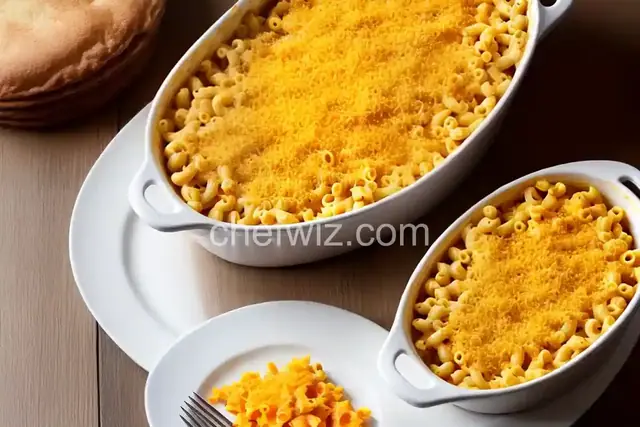
 Macaroni and cheddar cheese, a match made in culinary heaven.
 By AprilPublished
 Macaroni and cheddar cheese, a match made in culinary heaven.
Preheat a medium, deep skillet over medium heat.
Add oil and butter to the skillet.
Once the butter melts into the oil, add flour and mix together.
Cook gently, whisking the flour and butter until the mixture becomes smooth and the flour cooks for about 3 minutes.
Slowly pour in the milk while continuing to whisk.
Gently bring the milk to a simmer while stirring frequently.
Allow the milk to thicken slightly, then add the shredded Cheddar cheese, a handful at a time, stirring continuously.
Season the sauce with nutmeg and cayenne.
Taste and add a little salt, if desired.
Add the cooked pasta to the sauce and mix thoroughly, ensuring the pasta is completely coated with the cheese sauce.
Transfer the mixture to a baking dish that is safe to use under a broiler.
Sprinkle the remaining cheese on top of the pasta.
Place the baking dish under a hot broiler to brown the Cheddar cheese on top.
Macaroni and cheddar cheese, a match made in culinary heaven. Who can resist the creamy, cheesy goodness of this classic comfort food? Whether you're a kid or an adult, mac and cheese always hits the spot. But have you ever wondered about the origins of this beloved dish or how to make the perfect mac and cheese at home? In this article, we'll explore the history, variations, and tips for making the best macaroni and cheddar cheese dish.
Macaroni and cheddar cheese, also known as mac and cheese, has a rich history that dates back centuries. It originated in Italy, where pasta and cheese have long been staples of the cuisine. However, it was the Americans who truly popularized this dish and made it a household favorite.
During the 18th century, Thomas Jefferson, the third President of the United States, fell in love with macaroni while traveling in Europe. He brought back a pasta machine from Italy and introduced macaroni to America. Jefferson is even credited with serving a macaroni and cheese dish at a state dinner in 1802, solidifying its place in American culinary culture.
While the classic macaroni and cheddar cheese dish remains a favorite, there are countless variations to suit different tastes and dietary preferences. From lobster mac and cheese to buffalo chicken mac and cheese, there's a flavor combination for everyone.
For the health-conscious, there are also lighter versions of mac and cheese that incorporate vegetables or use lower-fat cheese. These variations provide a guilt-free way to indulge in this comfort food without sacrificing flavor.
Now that you know a bit about the history and variations of mac and cheese, it's time to learn how to make the perfect dish at home. Here are some tips to elevate your macaroni and cheddar cheese game:
The key to a delicious mac and cheese is using a flavorful cheese. While cheddar is the traditional choice, you can experiment with other cheeses like Gruyère or Fontina to add complexity to your dish.
Make sure to cook the pasta until it's al dente, or slightly firm to the bite. Overcooked pasta can result in a mushy mac and cheese.
To achieve a creamy sauce, start by making a roux with butter and flour. Gradually whisk in milk and cheese until the sauce thickens and becomes smooth.
Seasonings like salt, pepper, and a pinch of nutmeg can elevate the flavors of your mac and cheese. Feel free to experiment with herbs and spices to add your own twist.
For an extra layer of texture, consider adding breadcrumbs or a crispy cheese crust to the top of your mac and cheese before baking.
Macaroni and cheddar cheese is not just a dish; it's a symbol of comfort and nostalgia. Whether you prefer the classic version or enjoy exploring different variations, mac and cheese never fails to satisfy. So go ahead, grab a fork, and indulge in the creamy, cheesy goodness that is macaroni and cheddar cheese.
A1: Absolutely! While macaroni is the traditional choice, you can experiment with other pasta shapes like shells, penne, or fusilli for a unique twist.
A2: Yes, there are dairy-free alternatives available, such as using plant-based milk and vegan cheese. These options can still provide a creamy and satisfying mac and cheese experience.
A3: You can incorporate vegetables like broccoli, spinach, or peas into your mac and cheese for added nutrients. You can also use whole wheat pasta for a higher fiber content.
A4: Absolutely! You can prepare mac and cheese in advance and refrigerate it. When you're ready to serve, simply reheat it in the oven or microwave until it's heated through.
A5: Yes, mac and cheese can be frozen for future enjoyment. Just make sure to store it in an airtight container or freezer-safe bag. When you're ready to eat, thaw it in the fridge overnight and reheat it in the oven.
A6: Absolutely! You can add cooked bacon, diced ham, shredded chicken, or even sautéed shrimp to your mac and cheese for an extra protein boost.
A7: Yes, you can make mac and cheese in a slow cooker. Simply combine the ingredients and cook on low for 2-3 hours, stirring occasionally, until the pasta is cooked and the cheese is melted.
A8: To reheat leftover mac and cheese, place it in a microwave-safe dish and heat it in 30-second intervals, stirring in between, until it's heated through. You can also reheat it in the oven at 350°F (175°C) for about 15-20 minutes.
AprilCook, recipe developer and the heart of Chefwiz. More about April