Lumpia
Rate this recipeBe the first to rate
 By AprilPublished
 Have you ever experienced the joy of biting into a crispy, savory lumpia?
 By AprilPublished
 Have you ever experienced the joy of biting into a crispy, savory lumpia?
Use a food processor to finely chop the garlic.
Add the green onion and yellow onion to the food processor and pulse until they are similar in size to the garlic.
Add the shiitake mushroom caps and water chestnuts to the food processor and pulse until they are also a similar size.
Add the shrimp to the food processor and pulse until they are coarsely ground, similar to hamburger meat.
Add the ground pork, soy sauce, fish sauce, brown sugar, and pepper to the food processor and mix everything thoroughly.
Transfer the mixture to a bowl and cover it with plastic wrap. Place it in the refrigerator for 30 minutes.
Preheat a heavy-bottomed pot with 1 inch of frying oil to a temperature of 350 to 360 degrees F.
Carefully peel one wrapper from the stack and place it on the counter with the square edge facing you.
Spoon about a heaping tablespoon (approximately 1 ounce) of the filling onto the wrapper, about an inch from the edge closest to you and about 1/2 inch from each side.
Brush all of the edges of the wrapper with the egg wash.
Fold the edges of the wrapper in on the sides and then roll the bottom of the wrapper tightly to the top, creating a tight roll. Ensure that the egg wash seals the roll.
Place the lumpia seam-side down on a plate and
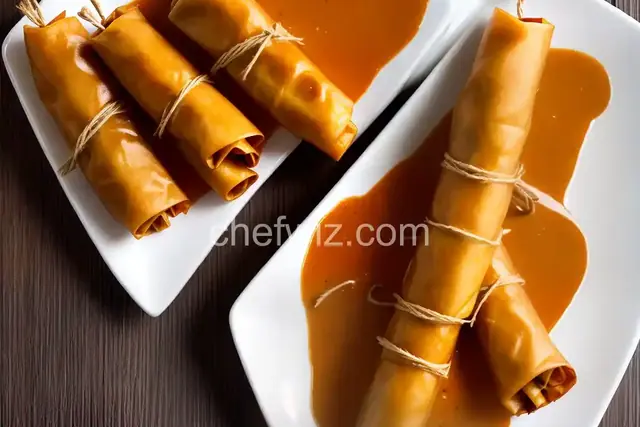
Have you ever experienced the joy of biting into a crispy, savory lumpia? If not, you're missing out on a delightful treat that is loved by many. Originating from the Philippines, lumpia is a versatile dish that can be enjoyed as an appetizer, snack, or even as a main course. In this article, we will dive into the wonderful world of lumpia, exploring its history, variations, and why it deserves a spot on your dining table.
Like many beloved dishes, lumpia has a rich history that dates back centuries. Its roots can be traced back to China, where it is believed to have originated from the traditional spring rolls. As Chinese immigrants settled in the Philippines, they brought along their culinary traditions, including the art of making lumpia.
Over time, lumpia evolved and adapted to the Filipino palate, incorporating local ingredients and flavors. Today, it stands as a testament to the fusion of Chinese and Filipino cuisines, a harmonious blend that delights taste buds around the world.
One of the reasons why lumpia has gained such popularity is its versatility. Whether you prefer it fried or fresh, meat-filled or vegetarian, there is a lumpia variation to suit every palate. The wrapper, made from a mixture of flour and water, provides a light and crispy texture that encases a flavorful filling.
Speaking of fillings, lumpia offers a myriad of options. From the classic pork and vegetable filling to shrimp, chicken, or even sweet versions with banana and jackfruit, the possibilities are endless. Each bite offers a burst of flavors that will leave you craving for more.
There are no rules when it comes to enjoying lumpia. It can be served as an appetizer alongside a tangy dipping sauce, or as a main course accompanied by rice and a side salad. You can even whip up a batch of lumpia for your next gathering or potluck, as it is sure to be a crowd-pleaser.
When it comes to eating lumpia, there is a certain satisfaction in the crunch of the wrapper and the explosion of flavors in each bite. It's a sensory experience that engages your taste buds and leaves you wanting more.
Lumpia is more than just a dish; it's a celebration of flavors and cultures. Its versatility, crispiness, and delicious fillings make it a delightful treat for every occasion. Whether you're a fan of the classic pork lumpia or prefer a vegetarian twist, there is a lumpia variation out there waiting to be savored. So, why not embark on a culinary adventure and experience the joy of lumpia for yourself?
Yes, you can! Lumpia is a great make-ahead dish. After wrapping the lumpia, place them in a single layer on a baking sheet and freeze until firm. Once frozen, transfer them to a freezer bag or airtight container for long-term storage.
Definitely! While the traditional method involves frying lumpia to achieve that crispy texture, you can also bake them in the oven for a healthier alternative. Simply brush the lumpia with oil and bake at a high temperature until golden brown.
Absolutely! Store-bought lumpia wrappers are a convenient option if you don't have the time or resources to make your own. They can be found in the freezer section of most Asian grocery stores and are ready to use.
There are several delicious dipping sauces that pair well with lumpia. Some popular choices include sweet chili sauce, vinegar with garlic and chili, or a combination of soy sauce and calamansi juice.
Yes, you can easily make vegetarian or vegan lumpia by substituting the meat with tofu or a medley of vegetables. The filling options are endless, allowing you to get creative and cater to different dietary preferences.
While lumpia and egg rolls share some similarities, they are not the same. Egg rolls are a Chinese-American dish typically filled with cabbage, pork, and other ingredients. Lumpia, on the other hand, has a thinner and crispier wrapper and can be filled with a wider variety of ingredients.
Absolutely! To reheat leftover lumpia, simply place them on a baking sheet and bake in a preheated oven until heated through. This will help retain the crispiness of the wrapper.
You can find numerous lumpia recipes online, ranging from traditional to modern variations. Websites, food blogs, and even social media platforms are great sources for discovering new and exciting lumpia recipes.
AprilCook, recipe developer and the heart of Chefwiz. More about April