Lucky Pea Soup
Rate this recipeBe the first to rate
 By AprilPublished
 Have you ever wondered why pea soup is often associated with luck?
 By AprilPublished
 Have you ever wondered why pea soup is often associated with luck?
In a skillet, cook the bacon on medium-high heat until it becomes crispy and evenly browned. Place the cooked bacon on paper towels to drain. Once cool, crumble it into small pieces.
In the same skillet, add the peppers and onion. Stir and cook them over medium-high heat until they become transparent and tender, which should take around 5 minutes.
In a large pot, pour in the black beans, tomatoes, and water. Stir in the cooked peppers, onion, salt, cumin, dry mustard, chili powder, curry powder, pepper, and sugar.
Bring the mixture to a boil, then reduce the heat to medium. Cover the pot and let it simmer for 20 to 25 minutes.
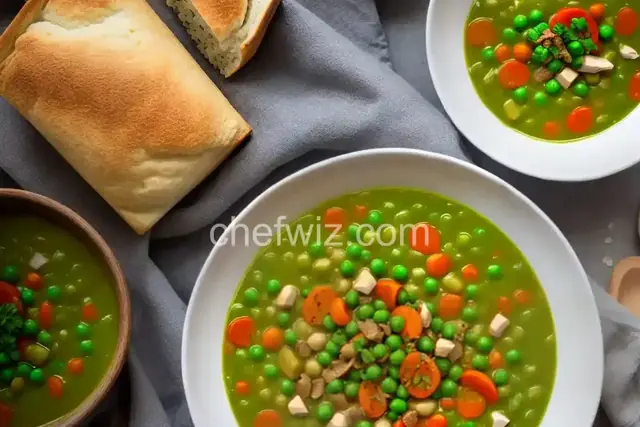
Serve the dish hot, and sprinkle it with the crumbled bacon and any other toppings of your choice.
Have you ever wondered why pea soup is often associated with luck? In this article, we will explore the history and superstitions behind this delicious green soup. Join me as we uncover the mysteries that make pea soup a symbol of good fortune!
Pea soup has been a staple in many cultures for centuries. Its origins can be traced back to ancient civilizations, where peas were considered a valuable crop due to their high nutritional value and long shelf life. As time went on, people began to associate peas with prosperity and good luck.
Throughout history, peas have been associated with various superstitions and beliefs. In some cultures, it was believed that eating peas on New Year's Day would bring good luck and wealth for the rest of the year. The round shape of peas symbolized coins, further reinforcing the association with prosperity.
Green has long been associated with luck and fortune in many cultures. It is the color of nature, growth, and abundance. Pea soup's vibrant green color further enhances its lucky status, making it an ideal dish to serve during festive occasions and celebrations.
Pea soup is enjoyed in various forms across the globe. In Sweden, it is traditionally served on Thursdays and accompanied by pancakes. In the United States, split pea soup is a popular comfort food, especially during the winter months. Each culture has its unique way of preparing and enjoying this lucky dish.
While peas themselves are considered lucky, many recipes for pea soup include additional ingredients believed to bring good fortune. These may include carrots, which symbolize gold, and ham or bacon, which represent abundance and prosperity. By combining these ingredients, you create a powerful concoction of luck!
Preparing pea soup can be a communal experience that brings people together. As the soup simmers on the stove, its aroma fills the air, creating a sense of warmth and comfort. Sharing a bowl of pea soup with loved ones not only nourishes the body but also fosters a sense of togetherness and shared luck.
Pea soup has a rich history filled with superstitions and beliefs. Whether you enjoy it for its taste, nutritional value, or lucky properties, there's no denying that pea soup is a dish that brings joy and good fortune to many. So, the next time you savor a bowl of this delicious green soup, remember that you're not just nourishing your body, but also inviting luck into your life!
While luck is subjective, pea soup has long been associated with good fortune in many cultures.
Some popular variations include split pea soup, pea and ham soup, and vegetarian pea soup.
Yes, pea soup can be frozen for future consumption. Just make sure to store it properly in an airtight container.
Pea soup is a good source of dietary fiber, protein, and vitamins. It can promote digestive health and provide a feeling of fullness.
Absolutely! There are many delicious vegetarian pea soup recipes available that are equally flavorful and nutritious.
The cooking time for pea soup can vary depending on the recipe and desired consistency. On average, it takes around 1 to 2 hours to cook.
Yes, you can customize your pea soup by adding vegetables such as carrots, potatoes, or celery for added flavor and texture.
Pea soup is often served with crusty bread or croutons on top for added crunch. You can also garnish it with fresh herbs like parsley or thyme.
AprilCook, recipe developer and the heart of Chefwiz. More about April