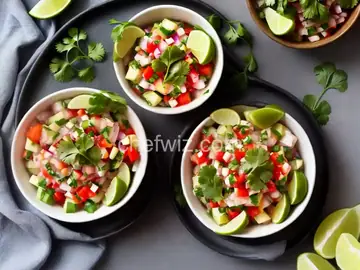
Low-Carb Jicama Tostadas
Rate this recipeBe the first to rate
 By AprilPublished
 Are you tired of the same old high-carb snacks? Looking for a healthier alternative that won't compromise on taste?
 By AprilPublished
 Are you tired of the same old high-carb snacks? Looking for a healthier alternative that won't compromise on taste?
Rinse the jicama well under cold water and use a vegetable brush to remove any dirt.
Cut off the ends of the jicama and use a vegetable peeler to remove the skin and tough flesh.
Use a mandoline with a 1/10-inch blade to slice the jicama.
Are you tired of the same old high-carb snacks? Looking for a healthier alternative that won't compromise on taste? Well, look no further! These low-carb jicama tostadas are not only delicious but also packed with nutrients. So, let's dive in and explore the wonders of this unique vegetable and how to turn it into a scrumptious snack!
Jicama, also known as Mexican turnip or yam bean, is a root vegetable that originates from Mexico. Its appearance is similar to a turnip, but its taste and texture are more akin to that of an apple or water chestnut. With its crisp and juicy flesh, jicama adds a refreshing element to any dish.
Jicama is an excellent choice for low-carb tostadas due to its low glycemic index and high fiber content. It is a great alternative to traditional tortillas, which are often loaded with carbs. By using jicama slices as the base for your tostadas, you can enjoy all the flavors and textures of a classic tostada while keeping your carb intake in check.
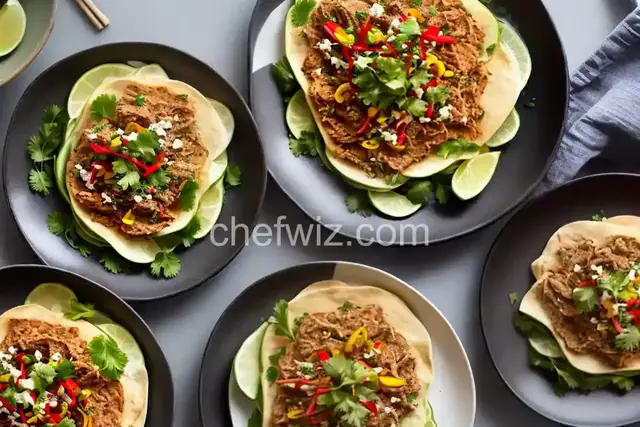
Making low-carb jicama tostadas is a breeze! Start by peeling the jicama and slicing it into thin rounds. Then, place the jicama slices on a baking sheet and bake them in the oven until they become slightly crispy. Once ready, top each jicama slice with your favorite toppings, such as grilled chicken, avocado, salsa, and a sprinkle of cheese. Voila! Your low-carb jicama tostadas are ready to be devoured.
Not only are low-carb jicama tostadas a delicious snack option, but they also come with a range of health benefits. The high fiber content in jicama promotes healthy digestion and helps keep you feeling full for longer. Additionally, jicama is a good source of vitamin C and antioxidants, which are essential for a strong immune system and overall well-being.
One of the best things about jicama tostadas is the endless possibilities when it comes to flavors and toppings. You can get creative and try different combinations to suit your taste buds. Whether you prefer a spicy kick with jalapenos and hot sauce or a refreshing twist with mango and lime, there's a jicama tostada variation for everyone.
Low-carb jicama tostadas are a fantastic way to satisfy your cravings for a crunchy and flavorful snack while keeping your carb intake in check. With their versatility and health benefits, they are a win-win for taste and nutrition. So, why not give them a try and discover a new favorite snack?
Yes, you can prepare the jicama slices in advance and store them in an airtight container in the refrigerator. Just make sure to add the toppings right before serving for maximum freshness.
While jicama provides a unique texture and flavor, you can experiment with other vegetables like cucumber or zucchini as a substitute for the tostada base.
Absolutely! Jicama tostadas can easily be customized to suit a vegan diet by using plant-based toppings such as beans, tofu, and vegan cheese.
Yes, jicama tostadas are naturally gluten-free as they do not contain any wheat or gluten-containing ingredients. However, always double-check the toppings you use to ensure they are also gluten-free.
Absolutely! Feel free to add your favorite protein, such as grilled chicken, shrimp, or beef, to amp up the flavor and make your jicama tostadas more filling.
Jicama tostadas are best enjoyed immediately after assembling to maintain their crispiness. If left for too long, the moisture from the toppings may soften the jicama slices.
Absolutely! Jicama tostadas make a fantastic appetizer for parties or gatherings. Just make sure to provide a variety of toppings to cater to different preferences.
Jicama can be found in most grocery stores, usually in the produce section. Look for a large, round root vegetable with a brown, papery skin.
AprilCook, recipe developer and the heart of Chefwiz. More about April