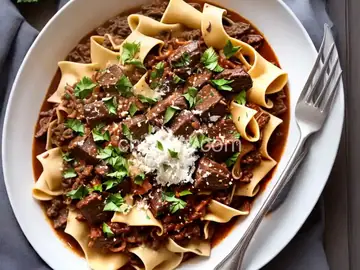
Low-Cal Fettuccine Alfredo
Rate this recipeBe the first to rate
 By AprilPublished
 Who doesn't love a creamy and indulgent plate of Fettuccine Alfredo?
 By AprilPublished
 Who doesn't love a creamy and indulgent plate of Fettuccine Alfredo?
To make the sauce, heat the butter in a skillet over medium heat. Add the garlic and lemon zest and cook until the garlic is slightly soft, about 1 minute. Then, add the flour and cook, stirring with a wooden spoon, for 1 minute. Next, whisk in the milk and 3/4 teaspoon of salt and continue cooking, whisking constantly, until the sauce thickens, which should take around 3 minutes. Add in the Neufchâtel and parmesan cheese, whisking until melted, approximately 1 minute. Finally, stir in the chopped parsley.
In the meantime, bring a large pot of salted water to a boil. Cook the fettuccine until it is al dente, which typically takes 2 to 3 minutes. Before draining the pasta, reserve 1 cup of the cooking water. Once drained, return the pasta to the pot and add the sauce and 1/2 cup of the reserved cooking water. Gently toss to combine, adding more cooking water as needed to loosen the sauce. Season with salt. Divide the pasta among bowls and top with parmesan and pepper.
Who doesn't love a creamy and indulgent plate of Fettuccine Alfredo? However, for those who are watching their calorie intake, this classic dish can often be off-limits. But fear not! With a few simple tweaks, you can enjoy a guilt-free version of this beloved pasta dish. In this article, we will explore how to make a low-calorie Fettuccine Alfredo that doesn't compromise on flavor.
One of the key ingredients in our low-calorie Fettuccine Alfredo is cauliflower. Yes, you read that right! Cauliflower is a versatile vegetable that can be transformed into a creamy sauce that mimics the richness of traditional Alfredo sauce. By pureeing cooked cauliflower with a few other ingredients, you get a velvety-smooth sauce that is low in calories and high in nutrition.
Cauliflower is not only low in calories but also packed with vitamins, minerals, and fiber. It's a great source of vitamin C, vitamin K, and folate. By incorporating cauliflower into your Fettuccine Alfredo, you not only reduce the calorie content but also boost the nutritional value of your dish. It's a win-win!
Aside from cauliflower, there are a few other tricks to lighten up the sauce without sacrificing flavor. Instead of using heavy cream, opt for low-fat milk or unsweetened almond milk. You can also use a small amount of reduced-fat cream cheese to give the sauce a creamy texture.
While traditional Alfredo sauce calls for a generous amount of Parmesan cheese, you can still get that cheesy goodness without going overboard on calories. Use a smaller amount of high-quality Parmesan cheese and boost the flavor with herbs and spices. A little goes a long way!
When it comes to pasta, opt for whole wheat or whole grain varieties. These types of pasta are higher in fiber and have a lower glycemic index, which means they won't cause a rapid spike in blood sugar levels. Plus, the nutty flavor of whole wheat pasta pairs perfectly with the creamy cauliflower sauce.
While our low-calorie Fettuccine Alfredo may be healthier than the classic version, portion control is still important. Even though the sauce is lighter, it's still easy to overindulge. Be mindful of your serving size and pair your pasta with a side of vegetables or a fresh salad for a well-rounded meal.
With a few simple swaps and adjustments, you can enjoy a delicious and low-calorie version of Fettuccine Alfredo. The cauliflower sauce provides a creamy base, while the use of low-fat milk and reduced-fat cream cheese keeps the calorie count in check. Remember to choose whole wheat pasta and practice portion control for a balanced and satisfying meal. Now you can indulge in this classic dish without the guilt!
Yes, frozen cauliflower works just as well as fresh cauliflower for making the sauce. Just make sure to thaw it before cooking.
Absolutely! You can use plant-based milk, such as almond or soy milk, and skip the cream cheese. You can also use nutritional yeast instead of Parmesan cheese for a cheesy flavor.
Definitely! You can experiment with adding roasted garlic, sautéed spinach, or steamed broccoli to the cauliflower sauce for added flavor and nutrition.
The sauce can be stored in an airtight container in the fridge for up to 3-4 days. Just reheat it gently on the stovetop before tossing with pasta.
Yes, you can freeze the sauce for up to 2 months. Just thaw it in the fridge overnight before reheating.
Absolutely! The cauliflower sauce can be used as a healthier alternative in other pasta recipes, such as mac and cheese or creamy garlic pasta.
Yes, you can use regular milk if you prefer. However, using low-fat milk helps keep the calorie count lower.
Definitely! Grilled chicken or shrimp can be a delicious addition to the low-calorie Fettuccine Alfredo. Just make sure to cook them separately before adding them to the pasta.
AprilCook, recipe developer and the heart of Chefwiz. More about April