Low and Slow Prime Rib
Rate this recipeBe the first to rate
 By AprilPublished
 Are you looking to impress your guests with a showstopping main course?
 By AprilPublished
 Are you looking to impress your guests with a showstopping main course?
Collect all the necessary ingredients.
Place the beef on a baking pan and rub it with salt. Put the meat on a rack or crumpled foil to allow air circulation underneath, then refrigerate for 24 to 48 hours.
Take the beef out of the refrigerator and let it sit at room temperature for a few hours (if desired).
Preheat the oven to 300 degrees F (150 degrees C). Place the roast in a roasting pan, preferably on a rack.
In a small bowl, combine butter, coarse salt, pepper, and cayenne. Spread this mixture on the sides and top of the roast. Sprinkle additional salt on top. Pour some water into the bottom of the pan.
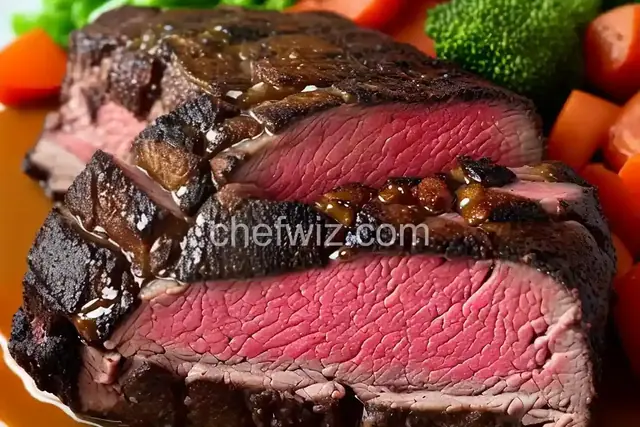
Roast the beef in the preheated oven until the internal temperature reaches 115 to 120 degrees F (46 to 48 degrees C). This should take about 1 hour and 20 minutes (approximately 20 minutes per pound). Once cooked, remove from the oven, cover with foil, and let it rest for at least 20 minutes before serving.
The pan drippings can be deglazed with broth or water and served alongside the meat.
Are you looking to impress your guests with a showstopping main course? Look no further than a deliciously cooked prime rib. This tender and juicy cut of beef is perfect for special occasions or a Sunday family dinner. In this article, we will explore the technique of cooking prime rib low and slow to achieve the perfect melt-in-your-mouth texture. So, let's dive in and uncover the secrets of low and slow prime rib!
Low and slow cooking refers to the method of cooking food at a low temperature for an extended period. This technique is commonly used for tough cuts of meat, like prime rib, to break down the connective tissues and render the fat, resulting in a tender and flavorful dish.
Prime rib is a prime (pun intended) choice for low and slow cooking due to its marbling and tenderness. The marbling, or fat content, in prime rib adds flavor and helps keep the meat moist during the long cooking process. The result is a succulent and mouthwatering piece of beef that will have your taste buds dancing with joy.
Now that we understand the basics, let's dive into the low and slow cooking process for prime rib. The first step is to season the meat generously with salt, pepper, and any other desired spices. This will create a flavorful crust as the meat cooks.
Next, preheat your oven to a low temperature, around 250°F (120°C). Slow cooking requires patience, but the end result is worth it. Place the seasoned prime rib on a rack in a roasting pan and insert a meat thermometer into the thickest part of the meat.
Now comes the waiting game. Calculate the cooking time based on the weight of your prime rib, allowing approximately 15-20 minutes per pound for medium-rare doneness. Remember, patience is key here.
Once your prime rib reaches the desired internal temperature, typically around 135°F (57°C) for medium-rare, remove it from the oven and let it rest. Resting allows the juices to redistribute throughout the meat, ensuring a juicy and tender final result.
Low and slow prime rib is a culinary masterpiece that will impress your guests and leave them asking for seconds. The tender and juicy meat, with its flavorful crust, is a true delight for the senses. So, next time you have a special occasion or simply want to treat yourself, give low and slow prime rib a try. Your taste buds will thank you!
While prime rib is the ultimate choice for low and slow cooking, you can also use other cuts such as chuck roast or brisket. Just keep in mind that the cooking times may vary.
For a medium-rare prime rib, aim for an internal temperature of around 135°F (57°C). Adjust the cooking time if you prefer a different level of doneness.
Absolutely! If you prefer the smoky flavor of grilled meat, you can cook your prime rib on a grill. Just make sure to monitor the temperature and follow the same low and slow cooking principles.
To achieve a crispy crust, you can sear the prime rib before slow cooking it. Heat a skillet with oil over high heat and sear the meat on all sides until a golden brown crust forms. Then transfer it to the oven for the low and slow cooking process.
While a slow cooker can be convenient for many dishes, it is not recommended for prime rib. The slow cooker doesn't allow for the same level of browning and caramelization that you get from a traditional oven.
To carve the prime rib, use a sharp carving knife and slice against the grain for maximum tenderness. Serve the prime rib with your favorite sides, such as creamy mashed potatoes and roasted vegetables.
Yes, you can freeze any leftover prime rib. Slice it into portions, wrap tightly in plastic wrap or foil, and place in a freezer-safe container. When ready to enjoy, simply thaw and reheat in the oven.
Absolutely! The drippings from the prime rib can be used to make a delicious gravy. Just strain the drippings, remove excess fat, and whisk in some flour or cornstarch to thicken. Season with salt, pepper, and any desired herbs or spices.
AprilCook, recipe developer and the heart of Chefwiz. More about April