Loukoumades
Rate this recipeBe the first to rate
 By AprilPublished
 Have you ever tasted a bite-sized piece of heaven? If not, then you must try Loukoumades, the irresistible Greek delight that will leave you craving for more.
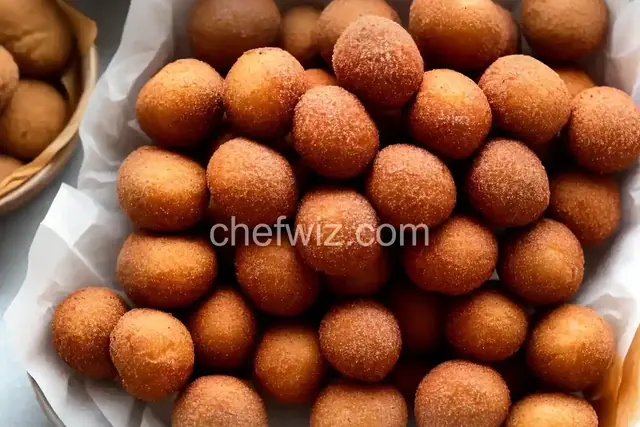 By AprilPublished
 Have you ever tasted a bite-sized piece of heaven? If not, then you must try Loukoumades, the irresistible Greek delight that will leave you craving for more.
Sprinkle yeast over 1 cup of warm water in a small bowl. Allow the yeast to soften and form a creamy foam for about 5 minutes.
In a large bowl, mix together warm milk, sugar, and salt until the sugar and salt are dissolved. Pour in the yeast mixture and stir to combine.
Beat in flour, eggs, and butter until the mixture forms a smooth and soft dough.
Cover the bowl and let the dough rise at room temperature until it doubles in volume, approximately 30 minutes.
Stir the dough well, cover it again, and let it rise for an additional 30 minutes.
In the meantime, prepare the honey syrup by mixing honey and 1/2 cup of water in a small saucepan. Bring the mixture to a boil over medium-high heat, then turn off the heat and allow the honey syrup to cool.
Heat 2 inches of oil in a deep fryer or large saucepan to 350 degrees F (175 degrees C).
Place a large serving or soup spoon in a glass of water near the dough. Use the wet spoon to scoop up about 2 tablespoons of dough per puff, then drop it into the wet palm of your hand and roll it back into the spoon to create a round shape. Avoid excessive handling of the soft dough.
Drop the dough balls into the hot oil in batches, wetting the spoon each time you make a dough ball
Have you ever tasted a bite-sized piece of heaven? If not, then you must try Loukoumades, the irresistible Greek delight that will leave you craving for more. These golden, crispy dough balls, soaked in sweet syrup and sprinkled with cinnamon, are simply divine. In this article, we will explore the origins of Loukoumades, its unique preparation, and why it has become a beloved treat all around the world.
Like many ancient recipes, the exact origins of Loukoumades are shrouded in mystery. Some believe that they were first created in ancient Greece, dating back to the time of Alexander the Great. Others claim that the recipe was brought to Greece by the Ottoman Turks during their rule. Regardless of its origin, one thing is certain - Loukoumades have stood the test of time and continue to delight people of all ages.
Preparing Loukoumades is an art that requires precision and skill. The dough, made from a simple combination of flour, yeast, water, and a pinch of salt, is carefully mixed until it reaches the perfect consistency. It is then left to rise, allowing the yeast to work its magic and create the airy texture that Loukoumades are known for.
Once the dough has risen, it is time to fry. The dough is scooped into small portions and dropped into hot oil, where it transforms into golden balls of deliciousness. The secret to achieving the perfect Loukoumades lies in the frying process - the balls must be fried until they are crispy on the outside while remaining soft and fluffy on the inside.
What sets Loukoumades apart from other fried dough treats is the syrup. After the balls are fried to perfection, they are immediately dunked into a warm honey syrup, infused with orange zest and a touch of lemon juice. As the syrup seeps into the dough, it adds a burst of sweetness that is hard to resist.
But the indulgence doesn't stop there. Loukoumades are traditionally sprinkled with a generous amount of ground cinnamon, adding a warm and aromatic flavor to the already heavenly treat. The combination of the sweet syrup and the fragrant cinnamon creates a symphony of flavors that will leave your taste buds dancing with joy.
While Loukoumades originated in Greece, they have gained popularity around the world. In different countries, you may find variations of this delightful treat. In Cyprus, for example, Loukoumades are often served with a drizzle of local carob syrup. In Lebanon, they are known as "awamat" and are sometimes filled with a delicious nut mixture.
Whether you enjoy them in their traditional form or with a modern twist, one thing remains constant - Loukoumades are a beloved treat that brings people together. They are often enjoyed during festive occasions, such as weddings and religious celebrations, where they symbolize joy and abundance.
Loukoumades, the irresistible Greek delight, have captured the hearts and taste buds of people all around the world. With their golden, crispy exterior, sweet syrup, and fragrant cinnamon, they offer a sensory experience like no other. So, the next time you have a chance to savor these bite-sized pieces of heaven, don't hesitate. Indulge in the magic of Loukoumades and let your taste buds embark on an unforgettable journey.
Loukoumades are bite-sized dough balls, fried until golden and crispy, and soaked in sweet syrup.
Yes, Loukoumades are a traditional Greek dessert that has been enjoyed for centuries.
Absolutely! With the right ingredients and a little practice, you can make delicious Loukoumades in your own kitchen.
Loukoumades have a crispy exterior and a soft, fluffy interior, creating a delightful contrast of textures.
While Loukoumades are traditionally sprinkled with cinnamon, you can also experiment with other toppings like nuts or chocolate.
No, Loukoumades are made from flour and are not suitable for those following a gluten-free diet.
Loukoumades are often enjoyed during festive occasions, such as weddings, baptisms, and religious celebrations.
While it is possible to freeze Loukoumades, they are best enjoyed fresh and hot, right out of the fryer.
AprilCook, recipe developer and the heart of Chefwiz. More about April