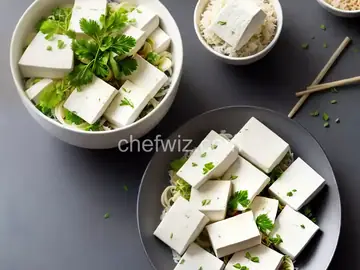
Lotus Root Recipe
Rate this recipeBe the first to rate
 By AprilPublished
 Have you ever tried lotus root? If not, you're missing out on a unique and delicious ingredient that can elevate your culinary adventures.
 By AprilPublished
 Have you ever tried lotus root? If not, you're missing out on a unique and delicious ingredient that can elevate your culinary adventures.
Peel the lotus root and rinse it under cold water.
Slice the lotus root into 1/4-inch rounds.
Rinse the slices again and place them in a bowl of cold water with a splash of vinegar to prevent discoloration.
For the sauce:
Combine all the sauce ingredients in a small bowl and set it aside.
To stir-fry:
Add the sauce to a wok and stir-fry for thirty seconds, allowing the vegetables to absorb about half of the liquid.
Reduce the heat to medium-low.
Add the cornstarch slurry to the wok, mixing constantly to prevent clumping.
Let the sauce thicken for approximately 20 seconds.
Plate and serve immediately.
To prepare the lotus root soup:
Bring the dashi to a simmer in a soup pot.
Add the daikon and lotus root to the pot and simmer for 15 to 20 minutes, or until both are tender.
To finish the soup:
Add the miso paste to the pot and press it against the pot to evenly distribute it.
Simmer for another 2 minutes, tasting for saltiness.
Add more paste if needed.
Garnish with wakame seaweed and thinly sliced green onions.
5.
Have you ever tried lotus root? If not, you're missing out on a unique and delicious ingredient that can elevate your culinary adventures. With its crisp texture and subtle flavor, lotus root is a versatile vegetable that can be used in various recipes. In this article, we will explore the wonders of lotus root and share some creative ideas on how to incorporate it into your cooking.
Just like the delicate petals of a lotus flower, lotus root has its own beauty hidden beneath the water's surface. Its long, tubular shape resembles a chain of interconnected chambers, which not only adds visual appeal to your dishes but also provides a satisfying crunch when bitten into. This vegetable is packed with nutrients, including fiber, vitamin C, and various minerals, making it a healthy addition to any meal.
One of the best things about lotus root is its versatility in cooking. Whether you're stir-frying, boiling, or even pickling, lotus root can hold its shape and texture, adding a delightful crunch to your dishes. Its neutral taste allows it to absorb the flavors of the ingredients it's cooked with, making it a perfect ingredient for both savory and sweet recipes.
If you're looking for a quick and healthy side dish, try stir-frying lotus root with a medley of colorful vegetables. The combination of the crisp lotus root, tender veggies, and fragrant seasonings creates a harmonious blend of flavors and textures that will leave your taste buds craving for more.
On a chilly day, nothing beats a comforting bowl of lotus root soup. Simmered with nourishing ingredients such as pork ribs, goji berries, and dried dates, this soup not only warms your body but also nourishes your soul. The natural sweetness of the lotus root balances the savory flavors, creating a well-rounded and satisfying meal.
Lotus root holds a special place in many Asian cuisines. From the crispy lotus root chips of Japan to the tangy lotus root salad of Korea, each culture has its own unique way of preparing this versatile vegetable. By exploring these cultural delights, you can expand your culinary horizons and experience the diverse flavors of the world.
Lotus root is a hidden gem that deserves a spot in your kitchen. Its crisp texture, neutral taste, and versatility in cooking make it a delightful ingredient to experiment with. So why not give lotus root a try and embark on a culinary adventure that will tantalize your taste buds? Whether you stir-fry it with veggies or simmer it in a comforting soup, lotus root is sure to add a touch of magic to your meals.
A1: Lotus root can be found in most Asian grocery stores or specialized markets.
A2: Look for lotus root that is firm, unblemished, and has a smooth surface.
A3: While lotus root can be eaten raw, it is often cooked to enhance its flavor and texture.
A4: Apart from stir-frying and making soup, you can also deep-fry lotus root chips or pickle them for a tangy snack.
A5: Yes, lotus root is rich in fiber, vitamin C, and minerals, which can contribute to a healthy diet.
A6: Yes, you can freeze lotus root, but it may affect its texture slightly. It is best to use fresh lotus root whenever possible.
A7: If you can't find lotus root, you can try using water chestnuts or jicama as a substitute for a similar texture.
A8: Absolutely! Lotus root can be used in sweet desserts, such as lotus root mooncakes or lotus root paste buns.
AprilCook, recipe developer and the heart of Chefwiz. More about April