Langoustine and Angel Hair
Rate this recipeBe the first to rate
 By AprilPublished
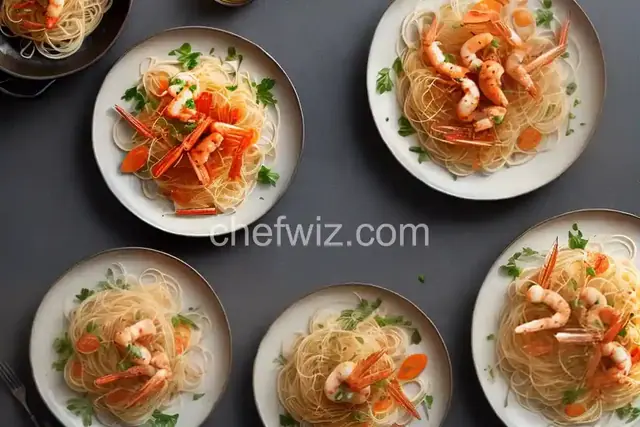
 When it comes to culinary delights, few things can compare to the exquisite combination of langoustine and angel hair pasta.
 By AprilPublished
 When it comes to culinary delights, few things can compare to the exquisite combination of langoustine and angel hair pasta.
Cook the pasta in a large pot of salted water until it is just al dente.
Drain the pasta and return it to the pot. Cover it to keep it warm.
Heat the oil in a large saute pan over medium-high heat.
Add the pancetta to the pan and cook it until it becomes golden brown, which should take around 3 to 4 minutes.
To the oil in the pan, add the onions and cook them while stirring for about 2 minutes.
Stir in the garlic and cook it for 30 seconds.
Add the wine, 3/4 teaspoon of salt, red pepper, lemon juice, and langoustines to the pan.
Cook the mixture while stirring until the shellfish turn pink and are fully cooked, which should take about 5 minutes.
Add the parsley and stir everything together.
Combine the cooked pasta with the shellfish mixture and toss well to mix.
Cook for another minute until the pasta is heated through.
Remove the pan from the heat and add the lemon zest.
Adjust the seasoning to taste.
Sprinkle with Parmesan cheese.
Spoon the pasta into individual bowls or large plates.
Serve immediately.
When it comes to culinary delights, few things can compare to the exquisite combination of langoustine and angel hair pasta. These two ingredients, when brought together, create a symphony of flavors and textures that will leave your taste buds dancing. In this article, we will explore the magic behind this pairing and discover why it has become a favorite among food enthusiasts around the world.
Langoustine, also known as the Norway lobster, is a crustacean that closely resembles a small lobster. Its tender flesh and sweet flavor make it a sought-after ingredient in the culinary world. Whether grilled, sautéed, or steamed, langoustine adds a touch of luxury to any dish.
Imagine sinking your teeth into succulent langoustine meat, the delicate flavors exploding in your mouth like fireworks on a summer night. Its firm yet tender texture, reminiscent of a perfectly cooked scallop, is a true testament to the wonders of the sea.
On the other side of this culinary equation, we have angel hair pasta. As its name suggests, this pasta is incredibly delicate and thin, resembling fine strands of angelic hair. Its slender form allows it to effortlessly soak up the flavors of any accompanying sauce or ingredients.
Picture a plate of perfectly cooked angel hair pasta, glistening with a light coating of olive oil and garlic. Each strand, like a delicate thread, embraces the flavors of the dish, creating a harmonious balance between the pasta and its accompaniments. The ethereal elegance of angel hair pasta is a true testament to the artistry of Italian cuisine.
Now, let's explore why langoustine and angel hair pasta are truly a match made in culinary heaven. Just like a well-matched couple, these two ingredients bring out the best in each other.
Langoustine's delicate sweetness complements the lightness of the angel hair pasta, while the pasta's fine texture allows the langoustine to shine. Each bite is a symphony of flavors and textures, with the langoustine imparting its natural sweetness to the pasta, and the pasta providing a delicate base for the langoustine's flavors to come to life.
It's like a beautiful dance between two partners, each playing their part to create a masterpiece. The langoustine leads with its tender and flavorsome flesh, while the angel hair pasta gracefully follows, providing the perfect backdrop for the star of the show.
You can find langoustine in seafood markets or specialty grocery stores. It is often available fresh or frozen, depending on your location.
Langoustine can be cooked in a variety of ways, such as grilling, sautéing, or steaming. It is best to keep the cooking time short to preserve its delicate texture and flavor.
While lobster can be a substitute for langoustine, the flavors and textures may differ. Langoustine has a sweeter taste and a more delicate texture compared to lobster.
Light, citrus-based sauces, such as lemon butter or white wine sauce, complement the flavors of langoustine and angel hair pasta. The acidity of the sauce helps balance the richness of the dish.
While angel hair pasta is the traditional choice for this pairing, you can experiment with other types of pasta. However, keep in mind that the delicate nature of angel hair pasta allows it to harmonize best with the flavors of langoustine.
Langoustine is considered a sustainable seafood choice, as it is abundant in many fishing areas. However, it is always important to check the source and choose responsibly sourced seafood.
Yes, langoustine can be frozen. However, it is best to freeze it as soon as possible after purchasing to maintain its quality. Thawing should be done slowly in the refrigerator.
Yes, langoustine is known by different names in various regions. It is sometimes referred to as scampi or Dublin Bay prawn.
In conclusion, the pairing of langoustine and angel hair pasta is a delightful culinary experience. The langoustine's delicate sweetness and the angel hair pasta's ethereal elegance create a harmonious symphony of flavors and textures. So, why not treat yourself to this heavenly combination and indulge in a truly memorable dining experience?
AprilCook, recipe developer and the heart of Chefwiz. More about April