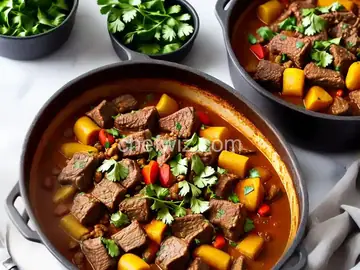
Lamb Curry
Rate this recipeBe the first to rate
 By AprilPublished
 Are you craving a taste adventure that will transport your taste buds to exotic destinations?
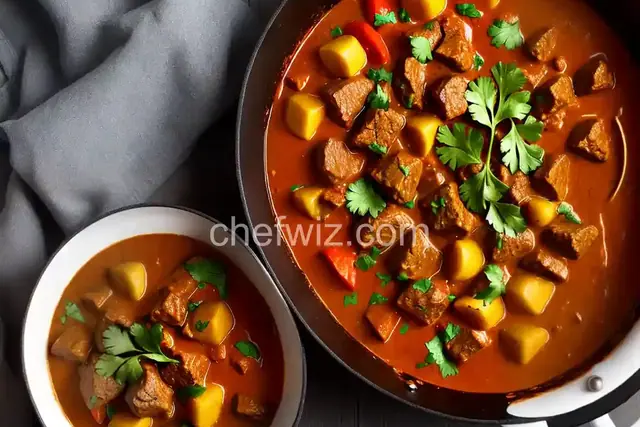 By AprilPublished
 Are you craving a taste adventure that will transport your taste buds to exotic destinations?
Place lamb in a large bowl and add coriander, cumin, paprika, salt, cayenne, turmeric, ginger, and garlic. Mix to coat the lamb evenly.
Cover the bowl and refrigerate for 30 minutes or up to 8 hours.
Heat oil in a large pan or Dutch oven over medium-high heat until it shimmers.
Add the onion and cook for about 2 minutes until it starts to soften.
Add the lamb to the pan and brown it on all sides, which should take about 5 minutes.
Stir in the tomato sauce and water, and use a spatula to scrape the pan and loosen any stuck-on bits.
Bring the mixture to a boil and then reduce the heat to medium-low.
Cover the pan and simmer for approximately 45 minutes until the lamb is tender when pierced with a fork.
Sprinkle cilantro on top before serving.
Serve the dish with basmati rice and naan, if available.
Are you craving a taste adventure that will transport your taste buds to exotic destinations? Look no further than lamb curry, a dish that combines succulent lamb with a harmonious blend of spices and flavors. In this article, we will delve into the world of lamb curry, exploring its origins, highlighting its health benefits, and providing tips on how to make the perfect lamb curry at home.
Lamb curry traces its roots back to the vibrant and diverse culinary traditions of South Asia. This aromatic dish has evolved over centuries, influenced by the trade routes and cultural exchanges between different regions. From India to Pakistan, Bangladesh to Sri Lanka, each country has its own unique take on lamb curry, with variations in spice blends, cooking techniques, and accompanying ingredients.
Not only is lamb curry a delectable culinary experience, but it also offers a range of health benefits. Lamb is a rich source of protein, essential vitamins, and minerals. It contains high-quality amino acids that aid in muscle repair and growth. Additionally, the spices used in lamb curry, such as turmeric, cumin, and coriander, boast antioxidant and anti-inflammatory properties, promoting overall well-being.
Creating a mouthwatering lamb curry requires careful attention to detail. Here are some tips to help you achieve curry perfection:
Lamb curry is a culinary journey that delights the senses and transports you to far-off lands. From its rich history to its tantalizing flavors, this dish offers a truly indulgent experience. Whether you're a beginner or an experienced cook, making lamb curry at home is a rewarding endeavor that will impress your family and friends. So, gather your spices, fire up the stove, and embark on a flavor-packed adventure with lamb curry!
While lamb is traditionally used in lamb curry, you can certainly experiment with other meats like chicken, beef, or even vegetables for a vegetarian option. The choice is yours!
The level of spiciness in lamb curry can vary depending on the recipe and your personal preference. If you enjoy a milder flavor, you can reduce the amount of chili powder or use a mild curry powder. Alternatively, if you love the heat, feel free to add extra spices to amp up the spiciness.
Absolutely! In fact, many people believe that the flavors of lamb curry deepen and intensify when it is made ahead of time. Simply store it in the refrigerator and reheat it gently before serving.
Lamb curry pairs beautifully with a variety of accompaniments. Some popular options include fragrant basmati rice, fluffy naan bread, cooling raita, or refreshing cucumber salad. The choice of side dish can complement and balance the flavors of the curry.
Yes, you can freeze leftover lamb curry for future enjoyment. Allow it to cool completely, then transfer it to airtight containers or freezer bags. When you're ready to enjoy it, simply thaw and reheat it gently on the stovetop.
Absolutely! If you prefer a vegetarian option, you can substitute the lamb with vegetables like potatoes, cauliflower, or chickpeas. The spices and flavors will still create a delicious and satisfying curry experience.
Of course! The beauty of cooking is that you can always tailor the spices to your liking. Feel free to adjust the spice levels, add extra herbs, or experiment with different flavor combinations until you find your perfect balance.
If you have any leftovers, store them in an airtight container in the refrigerator. Lamb curry can be enjoyed for up to 3-4 days when properly stored. Simply reheat it gently on the stovetop before serving.
AprilCook, recipe developer and the heart of Chefwiz. More about April