Korean Yaki Mandu
Rate this recipeBe the first to rate
 By AprilPublished
 Who doesn't love dumplings? These little pockets of joy are found in various cuisines around the world, each with its own unique twist.
 By AprilPublished
 Who doesn't love dumplings? These little pockets of joy are found in various cuisines around the world, each with its own unique twist.
Prepare a fryer or heat 2-inches of oil in a heavy-bottomed saucepan. Attach a high-heat thermometer and heat the oil to 360 degrees F.
To make the filling: Use cheesecloth to remove excess water from the tofu by squeezing tightly with your hands. Alternatively, place the tofu in a colander lined with damp paper towels and press down with a heavy bowl or pot to remove moisture.
Transfer the tofu to a mixing bowl and add the remaining filling ingredients. Mix well with your hands.
Fill a small bowl with water. Take a dumpling wrapper and place 1 to 2 teaspoons of filling in the center.
Wet the outer edge of the wrapper and fold it in half to create a half-circle shape. Pinch the dough together to seal, making sure to push out any air pockets. Repeat this process until all the dumplings are assembled.
In batches, deep-fry the dumplings until they turn golden, approximately 3 minutes. Stir occasionally to ensure even cooking.
Remove the fried dumplings from the oil and place them on paper towels to drain excess oil.
Transfer the dumplings to a serving platter or bowl.
Whisk all the ingredients for the dipping sauce together in a separate serving bowl until well combined.
Serve the dumplings with the dipping sauce.
This recipe yields approximately 1/3 cup of sauce.
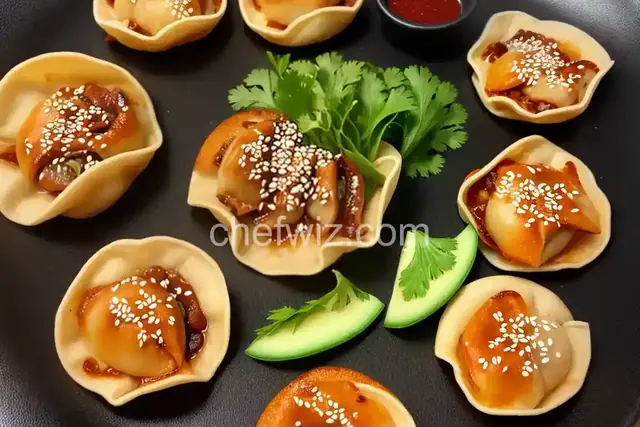
Who doesn't love dumplings? These little pockets of joy are found in various cuisines around the world, each with its own unique twist. In Korean cuisine, one popular variation is the Korean Yaki Mandu. These crispy, pan-fried dumplings are a delight to both the eyes and the taste buds. So, let's dive into the world of Korean Yaki Mandu and discover what makes them so special!
Like many dishes, the exact origins of Korean Yaki Mandu are unclear. However, it is believed to have been influenced by the Chinese dumplings brought to Korea centuries ago. Over time, Koreans added their own flavors and cooking techniques, resulting in the creation of Yaki Mandu.
One of the reasons Korean Yaki Mandu stands out is its delicious fillings. These dumplings are typically filled with a mixture of ground meat, vegetables, and seasonings. The most common fillings include a combination of ground pork, tofu, cabbage, onions, and garlic. The flavors blend together harmoniously, creating a mouthwatering experience with every bite.
What sets Korean Yaki Mandu apart from other dumplings is its delightful texture. The dumplings are pan-fried to perfection, resulting in a crispy exterior that encases a juicy and flavorful filling. The contrast between the crunchy outer layer and the tender filling is what makes these dumplings so satisfying to eat.
Korean Yaki Mandu can be enjoyed in various ways. They make a perfect appetizer, snack, or even a main dish. These versatile dumplings can be served on their own with a dipping sauce or as part of a larger Korean meal. They pair well with a bowl of warm rice, kimchi, and other side dishes.
While Korean Yaki Mandu is delicious on its own, dipping sauces take the experience to a whole new level. There are plenty of options to choose from, each offering a unique flavor profile. Some popular choices include soy sauce, vinegar, sesame oil, and spicy chili sauce. Feel free to experiment and find your perfect combination!
When it comes to cooking Korean Yaki Mandu, you have two options: steamed or pan-fried. Steamed dumplings have a softer texture and a more delicate taste. On the other hand, pan-fried dumplings are crispy and offer a satisfying crunch. Both methods have their own charm, so why not try both and see which one you prefer?
Korean Yaki Mandu is a delightful twist on the classic dumpling. With its crispy exterior, juicy filling, and a plethora of dipping sauce options, these dumplings are sure to please any palate. Whether you're a fan of Korean cuisine or simply love dumplings, Korean Yaki Mandu is a must-try dish that will leave you craving for more!
Yes, you can experiment with different fillings to suit your taste. Some popular alternatives include beef, chicken, shrimp, or even vegetarian options.
No, the traditional recipe for Korean Yaki Mandu uses wheat-based wrappers. However, you can find gluten-free alternatives or make your own using gluten-free ingredients.
Absolutely! Korean Yaki Mandu freeze well, making them a convenient option for meal prep. Just make sure to wrap them properly and store them in an airtight container.
The easiest way to reheat Korean Yaki Mandu is to pan-fry them again until they are heated through and the exterior becomes crispy once more.
Yes, you can make the dumplings in advance and refrigerate them until you're ready to cook. This makes them a great option for parties or gatherings.
Yaki Mandu pairs well with various Korean dishes such as bibimbap, bulgogi, japchae, and tteokbokki. The combination of flavors and textures creates a satisfying and balanced meal.
Korean Yaki Mandu itself is not spicy. However, if you prefer a spicy kick, you can serve them with a side of spicy chili sauce or kimchi.
Absolutely! You can easily make a vegetarian version by omitting the meat and using tofu or a combination of vegetables as the filling.
AprilCook, recipe developer and the heart of Chefwiz. More about April