Knead Not Sourdough
Rate this recipeBe the first to rate
 By AprilPublished
 Have you ever been intimidated by the thought of making your own sourdough bread from scratch?
 By AprilPublished
 Have you ever been intimidated by the thought of making your own sourdough bread from scratch?
In a large mixing bowl, combine the flour, yeast, and salt. Whisk them together.
Add the water to the mixture and stir until everything is well combined.
Cover the bowl with plastic wrap and let it sit at room temperature for 19 hours.
After 19 hours, transfer the dough onto a lightly floured work surface.
Punch down the dough and fold it over onto itself a few times.
Cover the dough with a tea towel and let it rest for 15 minutes.
Shape the dough into a ball, using flour on your hands to prevent sticking if necessary.
Sprinkle half of the cornmeal on a tea towel and place the dough on top, with the seam side facing down.
Sprinkle the remaining half of the cornmeal on top of the dough and cover with the towel.
Allow the dough to rise for an additional 2 to 3 hours, until it has doubled in size.
For oven baking, preheat the oven to 450 degrees F while the dough is rising for the second time.
Place a 4 to 5-quart Dutch oven in the oven to preheat.
Once the dough is ready, carefully transfer it to the preheated Dutch oven.
Cover the Dutch oven and bake for 30 minutes.
Remove the lid and continue baking for another 15 minutes, until the bread reaches an internal
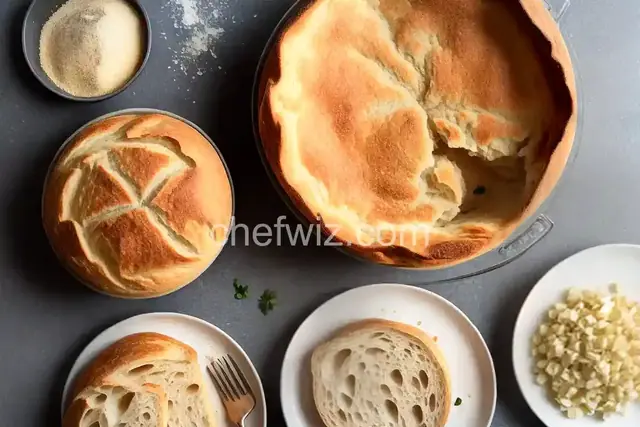
Have you ever been intimidated by the thought of making your own sourdough bread from scratch? The long fermentation process, the complex steps, and the need for a sourdough starter can be overwhelming for many aspiring home bakers. But fear not! There is a delicious alternative that requires no kneading and no sourdough starter. In this article, we will explore the fascinating world of no-knead bread and discover how you can easily create a loaf of artisanal bread right in your own kitchen.
No-knead bread is a game-changer for those who love homemade bread but don't have the time or energy for the traditional kneading process. This method, popularized by bread guru Jim Lahey, involves a long fermentation period that allows the gluten to develop naturally without the need for vigorous kneading. The result? A loaf of bread with a soft, chewy interior and a beautifully crispy crust.
So how does it work? The secret lies in the hydration of the dough. By using a higher water-to-flour ratio, the dough becomes wet and sticky, which, in turn, creates a more relaxed gluten structure. This means that instead of kneading the dough to develop gluten, you simply let time and moisture do the work for you. It's like magic!
No-knead bread requires a little bit of patience, but the results are well worth the wait. The dough needs to ferment for an extended period, usually around 12-18 hours, to allow the flavors to develop and the gluten to fully relax. This slow fermentation process also contributes to the characteristic tangy flavor of the bread.
During this time, the dough undergoes a series of stretch and folds, which further strengthen the gluten and improve the structure of the bread. The process is simple and straightforward, requiring just a few minutes of your time throughout the day.
The beauty of no-knead bread lies in its versatility. Once you've mastered the basic recipe, you can experiment with different flours, add-ins, and flavorings to create your own signature loaves.
Want a hearty whole wheat bread? Simply replace a portion of the all-purpose flour with whole wheat flour. Craving a touch of sweetness? Add some honey or maple syrup to the dough. The possibilities are endless, and the joy of experimentation is half the fun!
No-knead bread is a fantastic alternative to traditional sourdough bread, offering a simple and convenient way to enjoy homemade artisanal loaves. With a little bit of patience and experimentation, you can create bread that rivals the best bakery offerings. So why not give it a try? Let the magic of no-knead bread transform your baking experience!
Yes, you can definitely use whole wheat flour in your no-knead bread. Just keep in mind that whole wheat flour absorbs more water than all-purpose flour, so you may need to adjust the hydration accordingly. Start by replacing a portion of the all-purpose flour with whole wheat flour and gradually increase the ratio until you achieve the desired texture.
Absolutely! Adding nuts and seeds to your no-knead bread can provide extra flavor and texture. Try adding a handful of toasted walnuts or sunflower seeds to the dough during the mixing process, or sprinkle some sesame seeds on top of the loaf before baking for a beautiful, crunchy crust.
The fermentation time for no-knead bread can range from 12 to 18 hours, depending on the temperature of your kitchen and the desired flavor. You can ferment the dough at room temperature or place it in the refrigerator for a slower, more controlled fermentation. Experiment with different fermentation times to find your perfect balance of flavor and convenience.
Absolutely! Baking your no-knead bread in a Dutch oven is a fantastic way to achieve that coveted artisanal crust. The Dutch oven traps steam during the baking process, creating a moist environment that helps the bread rise and develop a crispy crust. Simply preheat the Dutch oven before placing the dough inside and cover with the lid. Bake as directed, removing the lid for the last 10-15 minutes to allow the crust to brown.
Yes, you can freeze the dough for later use. After the initial fermentation period, shape the dough into a ball and place it in a freezer-safe container. When you're ready to bake, transfer the frozen dough to the refrigerator and let it thaw overnight. Once thawed, allow the dough to come to room temperature before baking as usual.
While it's not necessary, you can certainly use a stand mixer to mix the dough for no-knead bread. Simply combine the ingredients in the mixer bowl and mix on low speed until a shaggy dough forms. Be careful not to overmix, as this can lead to a dense loaf. If you prefer, you can also mix the dough by hand using a sturdy wooden spoon or a Danish dough whisk.
Absolutely! Adding herbs and spices to your no-knead bread can elevate the flavor and make it truly unique. Consider adding a teaspoon of dried rosemary or thyme to the dough for a savory twist, or mix in some cinnamon and nutmeg for a deliciously spiced loaf.
Yes, you can use active dry yeast instead of instant yeast in your no-knead bread. However, keep in mind that active dry yeast needs to be activated in warm water before adding it to the dough. Dissolve the yeast in a small amount of warm water along with a pinch of sugar and let it sit for about 5 minutes until it becomes frothy. Then, add it to the rest of the ingredients and proceed with the recipe as usual.
AprilCook, recipe developer and the heart of Chefwiz. More about April