Kitchen Sink Frittata
Rate this recipeBe the first to rate
 By AprilPublished
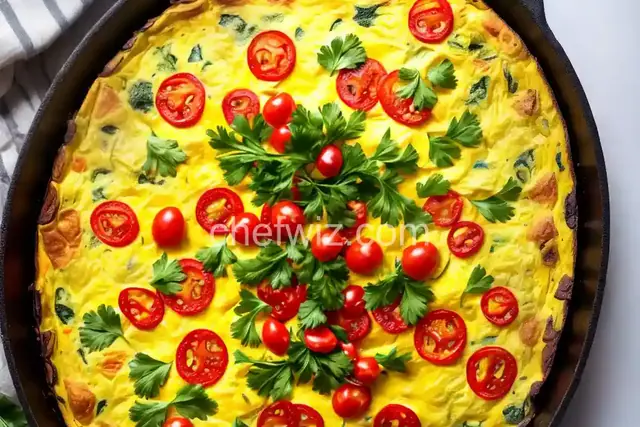
When it comes to cooking, versatility is key. And that's where the kitchen sink frittata comes in.
 By AprilPublished
When it comes to cooking, versatility is key. And that's where the kitchen sink frittata comes in.
Preheat the oven to 400 degrees F.
In an 8-inch cast-iron or ovensafe nonstick skillet, heat the olive oil over medium heat.
Add the onions to the skillet and heat until warm.
Add the steak, roasted red peppers, and asparagus to the skillet and heat until warmed through, mixing the ingredients evenly.
In a medium bowl, whisk together the milk and eggs, and season with salt and pepper.
Pour the egg mixture into the skillet and top with cheese.
Transfer the skillet to the oven and bake for about 15 minutes, or until the frittata is puffed and the eggs are cooked through.
When it comes to cooking, versatility is key. And that's where the kitchen sink frittata comes in. This delicious dish allows you to use up all those odds and ends in your fridge, transforming them into a flavorful meal. But what exactly is a kitchen sink frittata? Let's dive in and explore this culinary gem.
A kitchen sink frittata is a versatile egg-based dish that can be customized with whatever ingredients you have on hand. It's like a blank canvas, ready to be painted with the flavors of your choice. Whether you have leftover veggies, cheese, or even meats, you can throw them all into the mix and create a delicious frittata.
The name "kitchen sink frittata" comes from the idea that you can throw everything but the kitchen sink into this dish. It's a playful way of highlighting the versatility and adaptability of this recipe. So, the next time you're wondering what to do with those leftover ingredients, just whip up a kitchen sink frittata!
Making a kitchen sink frittata is as easy as 1, 2, 3. Here's a simple step-by-step guide:
Gather all your leftover ingredients from the fridge. This can include vegetables, cooked meats, cheeses, and herbs. Chop them into bite-sized pieces and set aside.
In a bowl, whisk together the eggs, salt, and pepper until well combined. The number of eggs you use will depend on the size of your frittata and the number of ingredients you have. As a general rule, aim for 6-8 eggs for a medium-sized frittata.
Heat a non-stick skillet over medium heat and add a little oil or butter. Pour the whisked eggs into the skillet and spread them evenly. Then, sprinkle your leftover ingredients on top. Allow the frittata to cook for about 5 minutes, or until the edges start to set.
Once the edges are set, transfer the skillet to a preheated oven and bake at 350°F (180°C) for about 10-15 minutes, or until the center is cooked through. You can also finish it off under the broiler for a golden top.
Here are a few tips to take your kitchen sink frittata to the next level:
While it's tempting to throw in all your leftovers, be mindful not to overload the frittata. Too many ingredients can make it difficult for the eggs to set properly. Aim for a balanced mixture of flavors.
Adding fresh herbs like parsley, basil, or thyme can enhance the flavors of your frittata. They add a pop of freshness and can elevate even the simplest ingredients.
Cheese is a great addition to a frittata. Try different varieties like cheddar, feta, or Parmesan to add a creamy, salty, or sharp flavor to your dish.
The kitchen sink frittata is a versatile and delicious dish that allows you to get creative in the kitchen. It's a fantastic way to use up leftover ingredients and create a flavorful meal. So, the next time you find yourself with odds and ends in your fridge, don
A1: Absolutely! You can make a frittata ahead of time and refrigerate it for a quick and easy meal later. Just reheat it in the oven or microwave before serving.
A2: Yes, you can freeze a cooked frittata. Wrap it tightly in plastic wrap or aluminum foil and store it in the freezer for up to 3 months. Thaw it in the fridge overnight before reheating.
A3: Absolutely! You can make a vegan frittata by substituting eggs with tofu or chickpea flour. Add in your favorite veggies and seasonings for a delicious plant-based alternative.
A4: Yes, you can use fresh vegetables in a frittata. Just make sure to cook them slightly before adding them to the egg mixture. This will ensure they are tender and flavorful.
A5: A frittata can be a complete meal on its own, but you can also serve it with a side salad, crusty bread, or roasted potatoes for a more substantial meal.
A6: Yes, you can! Leftover cooked pasta can be a great addition to a frittata. Just mix it in with the other ingredients before pouring the egg mixture into the skillet.
A7: While frittatas are traditionally savory, you can experiment with sweet versions too. Use ingredients like fruits, nuts, and a touch of sweetener for a delicious dessert frittata.
A8: Absolutely! While a non-stick skillet is commonly used, you can also use an oven-safe cast iron or stainless steel pan. Just make sure to grease it well before adding the eggs.
AprilCook, recipe developer and the heart of Chefwiz. More about April