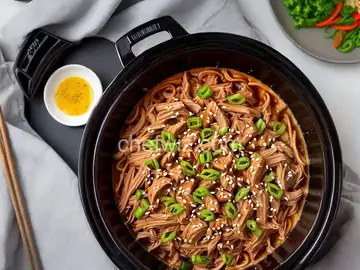
Kimchi Fried Rice With Broccoli
Rate this recipeBe the first to rate
 By AprilPublished
 Are you a fan of spicy, flavorful dishes? Do you love the combination of rice, vegetables, and a kick of heat?
 By AprilPublished
 Are you a fan of spicy, flavorful dishes? Do you love the combination of rice, vegetables, and a kick of heat?
Separate the broccoli stem from the crown.
Remove any leaves from the stem and thinly slice them.
Slice the stem into ½-inch thick coins.
Cut the crown into 1-inch florets.
Separate the dark green tops from the scallions and cut them into 1-inch lengths.
Thinly slice the white and pale green parts of the scallions and keep them separate.
Squeeze 1 cup of kimchi over a small bowl to remove as much liquid as possible.
Coarsely chop the kimchi and return the liquid to the kimchi jar.
Heat 1 tablespoon of vegetable oil in a large wok or nonstick skillet over medium-high heat.
Add the broccoli and dark green scallion parts, season with salt, and cook without stirring until they begin to char, about 5 minutes.
Stir and cook for another minute, then transfer to a plate.
Add another tablespoon of vegetable oil to the same pan.
Cook the kimchi, white and pale green scallion parts, garlic, and ginger, stirring often, until softened and fragrant, about 2 minutes.
Push the aromatics to the edges of the pan.
Drizzle the remaining tablespoon of vegetable oil into the empty space and add the rice, sesame oil, and ¼ cup of soy sauce.
Toss the rice and aromatics
Are you a fan of spicy, flavorful dishes? Do you love the combination of rice, vegetables, and a kick of heat? If so, then you're in for a treat with this recipe for Kimchi Fried Rice With Broccoli. This delicious dish is not only packed with flavor, but it's also a great way to use up any leftover rice and veggies you have in your fridge. So let's dive right in and learn how to make this mouthwatering dish!
Kimchi is a traditional Korean side dish made with fermented vegetables, most commonly cabbage. It's known for its tangy, spicy, and slightly sour flavor. The fermentation process not only adds a unique taste to the dish but also increases its probiotic content, making it beneficial for gut health.
When you add kimchi to fried rice, it takes the dish to a whole new level. The combination of the rich umami flavors from the kimchi and the nuttiness of the fried rice creates a symphony of tastes in your mouth. It's a delightful explosion of flavors that will leave you craving for more.
Fried rice is a staple in many Asian cuisines, and for a good reason. It's a versatile dish that allows you to use up leftover rice and vegetables while creating a satisfying and delicious meal. The beauty of fried rice lies in its simplicity - it's all about combining ingredients and stir-frying them to perfection.
Whether you're a vegetarian, a meat-lover, or someone who enjoys a bit of both, you can customize your fried rice to suit your taste. Add in your favorite proteins like chicken, shrimp, or tofu, and toss in a medley of vegetables for a nutritious and filling meal.
Broccoli is a fantastic vegetable to add to your kimchi fried rice. Not only does it provide a vibrant green color to the dish, but it also adds a delicious crunch and a boost of nutrients. Broccoli is packed with vitamins, minerals, and antioxidants, making it a great choice for a healthy and balanced meal.
When stir-fried with the kimchi and rice, the broccoli absorbs all the flavors and becomes tender yet still slightly crisp. It adds a refreshing element to the dish, balancing out the richness of the kimchi and the heartiness of the rice.
Kimchi Fried Rice With Broccoli is a delightful dish that combines the bold flavors of kimchi with the comfort of fried rice. It's a versatile recipe that allows you to customize it according to your taste and dietary preferences. The addition of broccoli adds a nutritious and crunchy element to the dish, making it a wholesome and satisfying meal.
So the next time you have some leftover rice and veggies in your fridge, give this recipe a try. It's a simple yet flavorful dish that will surely satisfy your taste buds. Enjoy!
Absolutely! The beauty of fried rice is its versatility. Feel free to substitute broccoli with other vegetables like bell peppers, carrots, or peas. You can even use a combination of different veggies to add more color and flavor to your dish.
While kimchi is the star ingredient of this recipe, you can still enjoy a tasty fried rice without it. Simply omit the kimchi and add some extra spices and seasonings to amp up the flavor. You can use ingredients like garlic, ginger, soy sauce, and chili flakes to create a delicious alternative.
Definitely! Brown rice is a healthier alternative to white rice, as it contains more fiber and nutrients. However, keep in mind that brown rice takes longer to cook, so adjust the cooking time accordingly. The texture of the fried rice may also be slightly different, but it'll still be just as delicious.
The level of spiciness in the dish depends on the amount of kimchi you use and your personal preference. Kimchi can range from mildly spicy to very spicy, so adjust the quantity according to your taste. If you prefer a milder version, you can rinse the kimchi before using it to reduce the heat.
Of course! Kimchi fried rice pairs well with various proteins like chicken, beef, pork, or shrimp. Simply cook the meat separately and add it to the fried rice during the final stages of cooking. It'll add an extra layer of flavor and make the dish more filling.
While it's best to enjoy kimchi fried rice fresh, you can make it ahead of time and store it in the refrigerator for up to 2 days. When ready to serve, simply reheat it in a pan or microwave until heated through. Keep in mind that the texture of the rice may be slightly different after refrigeration.
Yes, you can freeze the leftovers of kimchi fried rice. Allow the dish to cool completely and transfer it to airtight containers or freezer bags. It can be stored in the freezer for up to 3 months. To reheat, thaw it in the refrigerator overnight and then heat it in a pan or microwave.
Absolutely! Feel free to adjust the seasoning according to your taste. If you prefer a saltier flavor, add a bit more soy sauce or salt. If you like it spicier, sprinkle some chili flakes or hot sauce. Cooking is all about experimenting and making the dish your own, so don't be afraid to get creative!
AprilCook, recipe developer and the heart of Chefwiz. More about April