Khichdi
Rate this recipeBe the first to rate
 By AprilPublished
 Have you ever had one of those days where you just crave a simple, comforting meal?
 By AprilPublished
 Have you ever had one of those days where you just crave a simple, comforting meal?
Rinse ½ cup mung beans and ½ cup rice under cool running water in a fine-mesh sieve until water runs clear.
Transfer the rinsed mung beans and rice to a large Dutch oven or heavy pot.
Add 1 bay leaf, 1 tsp. peppercorns, 1 tsp. turmeric, 1 tsp. salt, and 6 cups of water to the pot.
Bring the mixture to a boil over high heat.
Reduce the heat to medium and cover the pot.
Cook the mixture for 15 minutes, scraping down the sides and stirring occasionally.
Continue cooking until the mung beans and rice are tender and the mixture resembles a stew, which should take around 20-25 minutes.
If the pot lid is about to blow, you can crack it open slightly.
Remove the pot from heat and taste the mixture. Add more salt if desired.
Keep the pot covered while preparing the spiced ghee.
In a small skillet, melt ¼ cup ghee over medium-high heat.
Add 2 tsp. cumin seeds to the skillet and cook until they start to sputter and brown, which should only take a few seconds.
Remove the skillet from heat and immediately add 2 dried red chiles, 1 pinch of asafetida (if using), and 1 pinch of red chili powder to
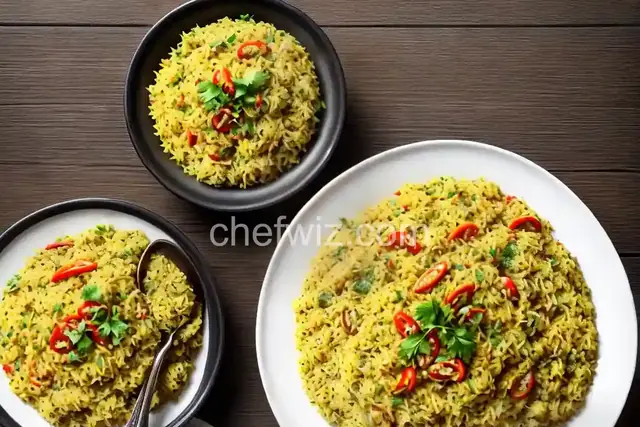
Have you ever had one of those days where you just crave a simple, comforting meal? A dish that not only satisfies your hunger but also warms your soul? Look no further than khichdi - the ultimate comfort food that has been delighting taste buds for centuries. In this article, we will explore the origins, variations, and benefits of this versatile dish that has become a staple in Indian households. So, grab a seat and get ready to dive into the world of khichdi!
Khichdi, also known as khichri or khichadi, has a rich history that dates back to ancient times. It is believed to have originated in the Indian subcontinent and was traditionally prepared using a combination of rice and lentils. Over the years, khichdi has evolved and adapted to different regional cuisines, resulting in a wide array of flavors and ingredients.
One of the most fascinating aspects of khichdi is the sheer variety it offers. From the simple and humble moong dal khichdi to the indulgent and flavorful bisi bele bath, there is a khichdi for every palate. Each region in India has its own unique take on this dish, incorporating local spices, vegetables, and even meats.
For instance, in the northern parts of India, you'll find khichdi made with a combination of rice and yellow moong dal, seasoned with cumin, turmeric, and ghee. In the southern regions, a popular variation is the pongal, which combines rice and split yellow moong dal, flavored with black pepper, ginger, and cashews.
Additionally, khichdi can also be customized based on dietary preferences. For those looking for a healthier option, quinoa or millets can be used instead of rice, while the lentils can be swapped with beans or legumes. The possibilities are endless!
Khichdi is not only a delicious and comforting dish but also a nutritious one. The combination of rice and lentils provides a complete protein source, making it an excellent choice for vegetarians and vegans. The dish is also easy to digest, making it suitable for individuals with digestive issues or those recovering from illness.
Furthermore, khichdi is a versatile dish that can be modified to suit specific dietary requirements. By incorporating different vegetables and spices, it can be transformed into a wholesome one-pot meal packed with vitamins, minerals, and antioxidants. It's no wonder that khichdi is often recommended as a healing food in Ayurveda!
Khichdi, with its rich history, diverse variations, and numerous health benefits, truly deserves its status as a comfort food. Whether you're seeking solace on a rainy day or looking for a wholesome meal to nourish your body, khichdi is the answer. So, why not embark on a culinary adventure and try a new variation of khichdi today? Your taste buds will thank you!
Yes, khichdi is considered a complete meal as it provides a good balance of carbohydrates, proteins, and essential nutrients.
Absolutely! Khichdi can be made with other grains like quinoa, millets, or even broken wheat for a healthier alternative.
Definitely! Adding vegetables not only enhances the nutritional value of khichdi but also adds color and flavor to the dish.
Yes, you can make khichdi without lentils by using beans or legumes as a substitute.
Khichdi can be a great option for weight loss as it is low in calories, high in fiber, and provides a feeling of fullness.
The cooking time for khichdi may vary depending on the ingredients used, but on average, it takes about 20-30 minutes.
Absolutely! Using a pressure cooker can significantly reduce the cooking time and make the process more convenient.
Yes, you can freeze leftover khichdi in an airtight container for up to 2-3 months. Just thaw and reheat before serving.
AprilCook, recipe developer and the heart of Chefwiz. More about April