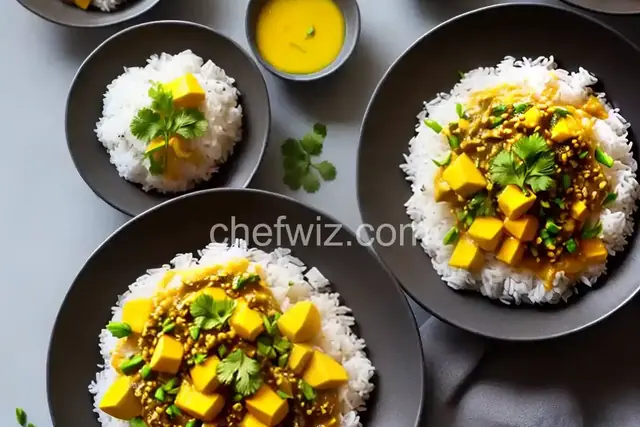
Are you craving a delightful Thai dessert that combines the rich creaminess of coconut sticky rice with the refreshing sweetness of mango? Look no further! In this article, we will explore the tantalizing flavors of Khao Niao Mamuang, a beloved Thai delicacy that will transport your taste buds to the streets of Bangkok.
What Makes Khao Niao Mamuang So Special?
Imagine sinking your teeth into a spoonful of warm, sticky rice infused with the lusciousness of coconut milk. As it melts in your mouth, you encounter the juicy, ripe mango slices that add a burst of tropical sweetness. The combination of the creamy rice and the succulent mango creates a symphony of flavors that is both indulgent and refreshing.
The Perfect Harmony of Thai Ingredients
One of the reasons why Khao Niao Mamuang stands out is its use of authentic Thai ingredients. Thai sticky rice, also known as glutinous rice, is the star of the show. This type of rice has a chewy texture and a slightly sweet taste, making it the ideal base for this dessert.
Another essential component is coconut milk, which adds a rich and creamy flavor to the sticky rice. The coconut milk is gently cooked with the rice, infusing it with its tropical essence. Finally, ripe mangoes are sliced and served alongside the rice, providing a refreshing contrast to the richness of the coconut and the stickiness of the rice.
How to Make Khao Niao Mamuang
Creating this delectable dessert at home is easier than you might think. With a few simple steps, you can bring the flavors of Thailand into your own kitchen.
1Step 1Soaking the Sticky Rice
The key to achieving the perfect texture for your sticky rice is to soak it overnight. This allows the grains to absorb water and soften, resulting in a sticky yet tender consistency when cooked.
2Step 2Steaming the Rice
Once the rice has soaked, it's time to steam it. Place the rice in a steaming basket or a colander lined with cheesecloth. Steam it over medium heat for approximately 20 minutes, or until the grains are tender and sticky.
3Step 3Preparing the Coconut Sauce
While the rice is steaming, you can prepare the coconut sauce. In a saucepan, combine coconut milk, sugar, and salt. Heat the mixture over low heat, stirring occasionally until the sugar has dissolved.
4Step 4Combining the Rice and Coconut Sauce
Once the rice is cooked and the coconut sauce is ready, it's time to bring them together. Transfer the sticky rice into a mixing bowl and slowly pour the coconut sauce over it. Gently fold the sauce into the rice until it is well coated.
5Step 5Serving Khao Niao Mamuang
To serve Khao Niao Mamuang, place a generous portion of the coconut sticky rice on a plate. Arrange the sliced mangoes alongside the rice for an eye-catching presentation. You can also sprinkle some sesame seeds or drizzle a bit of coconut cream over the top for added flavor and visual appeal.
Frequently asked questions
- Can I use any type of rice for Khao Niao Mamuang?
No, sticky rice or glutinous rice is essential for achieving the desired texture. Regular rice won't give you the same sticky consistency.
- Is it necessary to soak the sticky rice overnight?
Yes, soaking the rice overnight ensures that it softens and becomes sticky when cooked.
- Can I use canned coconut milk?
Yes, canned coconut milk works perfectly fine for this recipe. However, fresh coconut milk will give you an even more authentic flavor.
- How ripe should the mangoes be?
The mangoes should be ripe but still firm. Avoid using overly ripe mangoes, as they might be too soft and mushy.
- Can I make Khao Niao Mamuang in advance?
While it's best to enjoy Khao Niao Mamuang fresh, you can prepare the sticky rice and coconut sauce in advance. Simply reheat the rice and warm up the sauce before serving.
- Are there any variations of Khao Niao Mamuang?
Yes, some variations include adding a pandan leaf to the rice while it steams for an aromatic twist. You can also experiment with different fruits such as durian or jackfruit.
- Can I make Khao Niao Mamuang vegan?
Absolutely! You can substitute the regular sugar with coconut sugar and use a vegan-friendly alternative for the salt.
- Is Khao Niao Mamuang only served as a dessert?
While Khao Niao Mamuang is commonly enjoyed as a dessert, it can also be served as a sweet snack or even for breakfast.
- Can I store leftovers of Khao Niao Mamuang?
It's best to consume Khao Niao Mamuang fresh, as the texture of the sticky rice may change when refrigerated. However, if you do have leftovers, store them in an airtight container in the refrigerator and reheat gently before serving.
In conclusion, Khao Niao Mamuang is a delightful Thai dessert that brings together the creamy goodness of coconut sticky rice and the tropical sweetness of mango. With its unique combination of flavors and textures, it's no wonder that this dessert has become a favorite around the world. So why not try making Khao Niao Mamuang at home and indulge in a taste of Thailand?
 By AprilPublished