Keto Beef Stew
Rate this recipeBe the first to rate
 By AprilPublished
 Are you on a keto diet and craving a warm and comforting meal?
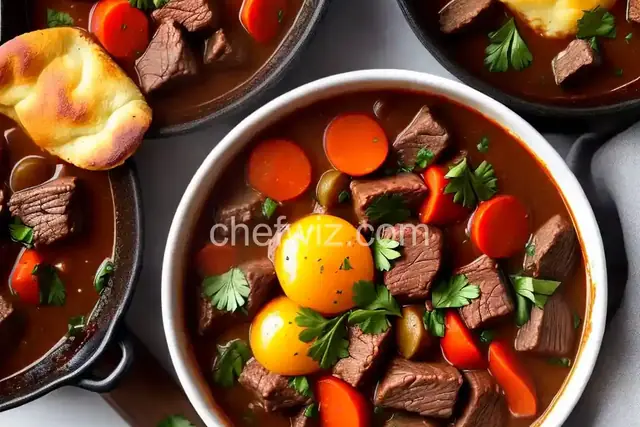 By AprilPublished
 Are you on a keto diet and craving a warm and comforting meal?
Pat the beef dry using paper towels and season it with salt and pepper.
Heat oil in a large pot over medium heat.
Add the beef to the pot in batches and sear it on all sides until it turns golden (approximately 3 minutes per side).
Remove the seared beef from the pot and repeat with the remaining beef, adding more oil if needed.
In the same pot, add the mushrooms and cook them until they become golden and crispy (around 5 minutes).
Add the onion, carrots, and celery to the pot and cook them until they become soft (approximately 5 minutes).
Add the garlic to the pot and cook until it becomes fragrant (about 1 minute).
Stir in the tomato paste to coat the vegetables.
Pour in the broth, and add the thyme, rosemary, and seared beef to the pot. Season with more salt and pepper if desired.
Bring the mixture to a boil and then reduce the heat to a simmer.
Allow the mixture to simmer until the beef becomes tender, which usually takes around 50 minutes to an hour.
Are you on a keto diet and craving a warm and comforting meal? Look no further than keto beef stew! Packed with tender beef, flavorful vegetables, and a rich broth, this dish is sure to satisfy your taste buds and keep you on track with your low-carb lifestyle. In this article, we'll delve into the world of keto beef stew, discussing its benefits, the best ingredients to use, and how to make it. So, grab a bowl and let's dig in!
When it comes to keto-friendly meals, beef stew is a winner. Not only is it delicious, but it also offers several benefits for those following a low-carb diet. One of the main advantages is that beef is rich in protein, which is essential for maintaining muscle mass and keeping you feeling full and satisfied.
Additionally, beef stew is a great source of vitamins and minerals. A variety of vegetables, such as carrots, celery, and mushrooms, are often included in the recipe, providing a range of nutrients to support your overall health. These vegetables add color, flavor, and texture to the stew, making it a well-rounded and delightful meal.
When making keto beef stew, it's important to choose the right ingredients to keep it low-carb. Opt for high-quality beef, preferably grass-fed, as it tends to be leaner and more nutritious. You can use cuts like chuck roast or stew meat, which become tender and flavorful when slow-cooked.
As for the vegetables, aim for low-carb options. While traditional beef stew often includes potatoes, we'll be swapping them out for alternatives like cauliflower or turnips. These veggies offer a similar texture and absorb the delicious flavors of the stew while keeping the carb count low.
Now that you know the benefits and ingredients, let's dive into the process of making keto beef stew. It's a simple and straightforward recipe that anyone can follow. First, gather all your ingredients, including the beef, vegetables, broth, and seasonings.
Start by browning the beef in a large pot or Dutch oven to seal in the flavors. Once the beef is browned, remove it from the pot and set it aside. In the same pot, sauté the onions and garlic until fragrant. Then, add in your low-carb vegetables and cook them until they begin to soften.
Next, return the beef to the pot and pour in the beef broth. Feel free to add herbs and spices such as thyme, rosemary, and bay leaves to enhance the flavor. Bring the stew to a boil, then reduce the heat and let it simmer for a few hours, allowing the flavors to meld together and the beef to become tender.
Once the stew is ready, serve it hot and enjoy the comforting aromas and flavors. You can garnish it with fresh herbs like parsley or cilantro for an added touch of freshness. This keto beef stew is perfect for chilly evenings or when you need a satisfying meal to keep you going.
Keto beef stew is a delicious and nourishing option for those following a low-carb lifestyle. Packed with protein, vitamins, and minerals, it provides a satisfying and well-rounded meal. By choosing the right ingredients and cooking it slowly, you can enjoy a hearty bowl of stew without compromising your keto goals. So, why not give it a try and savor the flavors of this comforting dish?
Yes, you can freeze keto beef stew! Allow it to cool completely before transferring it to an airtight container or freezer bags. It will keep well in the freezer for up to three months. Just remember to thaw it overnight in the refrigerator before reheating.
Absolutely! Feel free to experiment with different low-carb vegetables in your keto beef stew. Bell peppers, zucchini, and green beans are excellent options that add color and flavor to the dish.
Yes, you can use a slow cooker to make keto beef stew. Simply follow the same steps of browning the beef and sautéing the vegetables before transferring everything to the slow cooker. Cook on low for 6-8 hours or on high for 3-4 hours.
Absolutely! Bone broth is a nutritious addition to keto beef stew. It adds depth of flavor and provides additional health benefits. You can use it as a substitute for regular beef broth or mix the two for a richer taste.
While red wine can add depth and complexity to the flavors of beef stew, it does contain some carbohydrates. If you're strict on your carb intake, it's best to avoid adding wine. However, if you have some room in your daily carb limit, a small amount can be used for flavor.
Yes, you can make keto beef stew in an Instant Pot. Follow the same steps of browning the beef and sautéing the vegetables using the sauté function. Then, pressure cook on high for about 30 minutes, followed by a natural release. The result is a flavorful and tender keto beef stew.
Absolutely! Adding some shredded cheese to your keto beef stew can make it even more indulgent and delicious. Cheddar or Parmesan cheese work particularly well in enhancing the flavors.
Yes, you can make keto beef stew without tomatoes. While tomatoes are commonly used in traditional beef stew, they do contain some carbohydrates. You can omit them or replace them with tomato paste or a small amount of tomato sauce for a hint of tanginess.
AprilCook, recipe developer and the heart of Chefwiz. More about April