Kenyan Chapati
Rate this recipeBe the first to rate
 By AprilPublished
 When it comes to Kenyan cuisine, one dish stands out in its simplicity and deliciousness - Kenyan Chapati.
 By AprilPublished
 When it comes to Kenyan cuisine, one dish stands out in its simplicity and deliciousness - Kenyan Chapati.
In a basin, pour the flour and add the salt and sugar. Mix well.
Add the grated carrots and 3 tablespoons of cooking oil to the flour mixture. Mix thoroughly.
Slowly pour water into the flour mixture while kneading until the water is absorbed. The mixture should be tough but not sticky. If it becomes watery, add a bit more flour. If it has excess flour, add small amounts of water until the mixture absorbs it all. Let it rest for 20 minutes.
Roll out the kneaded flour on a smooth surface using a rolling pin. Divide it into 8 equal pieces using a sharp knife.
Take each piece and roll it clockwise, then press it firmly to form a ball shape.
Use the rolling pin to flatten each ball into a round flat piece. Don't worry if they are not perfectly round.
Preheat a flat pan on the stove. Once warm, place one piece of chapati on the pan and apply oil to both sides. Cook until it turns brown, then flip and apply oil to the other side. Repeat this for all the chapatis.
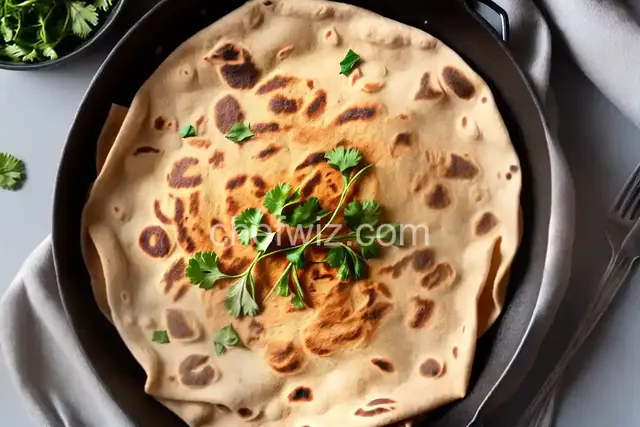
The final result should be folded chapatis similar to the ones shown on the side.
Try out the recipe and let us know how it turns out! ??
When it comes to Kenyan cuisine, one dish stands out in its simplicity and deliciousness - Kenyan Chapati. These soft, flaky flatbreads are a staple in Kenyan households and are often enjoyed with a variety of stews and curries. In this article, we will explore the history, ingredients, and tips for making the perfect Kenyan Chapati.
Kenyan Chapati has its roots in Indian cuisine, brought to Kenya by Indian immigrants who settled in the country many years ago. Over time, it has become an integral part of Kenyan food culture, loved by both locals and visitors alike. The combination of Indian flavors and Kenyan techniques has resulted in a unique and mouthwatering dish.
Making Kenyan Chapati requires a few simple ingredients that are easily available in most kitchens. Flour, water, salt, and oil are the basic components of the dough. However, some variations may include additional ingredients like yogurt or milk to enhance the texture and flavor of the chapati.
Creating a delicious and fluffy Kenyan Chapati requires a bit of practice and patience. Here are some tips to help you achieve the perfect result:
Take your time to knead the dough thoroughly. This process helps in developing gluten, which in turn gives the chapati its softness and elasticity. The more you knead, the better the texture of your chapati will be.
After kneading, allow the dough to rest for at least 30 minutes. This resting period allows the gluten to relax, making the dough easier to roll out and preventing the chapati from becoming tough.
Rolling the chapati thinly ensures that it cooks evenly and becomes soft and flaky. Use a rolling pin and a lightly floured surface to achieve a thin and even round shape.
Brushing the rolled chapati with oil or ghee adds flavor and helps in creating layers while cooking. This step is crucial in achieving the characteristic flakiness of Kenyan Chapati.
Preheat a griddle or a non-stick pan on medium-high heat before cooking the chapati. This ensures that the chapati cooks quickly and evenly, resulting in a soft and puffy texture.
Kenyan Chapati is a delightful dish that blends Indian and Kenyan flavors seamlessly. Its soft and flaky texture, combined with the simplicity of its ingredients, makes it a favorite among many. With a little practice and the right techniques, you can master the art of making delicious Kenyan Chapati in your own kitchen.
Yes, you can substitute whole wheat flour for all-purpose flour to make a healthier version of Kenyan Chapati. However, keep in mind that whole wheat flour may result in a slightly denser texture.
The cooking time for a chapati is relatively short, usually around 2-3 minutes per side. The chapati should puff up and develop brown spots when it is ready to be flipped.
Yes, you can freeze Kenyan Chapati for later use. Simply stack the cooked chapatis with a layer of parchment paper in between to prevent them from sticking together. When you're ready to enjoy them, thaw and reheat on a hot griddle.
Kenyan Chapati pairs well with a variety of dishes such as sukuma wiki (collard greens), chicken curry, or even a simple lentil soup. Its versatility makes it a great accompaniment to any meal.
Yes, you can make mini chapatis by dividing the dough into smaller portions and rolling them out accordingly. Mini chapatis are perfect for appetizers or as a snack.
Yes, you can make Kenyan Chapati vegan-friendly by omitting the yogurt or milk from the recipe. Simply use water as a substitute to bind the dough together.
Absolutely! Adding spices like cumin, turmeric, or chili powder to the chapati dough can elevate its flavor profile. Experiment with different spices to find your favorite combination.
The best way to reheat leftover chapatis is by wrapping them in aluminum foil and placing them in a preheated oven at 350°F (175°C) for about 5-7 minutes. This will help retain their moisture and freshness.
AprilCook, recipe developer and the heart of Chefwiz. More about April