Kare-Kare (Filipino Curry)
Rate this recipeBe the first to rate
 By AprilPublished
 Have you ever tried a dish that is both comforting and exotic at the same time?
 By AprilPublished
 Have you ever tried a dish that is both comforting and exotic at the same time?
Adjust the oven rack to the top position and preheat it to 350°F (175°C).
Spread rice flour evenly on a rimmed baking sheet.
Bake the rice flour for about 15 minutes, shaking the pan occasionally, until it becomes lightly browned.
Transfer the toasted rice flour to a small bowl and set it aside.
In a large Dutch oven, heat 2 tablespoons (30ml) of oil over medium-high heat until it starts shimmering.
Using tongs, add the oxtails and cook them, turning occasionally, for about 15 minutes or until they are well browned on all sides.
Transfer the oxtails to a plate and set them aside.
Add half of the garlic (30g), half of the onion (58g), and scallion trimmings to the Dutch oven.
Cook them on medium-high heat, stirring occasionally, until the garlic turns golden brown and the onions become translucent, which takes about 3 minutes.
Return the oxtails to the Dutch oven and add 4 quarts (3.8L) of water.
Bring the mixture to a boil, partially cover it with a lid, and cook for 1 1/2 hours.
Skim any fat and scum that accumulates on the surface during the cooking process.
Lower the heat to a simmer, cover the Dutch oven
Have you ever tried a dish that is both comforting and exotic at the same time? A dish that tantalizes your taste buds with its rich flavors and hearty textures? If not, then it's time for you to indulge in the delightful world of Kare-Kare, a Filipino curry that will leave you craving for more. In this article, we will explore the origins, ingredients, and the unique taste of Kare-Kare. So, let's dive in!
Just like any other dish, Kare-Kare has an interesting story behind its creation. It is believed to have originated from the Pampanga region in the Philippines, known as the culinary capital of the country. The dish was initially inspired by the Spanish cocido, a hearty stew made with different meats and vegetables. However, as time went on, the locals added their own twist to the recipe, resulting in the birth of Kare-Kare.
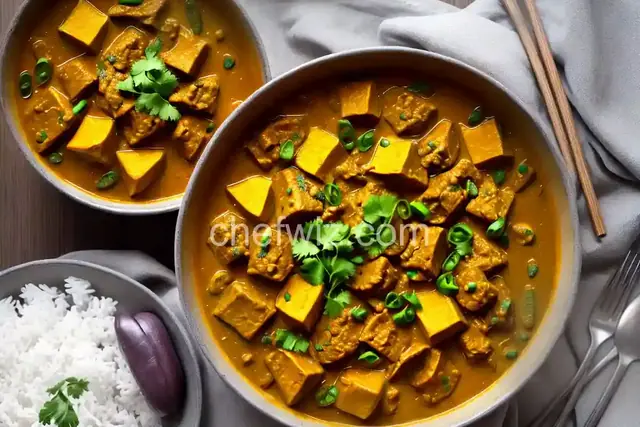
What sets Kare-Kare apart from other curries is its distinct combination of ingredients. Traditionally, it is made with oxtail, tripe, and various vegetables such as eggplant, string beans, and banana blossom. The star of the dish is the thick and creamy peanut sauce, which gives Kare-Kare its signature flavor. The sauce is made by grinding roasted peanuts and rice into a smooth paste, then combined with achuete oil, garlic, onions, and annatto seeds for that vibrant orange color.
Imagine dipping a piece of tender oxtail into a luscious peanut sauce, taking a bite, and savoring the explosion of flavors in your mouth. The combination of the meaty richness of the oxtail, the earthy taste of the vegetables, and the nutty sweetness of the peanut sauce creates a harmonious symphony of flavors that is uniquely Kare-Kare. The sauce is thick and velvety, coating each ingredient with its creamy goodness. It's like a warm hug for your taste buds!
Kare-Kare is best enjoyed with a steaming bowl of white rice, which helps balance out the richness of the dish. You can also pair it with bagoong, a fermented shrimp paste, for an extra burst of umami flavor. Don't forget to squeeze some calamansi, a local citrus fruit, over the Kare-Kare to add a refreshing tanginess to the dish. The combination of flavors and textures will surely leave you satisfied and craving for more!
Kare-Kare is more than just a delicious curry. It holds a special place in Filipino culture and is often served during special occasions and family gatherings. It represents the warmth and hospitality of Filipino households, as it is a dish that is often shared and enjoyed with loved ones. It's a symbol of togetherness and celebration, making every bite of Kare-Kare even more meaningful.
A1: Absolutely! While oxtail is the traditional choice, you can definitely use chicken or pork as a substitute. The flavors will be slightly different, but equally delicious.
A2: Kare-Kare is not typically spicy. However, you can add some chili flakes or fresh chili peppers if you prefer a spicy kick.
A3: Yes, you can! Simply omit the meat and use tofu or tempeh as a protein substitute. You can also add more vegetables to make it even heartier.
A4: Yes, you can freeze Kare-Kare for future enjoyment. Just make sure to store it in an airtight container and thaw it properly before reheating.
A5: Kare-Kare is often served with a side of bagoong (fermented shrimp paste) and a plate of steamed vegetables. You can also pair it with other Filipino favorites like crispy pata (deep-fried pork leg) or lechon kawali (crispy pork belly).
A6: The cooking time for Kare-Kare can vary depending on the meat you use. Oxtail usually takes around 2-3 hours to become tender, while chicken or pork may take less time.
A7: Yes, you can! Simply follow the recipe and cook it on low heat for 6-8 hours or until the meat is tender.
A8: Kare-Kare is a hearty and indulgent dish, so it is not considered a low-calorie or low-fat option. However, you can make some adjustments to the recipe, such as using leaner cuts of meat or reducing the amount of peanut sauce, to make it slightly healthier.
So, the next time you're in the mood for a curry that combines comfort and exotic flavors, give Kare-Kare a try. Indulge in the rich, creamy peanut sauce and savor the tender meat and vegetables. It's a dish that will transport you to the vibrant culinary world of the Philippines. Enjoy!
AprilCook, recipe developer and the heart of Chefwiz. More about April