Kansas City-Style Burnt Ends
Rate this recipeBe the first to rate
 By AprilPublished
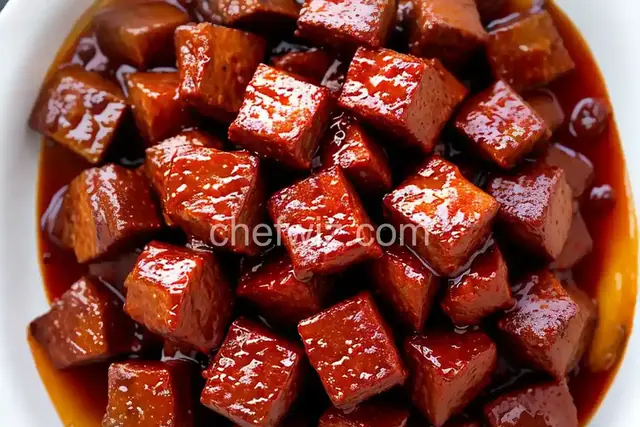
 If you're a barbecue enthusiast, you've probably heard of Kansas City-style burnt ends.
 By AprilPublished
 If you're a barbecue enthusiast, you've probably heard of Kansas City-style burnt ends.
In a medium bowl, sift together the brown sugar, granulated sugar, salt, chili powder, paprika, black pepper, cumin, garlic powder, onion powder, and cayenne pepper. Mix well and set aside.
Trim all hard fat from the brisket and trim the soft fat to 1/4 inch.
Prepare a smoker or grill according to the manufacturer's directions and stabilize the temperature at 220 degrees F.
Use a mild wood such as hickory or cherry for the smoke flavor.
Generously cover all sides of the brisket with the rub and gently massage it in. Reserve the leftover rub.
Smoke the meat until an instant-read thermometer inserted into the flat part of the brisket registers 170 to 185 degrees F. This will take approximately 1 hour per pound of meat. Monitor the internal temperature.
Separate the point of the meat from the flat. At this point, you can slice the flat part off the brisket and serve it.
Trim the visible fat from the brisket point and coat it with the reserved rub.
Return the meat to the smoker and continue cooking until the internal temperature of the brisket point reaches 200 degrees F.
Remove the brisket from the smoker and let it sit on a cutting board for 10 to 20 minutes.
Cut the brisket into chunks and transfer them to a serving platter.
12
If you're a barbecue enthusiast, you've probably heard of Kansas City-style burnt ends. These delectable bites of smoky, tender meat are a true delight for your taste buds. But have you ever wondered what makes them so special? In this article, we'll explore the origins of Kansas City-style burnt ends, their unique flavor profile, and how you can make them at home. So grab your apron and let's dive in!
Kansas City-style burnt ends emerged from the heart of America's barbecue capital, Kansas City. This style of barbecue is known for its rich, smoky flavors and its emphasis on slow-cooking techniques. Burnt ends were originally born out of necessity rather than intention. Pitmasters in Kansas City would trim the fatty end of a brisket to ensure even cooking, resulting in these caramelized, tender morsels that we now know and love.
One bite of Kansas City-style burnt ends and you'll experience a flavor explosion like no other. The bark, or outer crust, is beautifully caramelized, thanks to slow smoking over hardwood. The tender, juicy meat is infused with the smoky goodness of the wood, creating a harmony of flavors that will leave you craving more. The combination of sweet, tangy barbecue sauce and the natural umami of the meat makes for a truly irresistible treat.
Making Kansas City-style burnt ends is not a quick process. It requires time, patience, and a lot of love. The meat is slow-smoked for hours until it reaches the perfect level of tenderness. Then, it is cubed and tossed in a luscious barbecue sauce before being returned to the smoker to develop that signature caramelized bark. The result is a tender, flavorful bite that melts in your mouth and leaves you wanting more.
Now that you're familiar with the magic of Kansas City-style burnt ends, you might be wondering how to recreate them in your own backyard. While it may not be as easy as firing up the grill, with a little practice and patience, you can achieve barbecue greatness. Start by selecting a quality brisket and trimming off any excess fat. Season it generously with a dry rub of your choice, then let it rest in the refrigerator overnight to allow the flavors to penetrate the meat.
The next day, it's time to fire up the smoker. Set the temperature to a low and steady heat, around 225°F to 250°F. Place the brisket on the smoker and let it cook for several hours until it reaches an internal temperature of 165°F. At this point, remove the brisket from the smoker and wrap it tightly in foil. Return it to the smoker and continue cooking until it reaches an internal temperature of 195°F to 205°F. This is when the meat becomes tender and easily pulls apart.
Once the brisket is cooked to perfection, it's time to transform it into burnt ends. Carefully slice the brisket into bite-sized cubes, making sure to capture all those delicious juices. Toss the cubes in your favorite barbecue sauce, then return them to the smoker for another hour or so to develop that irresistible bark. When the burnt ends are beautifully caramelized and irresistibly tender, they're ready to be devoured.
Kansas City-style burnt ends are a barbecue lover's dream come true. With their smoky, tender goodness and irresistible flavor, they are truly a standout in the world of barbecue. Whether you're enjoying them at a renowned Kansas City barbecue joint or making them in your own backyard, the experience is sure to leave you craving more. So fire up the smoker, grab your favorite barbecue sauce, and indulge in the mouthwatering delight that is Kansas City-style burnt ends.
While burnt ends are traditionally made from brisket, you can experiment with other cuts of meat like pork shoulder or beef chuck. Just keep in mind that the cooking times and temperatures may vary.
While a smoker is ideal for achieving that authentic smoky flavor, you can still make delicious burnt ends using a charcoal or gas grill. Just set it up for indirect heat and use wood chips for added smokiness.
The entire process can take anywhere from 10 to 14 hours, depending on the size of the brisket and the cooking temperature. Remember, good things come to those who wait!
Absolutely! Once the burnt ends have cooled, you can store them in an airtight container or freezer bags and freeze them for up to three months. Just make sure to reheat them gently to maintain their tenderness.
Burnt ends pair perfectly with classic barbecue sides like coleslaw, baked beans, and cornbread. The combination of smoky meat and refreshing, tangy slaw is a match made in barbecue heaven.
While it's not the traditional method, you can still achieve delicious burnt ends in the oven. Cook the brisket low and slow at around 225°F until it reaches the desired internal temperature, then proceed with cubing and saucing before returning it to the oven to develop the bark.
Absolutely! While homemade barbecue sauce can add a personal touch, store-bought options work just as well. Choose a sauce that complements the flavors of the meat and adds a touch of sweetness and tanginess.
Leftover burnt ends can be reheated in the oven or on the stovetop. Just be careful not to overcook them, as they can become dry. Add a little barbecue sauce or broth to keep them moist and flavorful.
AprilCook, recipe developer and the heart of Chefwiz. More about April