Kamo Nanban Soba From 'Japanese Soul Cooking'
Rate this recipeBe the first to rate
 By AprilPublished
 Have you ever craved a bowl of warm, comforting noodles that transport you to a different world?
 By AprilPublished
 Have you ever craved a bowl of warm, comforting noodles that transport you to a different world?
In a saucepan, combine the dashi, kaeshi, and mirin. Bring to a boil over high heat, then remove from heat and set aside.
Trim off excess fat from the duck breasts. Cut crisscross notches about 1/8 inch deep into the duck's skin to prevent shrinking. Season the duck with salt on both sides.
Preheat a dry skillet over medium heat. Place the duck breasts in the skillet, skin side down, and cook for about 2 minutes until the skin browns and fat starts to render. Flip the duck and reduce the heat to low. Cook for another 3 minutes, then flip again so the skin side is down. Cook for 2 more minutes and transfer the duck to a cutting board. The duck should be cooked rare.
Discard the accumulated fat in the skillet and return it to the heat. Add the 1 1/2-inch pieces of negi and cook for about 1 minute until slightly caramelized. Transfer to a plate.
Thinly slice the duck and set aside.
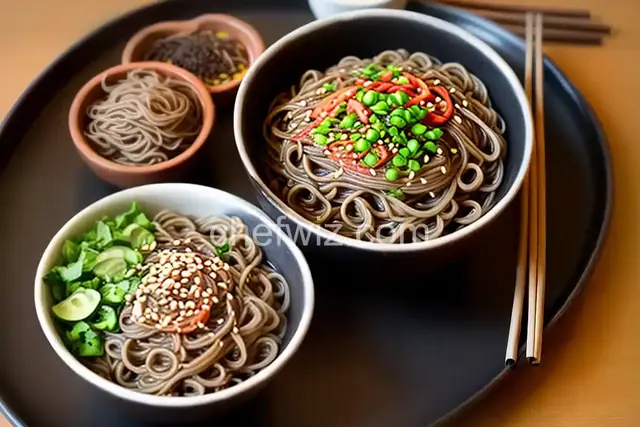
Bring at least 3 quarts of unsalted water to a boil in a pot. Add the soba noodles, making sure to remove the plastic band from each serving. Separate the noodles by swirling them with chopsticks. Cook the noodles for 4 minutes, then drain in a colander. If not serving immediately, cool the soba under cold water
Have you ever craved a bowl of warm, comforting noodles that transport you to a different world? Look no further than Kamo Nanban Soba, a delightful dish from Japan that will satisfy your soul. This traditional Japanese recipe combines the richness of duck meat with the freshness of soba noodles, creating a symphony of flavors that will leave you craving for more.
Just like a masterpiece created by a skilled artist, Kamo Nanban Soba is a culinary work of art. The tender and succulent duck meat, marinated in a savory sauce, is the star of this dish. Its rich flavors are perfectly balanced by the lightness of the soba noodles, creating a harmonious melody on your taste buds.
Imagine the tender duck meat melting in your mouth, accompanied by the chewy texture of the soba noodles. The combination is like a dance between two lovers, each complementing the other's strengths and weaknesses. This is the essence of Kamo Nanban Soba.
One of the key elements that make Kamo Nanban Soba truly special is the secret sauce. This delicious concoction is made from a blend of soy sauce, mirin, sake, and a hint of ginger. The sauce not only enhances the flavor of the duck meat but also adds a tangy and slightly sweet note to the dish.
Just like a secret ingredient in a recipe, the sauce is the magic touch that elevates Kamo Nanban Soba to another level. It adds depth and complexity to the dish, taking your taste buds on a journey of flavors.
Kamo Nanban Soba is a dish that is deeply rooted in Japanese tradition. It pays homage to the ancient art of soba noodle making, which dates back centuries. The soba noodles used in this dish are made from buckwheat flour, giving them a unique nutty flavor and a delicate texture.
When you take a bite of Kamo Nanban Soba, you are not only savoring a delicious meal but also immersing yourself in the rich cultural heritage of Japan. It's a culinary experience that transcends borders and connects people through the language of food.
Kamo Nanban Soba originates from Kyoto, Japan. It is a dish that is closely associated with the region and its culinary traditions.
While traditional Kamo Nanban Soba uses duck meat, you can certainly experiment with other proteins like chicken. However, keep in mind that the flavor profile may be slightly different.
Soba noodles are typically made from buckwheat flour, which is naturally gluten-free. However, some brands may mix in wheat flour, so it's important to check the packaging if you have a gluten intolerance.
Yes, you can make a vegetarian version of Kamo Nanban Soba by substituting the duck meat with tofu or other plant-based proteins. Just make sure to adjust the seasoning accordingly.
The cooking time for Kamo Nanban Soba can vary depending on your skill level and the specific recipe you're following. On average, it takes about 30-45 minutes to prepare this dish.
Yes, you can freeze leftover Kamo Nanban Soba for future meals. Just make sure to store it in an airtight container and consume it within a few months.
Common garnishes for Kamo Nanban Soba include green onions, shredded nori (seaweed), and tempura flakes. These add extra texture and flavor to the dish.
Kamo Nanban Soba is not typically spicy, but you can adjust the spice level to your preference by adding chili oil or other spicy condiments.
In conclusion, Kamo Nanban Soba is a tantalizing dish that combines the best of Japanese flavors and traditions. Its rich and delicate flavors, along with the chewy texture of soba noodles, create a culinary experience that is truly unforgettable. Whether you're a fan of Japanese cuisine or simply looking to try something new, Kamo Nanban Soba is a dish that will leave you craving for more.
AprilCook, recipe developer and the heart of Chefwiz. More about April