Kabocha Squash
Rate this recipeBe the first to rate
 By AprilPublished
 When it comes to adding flavor, color, and nutrition to your meals, look no further than kabocha squash.
 By AprilPublished
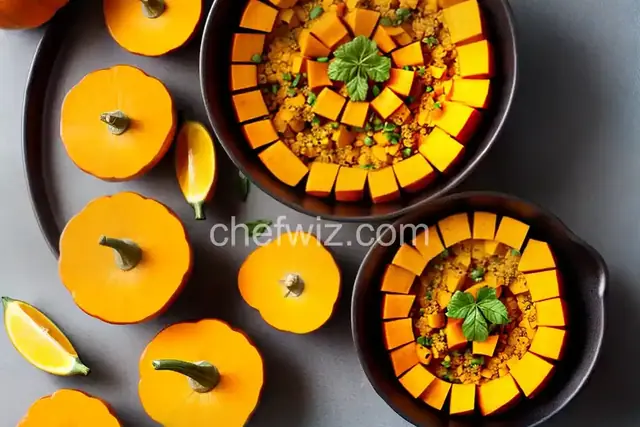
 When it comes to adding flavor, color, and nutrition to your meals, look no further than kabocha squash.
Preheat the oven to 400°F and cover a baking sheet with aluminum foil.
Cut the squash in half and remove the seeds and pulp. You can save the seeds for another use, like roasting.
Slice the squash into 1 ½ inch half-moon shapes and place them on the prepared baking sheet.
Drizzle the squash slices with oil and season with salt and pepper to your taste. Toss them to make sure they are evenly coated and spread them out in a single layer on the baking sheet.
Roast the squash in the oven, flipping the slices halfway through, until they are tender and starting to brown. This should take around 30 to 35 minutes.
While the squash is roasting, melt the butter in a small saucepan over medium-low heat. Cook it until the foam subsides and continue stirring constantly until the butter turns brown and smells like caramel. This should take about 2 to 3 minutes.
Remove the butter from the heat immediately and stir in the soy sauce and maple syrup. Stir for about 20 seconds until everything is well combined and slightly cooled.
Return the saucepan to medium heat, bring it to a simmer, and cook for 1 to 2 minutes, or until the sauce slightly thickens.
Transfer the roasted squash to a serving platter and drizzle the maple soy brown butter sauce over it.
When it comes to adding flavor, color, and nutrition to your meals, look no further than kabocha squash. This humble vegetable, also known as Japanese pumpkin, is a powerhouse of taste and health benefits. Whether you're a seasoned cook or a beginner in the kitchen, kabocha squash is a versatile ingredient that can elevate your dishes to new heights. In this article, we will explore the various ways you can incorporate kabocha squash into your meals and discover the numerous health benefits it offers.
Imagine a vegetable that combines the sweetness of a butternut squash with the creaminess of a sweet potato. That's kabocha squash for you! Its rich and velvety texture, paired with its naturally sweet and nutty flavor, makes it a delightful addition to any dish. Whether you roast it, steam it, or puree it, kabocha squash adds a depth of flavor that will leave your taste buds craving for more.
One of the best ways to enjoy the unique taste of kabocha squash is by roasting it. Simply cut the squash into wedges, drizzle with olive oil, sprinkle with salt and pepper, and roast in the oven until tender and caramelized. The result is a dish that is both visually appealing and bursting with flavor. The natural sweetness of the squash intensifies during the roasting process, creating a caramelized outer layer that is irresistible.
If you're looking for a healthier way to enjoy kabocha squash, steaming is the way to go. Steaming helps retain the squash's nutrients while maintaining its natural sweetness and vibrant color. Simply cut the squash into cubes, place in a steamer basket, and steam until tender. The result is a tender and flavorful vegetable that can be enjoyed on its own or added to salads, stir-fries, or soups.
Not only does kabocha squash delight your taste buds, but it also provides a wide range of health benefits. This vegetable is low in calories and high in fiber, making it a great choice for weight management. It is also rich in vitamins A, C, and E, as well as potassium and beta-carotene. These nutrients contribute to a healthy immune system, improved eye health, and a reduced risk of chronic diseases.
Kabocha squash is packed with immune-boosting vitamins and antioxidants. Vitamin C helps strengthen your immune system, while beta-carotene converts into vitamin A, which plays a crucial role in maintaining the health of your skin and mucous membranes. Including kabocha squash in your meals can help keep those cold and flu viruses at bay.
The vibrant orange color of kabocha squash is a telltale sign of its high beta-carotene content. Beta-carotene is converted into vitamin A in the body, which is essential for good vision. Eating foods rich in beta-carotene, such as kabocha squash, can help prevent age-related macular degeneration and promote overall eye health.
Kabocha squash is not just a vegetable, it's a culinary delight that adds depth and flavor to your meals. Its sweet and nutty taste, combined with its versatility and health benefits, make it a must-have ingredient in your kitchen. Whether you're roasting it, steaming it, or using it in your favorite recipes, kabocha squash is sure to impress. So why not give it a try and elevate your cooking to a whole new level?
When choosing a ripe kabocha squash, look for one that feels heavy for its size and has a hard, deep green skin. Avoid squash with soft spots or blemishes.
Absolutely! The skin of kabocha squash is edible and adds a delightful texture to your dishes. Just make sure to wash it thoroughly before cooking.
Kabocha squash can last for several weeks if stored in a cool, dry place. Once cut, wrap the remaining squash tightly in plastic wrap and refrigerate for up to 5 days.
Yes, you can freeze kabocha squash. Simply peel, remove the seeds, and cut it into cubes. Blanch the cubes in boiling water for a few minutes, then transfer to an airtight container or freezer bag. It can be stored in the freezer for up to 3 months.
Kabocha squash can be used in a variety of recipes, including soups, stews, curries, risottos, and even desserts. It can be mashed, roasted, pureed, or added to your favorite dishes for a burst of flavor.
Yes, kabocha squash can be a great alternative to pumpkin in many recipes. Its sweet and creamy flesh makes it a perfect substitute for pumpkin in pies, bread, and other baked goods.
Kabocha squash is generally well-tolerated and not known to cause allergies. However, if you have a known allergy to other types of winter squash, it's best to consult with your healthcare provider before consuming kabocha squash.
Absolutely! Kabocha squash can be grown in your own garden, provided you have the right climate and growing conditions. It requires full sun, well-drained soil, and regular watering. With some care and patience, you can enjoy the satisfaction of growing your own kabocha squash.
AprilCook, recipe developer and the heart of Chefwiz. More about April