Junior's Sponge Cake Crust
Rate this recipeBe the first to rate
 By AprilPublished
 Have you ever wondered what makes a cake taste so heavenly? The secret lies in the crust!
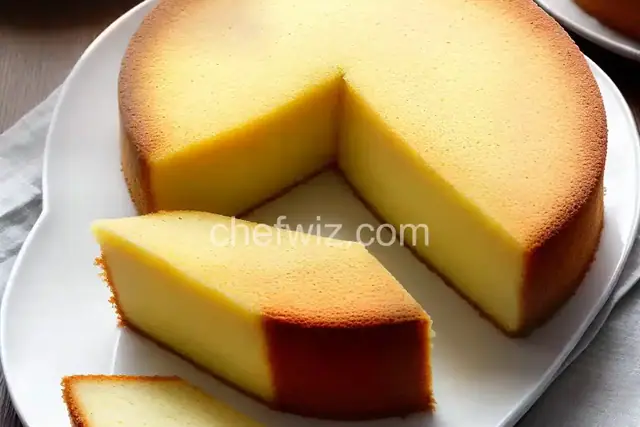 By AprilPublished
 Have you ever wondered what makes a cake taste so heavenly? The secret lies in the crust!
Preheat the oven to 350°F and generously grease a 9- or 8-inch springform pan, preferably nonstick.
Wrap the bottom and sides of the pan with aluminum foil, ensuring it extends all the way up the side.
In a small bowl, sift together the flour, baking powder, and salt.
In a large bowl, use an electric mixer to beat the egg yolks on high for 3 minutes.
Gradually add 2 tablespoons of sugar while the mixer is running, continue beating until the mixture forms thick, light yellow ribbons (about 5 minutes).
Beat in the extracts (such as vanilla or almond).
Sift the flour mixture over the batter and gently stir it in until no white flecks remain.
Blend in the melted butter.
In another clean bowl, beat the egg whites and cream of tartar together on high until frothy.
Gradually add the remaining sugar and continue beating until stiff peaks form (the whites should stand up and look glossy, not dry).
Fold about one-third of the whites into the batter, then fold in the remaining whites. Don't worry if there are still a few white specks.
Gently spread the batter over the bottom of the prepared pan and bake for about 10 minutes, or until set and golden.
Check if
Have you ever wondered what makes a cake taste so heavenly? The secret lies in the crust! Just like a strong foundation supports a magnificent building, a sponge cake crust is the backbone of a delicious cake. In this article, we will explore the wonders of Junior's Sponge Cake Crust, uncover its importance, and provide answers to some frequently asked questions about this delectable dessert.
Imagine sinking your teeth into a slice of cake that melts in your mouth, leaving behind a burst of flavors. That's the power of a well-made sponge cake crust. It acts as a protective shield, keeping the cake moist and preventing it from becoming dry and crumbly. The crust also adds a delightful texture and enhances the overall taste of the cake.
Just like a puzzle, each ingredient in the sponge cake crust plays a crucial role. The combination of flour, sugar, butter, and eggs creates a delicate balance of sweetness and richness. It's like a harmonious symphony where each note complements the other, resulting in a masterpiece.
One of the defining characteristics of a sponge cake crust is its light and airy texture. It's like biting into a fluffy cloud that gently dissolves on your tongue. This is achieved through the careful process of beating the eggs and sugar together until they reach a pale and creamy consistency. The air bubbles trapped within the batter expand during baking, giving the crust its signature sponginess.
Not only does the sponge cake crust provide an incredible texture, but it also acts as a canvas for flavor. The subtle sweetness and buttery notes of the crust complement any filling or frosting that adorns the cake. It's like a blank page waiting to be filled with a beautiful story.
Junior's Sponge Cake Crust is the secret to creating a cake that will leave your taste buds dancing with joy. Its light and airy texture, combined with its ability to enhance flavors, make it a must-have for any cake enthusiast. So, go ahead and try your hand at mastering the art of Junior's Sponge Cake Crust. Your friends and family will be begging for another slice!
The recipe for Junior's Sponge Cake Crust calls for all-purpose flour, but you can experiment with different types of flour to suit your preferences. Just keep in mind that the texture and taste may vary.
While you can use margarine as a substitute for butter, it may alter the flavor and texture of the crust. Butter provides a rich and creamy taste that is hard to replicate.
Beating the eggs and sugar together is a crucial step in creating the perfect sponge cake crust. It usually takes around 5-7 minutes of continuous beating until the mixture becomes pale and creamy.
Absolutely! If you want to infuse your crust with additional flavors, you can add a teaspoon of vanilla extract or other extracts of your choice. Just be mindful not to overpower the delicate taste of the cake.
To prevent your crust from drying out, it's essential to store the cake properly. Wrap it tightly in plastic wrap or place it in an airtight container to maintain its moisture. You can also brush a simple syrup over the crust before adding the filling to keep it moist.
Yes, you can freeze the sponge cake crust for future use. Make sure to wrap it tightly in plastic wrap and place it in a freezer-safe bag or container. Thaw it in the refrigerator before using.
While the recipe recommends using a specific pan size, you can use a different pan as long as it has similar dimensions. Just keep an eye on the baking time, as it may vary slightly.
Definitely! The versatility of the sponge cake crust allows you to use it as a base for various desserts. Whether you're making a trifle, a layered cake, or a fruity tart, the sponge cake crust will never disappoint.
AprilCook, recipe developer and the heart of Chefwiz. More about April