Jjamppong (Korean Spicy Seafood Noodle Soup)
Rate this recipeBe the first to rate
 By AprilPublished
 Are you ready to dive into a bowl of fiery, flavorful goodness?
 By AprilPublished
 Are you ready to dive into a bowl of fiery, flavorful goodness?
Cook the noodles: In a large pot of boiling water, cook the noodles until they are soft and no longer raw, which should take about 4 to 6 minutes.
Rinse the cooked noodles thoroughly under cold water.
Drain the noodles and set them aside.
Make the Jjamppong: In a large pot over high heat, heat 2 tablespoons of sesame oil and add the pork belly. Cook for about 2 minutes until the pork is no longer pink.
Add the garlic and ginger, and cook for another minute until fragrant.
Mix in the cabbage, onion, carrot, soy sauce, and fish sauce. Cook and stir often until the vegetables soften, which should take about 3 minutes.
Quickly stir in the gochugaru and gochujang so that all the vegetables are somewhat coated. Be sure to work fast to prevent the gochugaru from burning.
Stir in the broth, then add the mussels, clams, and shrimp.
Bring the mixture to a boil, then reduce to a simmer. Cook until the mussels and clams have opened up and the shrimp is cooked through, which should take about 5 to 7 minutes.
Continue to cook the soup until the mussels and clams have released their liquid and the flavor of the broth is enhanced, which should take about 6 to
Are you ready to dive into a bowl of fiery, flavorful goodness? Look no further than Jjamppong, a Korean spicy seafood noodle soup that will tantalize your taste buds and leave you craving for more. In this article, we will explore the history, ingredients, and the delightful experience of indulging in this popular Korean dish. So, grab your chopsticks and get ready to embark on a culinary adventure!
Like many beloved dishes, Jjamppong has an interesting origin story. It is said to have been created by Chinese immigrants in Korea, who adapted their traditional spicy seafood noodle soup to suit the local taste. Over time, Jjamppong has evolved into a quintessential Korean dish, loved by locals and visitors alike.
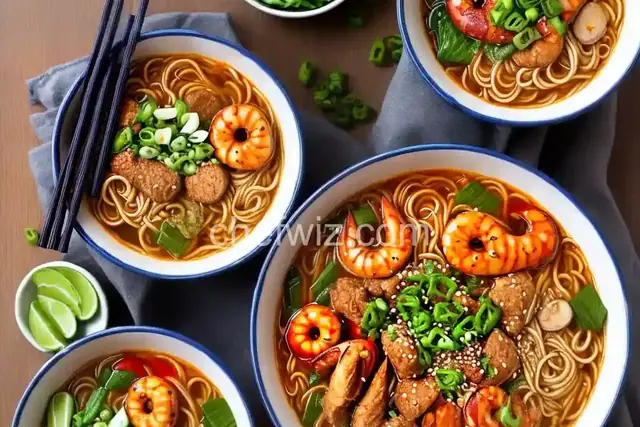
One of the most captivating aspects of Jjamppong is its fiery flavor profile. The broth is rich, spicy, and packed with umami notes. It is usually made by simmering a combination of seafood, such as shrimp, clams, and squid, with vegetables, spices, and gochugaru (Korean red pepper flakes). The result is a broth that is both comforting and invigorating, with a deep complexity of flavors.
What sets Jjamppong apart from other noodle soups is the choice of noodles. Unlike ramen or udon, Jjamppong typically uses thicker and chewier noodles, such as wheat noodles or udon noodles. These noodles have a firm texture that holds up well in the robust broth, adding a pleasant chewiness to each bite.
When you take your first spoonful of Jjamppong, you'll be greeted with a symphony of flavors and textures. The spicy broth will warm your soul, while the medley of seafood and vegetables will provide a delightful crunch and burst of freshness. The noodles, perfectly cooked and coated in the flavorsome broth, will transport you to foodie heaven.
Just like any other dish, the experience of enjoying Jjamppong is enhanced when shared with friends and loved ones. Gather around a table, clink your spoons, and savor the flavors together. The communal aspect of dining adds an extra layer of enjoyment to this already delightful dish.
The spiciness in Jjamppong comes from gochugaru, Korean red pepper flakes. It gives the dish its signature heat and depth of flavor.
Yes, you can! Simply replace the seafood with tofu or your favorite plant-based protein. The flavors will still be delicious.
Traditionally, Jjamppong is made with wheat noodles, which contain gluten. However, you can find gluten-free noodles or substitute them with rice noodles for a gluten-free version.
Absolutely! Feel free to add or omit ingredients based on your preferences. You can experiment with different types of seafood, vegetables, or even add a touch of your favorite spices.
Jjamppong can be quite spicy, depending on the amount of gochugaru used. Adjust the spiciness to your liking by adding more or less red pepper flakes.
Jjamppong is best enjoyed fresh, as the flavors are at their peak. However, you can prepare the broth in advance and store it in the refrigerator. Cook the noodles and add the seafood and vegetables just before serving.
Jjamppong is a complete meal on its own, but you can serve it with a side of kimchi, pickled radishes, or a simple green salad to complement the flavors.
Jjamppong is a nutritious dish that is rich in seafood, vegetables, and protein. However, the sodium content can be high, so it's best enjoyed in moderation as part of a balanced diet.
In conclusion, Jjamppong is a spicy seafood noodle soup that will take your taste buds on an unforgettable journey. With its origins rooted in Chinese cuisine and its adaptation to the Korean palate, Jjamppong is a testament to the beauty of culinary fusion. So, the next time you're looking for a hearty and spicy soup to warm your soul, give Jjamppong a try. Your taste buds will thank you!
AprilCook, recipe developer and the heart of Chefwiz. More about April