Jeweled Rice
Rate this recipeBe the first to rate
 By AprilPublished
 Have you ever tasted a dish that not only satisfies your palate but also dazzles your eyes?
 By AprilPublished
 Have you ever tasted a dish that not only satisfies your palate but also dazzles your eyes?
Preheat the oven to 350°.
Spread pistachios on a rimmed baking sheet and toast them until they start to brown, which should take about 4 minutes. Then, transfer them to a plate and let them cool. Once cooled, roughly chop the pistachios.
Spread almonds on the same baking sheet and toast them until they turn golden brown, which should take about 5-8 minutes. Let them cool, and then set them aside.
Place the rice in a fine-mesh sieve and rinse it under cold water until the water runs clear.
Cook the rice in a large pot of boiling salted water, stirring occasionally. Cook until the grains have lengthened but are still firm, which should take about 6-7 minutes. Drain the rice and rinse it under cold water. Spread the rice on another rimmed baking sheet and let it cool.
Using a vegetable peeler, remove the zest from the orange and thinly slice it lengthwise. Reserve the flesh of the orange for another use.
In a medium saucepan, bring sugar and 1 cup of water to a boil, stirring to dissolve the sugar. Add the orange zest and carrots to the saucepan. Reduce the heat and simmer, stirring occasionally, until the carrots are tender, which should take about 15-20 minutes. Drain the carrots and set them aside, discarding the syrup.
In a small bowl,
Have you ever tasted a dish that not only satisfies your palate but also dazzles your eyes? Jeweled rice is one such culinary masterpiece that combines flavors, colors, and textures to create a truly delightful experience. This article will take you on a journey to explore the origins, ingredients, and cultural significance of jeweled rice. So, grab a seat and get ready to discover the hidden treasure of the culinary world.
Jeweled rice, also known as Persian rice or Morasa Polo, originated in ancient Persia, where it was reserved for special occasions and royal feasts. The dish was named "jeweled" due to the vibrant colors of the ingredients used, resembling precious gemstones. Over time, it spread its wings and became a beloved dish in various Middle Eastern and South Asian cuisines.
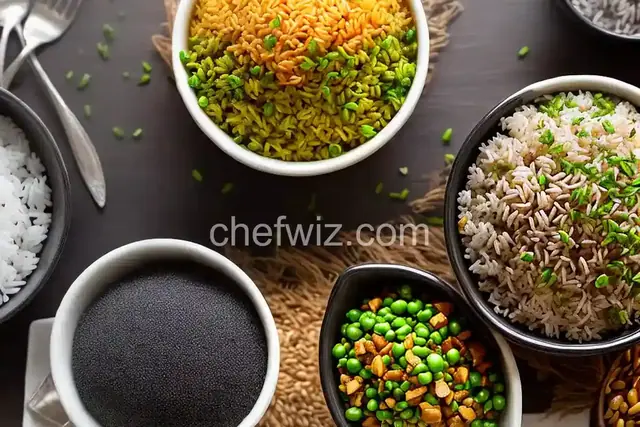
At the heart of jeweled rice lies a fragrant and fluffy basmati rice, cooked to perfection. But what truly makes this dish special are the gem-like ingredients that adorn the rice. Imagine biting into a spoonful of tender saffron-infused rice, studded with a kaleidoscope of jewel-toned dried fruits, nuts, and aromatic spices.
Just like a jeweler carefully selects the finest gemstones, jeweled rice invites a selection of dried fruits to add a burst of sweetness and texture. Raisins, barberries, apricots, and cranberries come together to create a symphony of flavors that dance on your taste buds.
In Persian culture, food is not merely sustenance but a way of expressing love, hospitality, and celebration. Jeweled rice, with its intricate preparation and opulent presentation, embodies the rich traditions and values of Persian cuisine. It is often served during weddings, New Year celebrations, and other joyous occasions, symbolizing abundance, prosperity, and good fortune.
Just as a painting mesmerizes the eyes and a symphony enchants the ears, jeweled rice captivates all your senses. The aroma of saffron and spices fills the air, while the vibrant colors on your plate create a visual feast. Each bite is a symphony of flavors and textures, with the delicate rice mingling with the sweetness of dried fruits and the crunch of nuts.
Like a treasure chest waiting to be discovered, jeweled rice invites you to embark on a culinary adventure. Whether you savor it at a Persian restaurant or try your hand at making it yourself, each bite will transport you to a world of opulence and elegance. So, why not indulge in this culinary treasure and experience the magic of jeweled rice?
Jeweled rice is not just a dish; it is a culinary masterpiece that tantalizes your taste buds and captivates your senses. With its origins rooted in ancient Persia and its cultural significance as a symbol of celebration and abundance, jeweled rice is a treasure worth exploring. So, next time you crave a dish that is as beautiful as it is delicious, indulge in the magic of jeweled rice and embark on a gastronomic adventure like no other.
Jeweled rice is elevated by the addition of dried fruits, nuts, and aromatic spices, giving it a burst of flavors and textures that regular rice lacks.
Absolutely! Jeweled rice allows for creativity and personalization. You can experiment with different combinations of dried fruits and nuts to create your own unique version.
While jeweled rice requires some effort and attention to detail, it is not overly complicated. With a good recipe and a bit of practice, you can master the art of making jeweled rice.
Yes, jeweled rice can be easily adapted to suit vegetarian or vegan diets by omitting or substituting any animal-based ingredients.
Jeweled rice pairs beautifully with a variety of dishes such as grilled meats, kebabs, stews, or even as a standalone vegetarian main course.
Yes, you can freeze jeweled rice. Just make sure to store it in an airtight container and thaw it properly before reheating.
Yes, jeweled rice has inspired variations in different cuisines. For example, Indian cuisine has a similar dish called "Biryani," which also features fragrant rice with an array of spices, meats, and vegetables.
Certainly! While there are traditional ingredients used in jeweled rice, you can add your own twists by incorporating vegetables, herbs, or even protein such as chicken or lamb.
AprilCook, recipe developer and the heart of Chefwiz. More about April