Jarred Tomatoes
Rate this recipeBe the first to rate
 By AprilPublished
 Are you tired of spending hours in the kitchen chopping and simmering tomatoes for your favorite pasta sauce or stew?
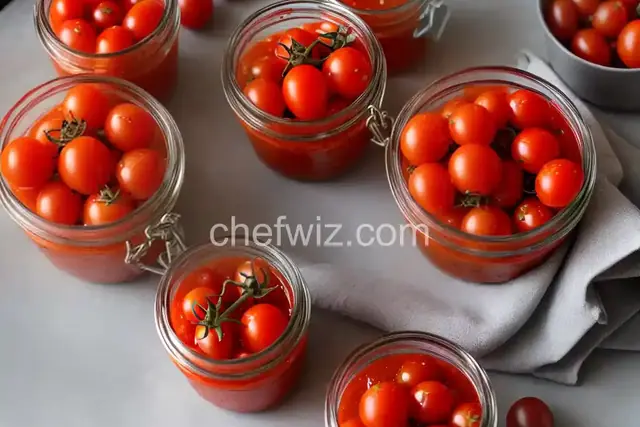 By AprilPublished
 Are you tired of spending hours in the kitchen chopping and simmering tomatoes for your favorite pasta sauce or stew?
Prepare the jars: Wash the jars, lids, and bands with hot soapy water and rinse them thoroughly. Place a folded clean kitchen towel or canning rack at the bottom of a stockpot to prevent the jars from rattling. Fill the pot halfway with water. Submerge the jars in the pot and bring it to a boil. Boil for 10 minutes, then use a jar lifter to remove the jars and place them on a clean towel. Set aside the pot of water. Place the lids and bands in a saucepan of simmering water (do not boil) until ready to use.
Cook the tomatoes: In another stockpot, bring water to a boil. Add the onion, celery, and garlic, and cook until they are just tender (approximately 8 minutes). Add the tomatoes (in batches if necessary) and cook until they split and rise to the top (approximately 5 minutes). Strain the vegetables, discarding the celery stalks but keeping the leaves for flavor.
Puree the tomatoes: Set a food mill over a large bowl. Working in batches, pass the tomatoes and vegetables through the mill, occasionally scraping the bottom with a fork. Stir in 2 tablespoons of salt, then add the citric acid to ensure a safe acidity level for canning.
Fill the jars: Remove the lids and bands from the hot water using tongs, and place them on a clean towel to dry. Place 3
Are you tired of spending hours in the kitchen chopping and simmering tomatoes for your favorite pasta sauce or stew? Look no further than jarred tomatoes, a convenient and flavorful alternative that can save you time and effort in the kitchen. In this article, we will explore the benefits of using jarred tomatoes, how to incorporate them into your recipes, and answer some frequently asked questions about this versatile ingredient.
One of the main advantages of using jarred tomatoes is the convenience they offer. Instead of spending time peeling, seeding, and dicing fresh tomatoes, you can simply open a jar and have ready-to-use tomatoes at your disposal. Whether you're making a quick weeknight meal or preparing a feast for guests, jarred tomatoes can significantly cut down your prep time and make cooking a breeze.
Not only do jarred tomatoes save you time, but they also ensure consistency in your recipes. Fresh tomatoes can vary in flavor and acidity depending on the season and variety. With jarred tomatoes, you can have a consistent flavor profile every time, allowing you to recreate your favorite dishes with precision.
Jarred tomatoes can be used in a wide range of recipes, from classic Italian pasta sauces to hearty stews and soups. Here are a few ideas to get you started:
Simply heat up some jarred tomatoes with garlic, onions, and your favorite herbs and spices for a quick and delicious pasta sauce. You can also add cooked meat or vegetables to customize the sauce to your liking.
Add a jar of tomatoes to your favorite stew or soup recipe for added depth and flavor. The tomatoes will contribute a rich and tangy taste that pairs well with a variety of ingredients.
Blend jarred tomatoes with onions, garlic, and chili peppers for a homemade salsa or dip. You can adjust the spice level to suit your preferences and serve it with tortilla chips or as a topping for grilled meats.
Jarred tomatoes are a versatile ingredient that can add flavor and convenience to your cooking. Whether you're making a simple pasta sauce or a hearty stew, jarred tomatoes provide a consistent and delicious base for your recipes. By incorporating jarred tomatoes into your cooking routine, you can save time without compromising on taste. So why not give them a try and discover the endless possibilities they offer?
Yes, jarred tomatoes retain most of their nutritional value. The canning process preserves the vitamins and minerals present in fresh tomatoes, making them a healthy choice for your meals.
Yes, you can freeze jarred tomatoes for future use. Transfer the contents of the jar into a freezer-safe container and store them for up to six months. Thaw the tomatoes in the refrigerator before using.
Most jarred tomatoes are free from common allergens like gluten and dairy. However, it's always a good idea to check the label for any specific dietary restrictions or concerns.
Absolutely! Jarred tomatoes can be the perfect base for a delicious homemade pizza sauce. Simply blend them with garlic, herbs, and a pinch of sugar for a flavorful sauce that will elevate your pizza game.
Some jarred tomatoes may contain added preservatives to prolong their shelf life. If you prefer preservative-free options, look for brands that offer organic or all-natural varieties.
Jarred tomatoes are typically used in cooked dishes, but you can certainly experiment with incorporating them into cold salads. Their concentrated flavor can add a unique twist to your salad creations.
The shelf life of jarred tomatoes varies depending on the brand and storage conditions. Generally, they can be stored for up to one year in a cool, dry place. Once opened, refrigerate the remaining contents and use them within a week.
Absolutely! Jarred tomatoes can be a convenient substitute for fresh tomatoes in most recipes. Just be mindful of the texture difference, as jarred tomatoes may be softer than fresh ones.
AprilCook, recipe developer and the heart of Chefwiz. More about April