Japanese Cold Noodles
Rate this recipeBe the first to rate
 By AprilPublished
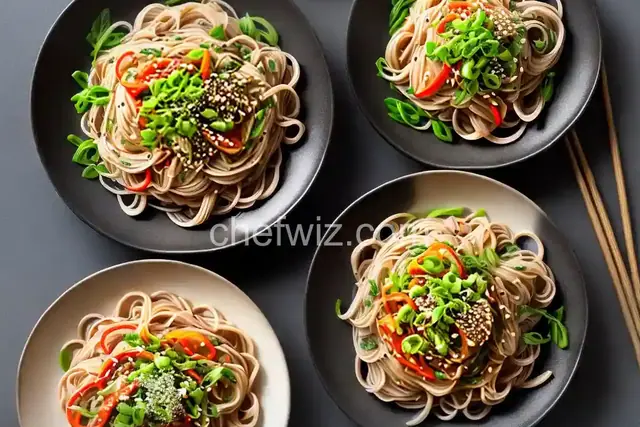
 When it comes to refreshing summer dishes, Japanese cold noodles are a top choice.
 By AprilPublished
 When it comes to refreshing summer dishes, Japanese cold noodles are a top choice.
Heat the ingredients for the dipping sauce in a small saucepan over low heat, stirring until the sugar is dissolved.
Allow the sauce to cool, then cover and refrigerate for about 1 hour until it is cold.
In a 4-quart saucepan, bring 2 1/2 quarts of water to a rolling boil over moderately high heat.
Add the noodles to the boiling water and also add 1 cup more water.
Once the water returns to a boil, add 1 cup of cold water and bring it back to a boil.
Simmer the noodles for about 2 minutes until they are just tender and slightly translucent.
Test the noodles for doneness by dipping one strand in cold water and sampling it. If the noodles are not tender, add 1 cup more water and return the water to a boil.
Drain the noodles in a colander and rinse them well under cold water.
Divide the noodles among 6 bowls filled with ice and cold water.
Divide the dipping sauce among 6 small bowls and serve it with accompaniments for flavoring.
Dip each mouthful of noodles into the sauce before eating.
When it comes to refreshing summer dishes, Japanese cold noodles are a top choice. These chilled noodles, known as "hiyashi chuka" in Japan, are a perfect way to beat the heat while enjoying a delicious meal. In this article, we will explore the history, flavors, and popular variations of Japanese cold noodles. Let's dive in!
Japanese cold noodles have a fascinating history that dates back to the early 20th century. Originally inspired by Chinese cuisine, chilled noodles became popular in Japan during the hot summer months. The dish quickly gained popularity due to its refreshing taste and ability to satisfy hunger without weighing you down.
Over time, Japanese cold noodles evolved to incorporate unique flavors and toppings. Today, they are considered a staple in Japanese cuisine, enjoyed by people of all ages. Whether you're a noodle enthusiast or just looking for a light and flavorful meal, Japanese cold noodles are a must-try.
Japanese cold noodles offer a wide range of flavors and variations to suit different taste preferences. The base of the dish typically consists of chilled noodles, such as ramen or udon, tossed in a tangy and savory sauce. This sauce is often made from soy sauce, vinegar, sesame oil, and other seasonings.
One popular variation of Japanese cold noodles is called "tanuki hiyashi chuka," which features crispy tempura flakes on top. This adds a delightful crunch to the dish and enhances the overall texture. Another variation is "tororo hiyashi chuka," where grated yam is added for a unique and slimy texture that is surprisingly enjoyable.
For those who prefer a spicier kick, "karashi hiyashi chuka" is a great choice. This variation includes a dollop of spicy mustard on top, which adds heat and depth to the dish. Whether you prefer a mild or bold flavor profile, there is a Japanese cold noodle variation that will satisfy your cravings.
Japanese cold noodles are a delicious and refreshing dish that offers a variety of flavors and options to suit different preferences. Whether you enjoy them in the summer or all year round, these chilled noodles are sure to satisfy your cravings. So why not give them a try and discover the delightful world of Japanese cold noodles?
Absolutely! Making Japanese cold noodles at home is a fun and rewarding experience. You can easily find pre-packaged chilled noodles at Asian grocery stores or make your own from scratch. Follow a simple recipe and get creative with toppings and flavors to create your own unique version of this refreshing dish.
While Japanese cold noodles are most popular during the summer months, they can be enjoyed year-round. The refreshing nature of the dish makes it a great choice for hot weather, but it can also be a lighter alternative to hot noodle soups in the colder seasons.
Yes, there are plenty of vegetarian and vegan options available for Japanese cold noodles. Substitute the meat or seafood toppings with tofu, tempeh, or a variety of fresh vegetables. You can also explore different plant-based sauces and seasonings to add depth of flavor to your dish.
Absolutely! Japanese cold noodles are highly customizable, allowing you to experiment with different toppings and flavors. From thinly sliced cucumbers and carrots to pickled ginger and sesame seeds, the possibilities are endless. Get creative and tailor the toppings to your taste preferences.
Yes, there are gluten-free options available for Japanese cold noodles. Look for gluten-free noodles made from rice, buckwheat, or other alternative grains. Additionally, make sure to use gluten-free soy sauce or tamari in the sauce to keep the dish gluten-free.
Japanese cold noodles can be a healthy meal option, especially when packed with fresh vegetables and lean protein. The noodles themselves are low in fat and can provide a good source of carbohydrates. However, be mindful of the sauce and toppings, as they can add calories and sodium. Opt for lighter sauces and choose toppings wisely to maintain a balanced meal.
While Japanese cold noodles are best enjoyed fresh, you can eat them as leftovers. However, keep in mind that the noodles may become softer and the flavors may intensify. To maintain the best texture and taste, store the noodles and toppings separately and assemble them just before serving.
Japanese cold noodles can offer several health benefits. They are often packed with fresh vegetables, which provide essential vitamins and minerals. The noodles themselves can provide a good source of energy, and the dish is generally lighter compared to hot noodle soups. However, it's important to maintain a balanced diet and consume Japanese cold noodles in moderation.
AprilCook, recipe developer and the heart of Chefwiz. More about April