Japanese Cheesecake
Rate this recipeBe the first to rate
 By AprilPublished
 Who doesn't love a light and fluffy cheesecake that practically melts in your mouth?
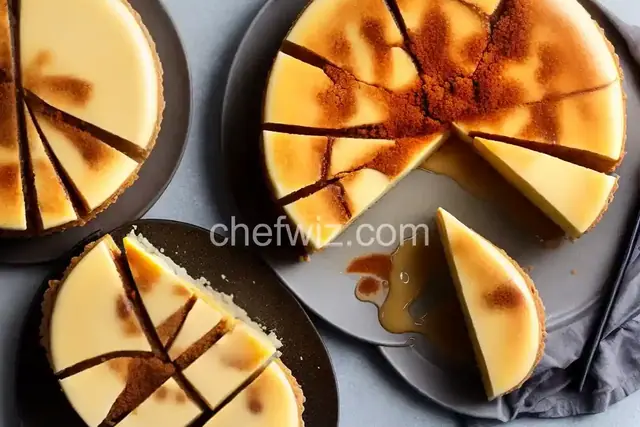 By AprilPublished
 Who doesn't love a light and fluffy cheesecake that practically melts in your mouth?
Preheat the oven to 300 degrees F.
Grease a 9-inch round cake pan with cooking spray and line the bottom with parchment paper.
Place a strip of parchment paper around the inside of the pan, extending about 1 inch higher than the edge.
Heat the cream cheese, milk, and butter in a small saucepan over medium heat until smooth. Let it cool slightly.
In a large bowl, whisk together the vanilla, egg yolks, and lemon juice until smooth.
Pour the cooled milk mixture into the yolk mixture and whisk until smooth.
Add the flour and cornstarch to the mixture and whisk until combined. Set aside.
In another large bowl, beat the egg whites, cream of tartar, and salt until soft peaks form.
Slowly add the granulated sugar and continue beating until stiff peaks form.
Gently fold the egg white mixture into the yolk mixture in 3 batches, being careful not to overmix.
Pour the batter into the prepared pan.
Place the cake pan inside a larger pan and pour hot water into the larger pan so that it comes up about 1 inch up the sides of the cake pan.
Bake for 30 minutes, then reduce the oven temperature to 250 degrees F and continue baking for about 1 hour and 15 minutes, or until the cake is doubled in size, golden brown on
Who doesn't love a light and fluffy cheesecake that practically melts in your mouth? Japanese cheesecake is a delectable dessert that has taken the world by storm. Its unique texture and delicate flavor make it a favorite among many. In this article, we will explore the beauty of Japanese cheesecake and uncover the secrets behind its incredible taste.
Japanese cheesecake, also known as cotton cheesecake, originated in Japan and has gained popularity worldwide. It is a fusion of Western-style cheesecake and traditional Japanese ingredients. The result is a cake that is incredibly light, airy, and less sweet compared to its Western counterparts.
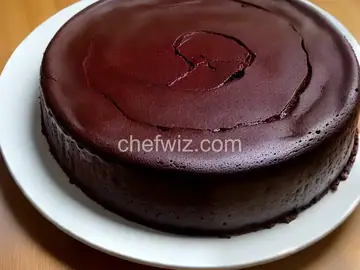
Japanese cheesecake is made using a combination of cream cheese, eggs, sugar, and a small amount of flour. The batter is then steamed or baked in a water bath to create its signature texture. The cake rises beautifully in the oven and deflates slightly as it cools, resulting in its fluffy and jiggly appearance.
What sets Japanese cheesecake apart from regular cheesecakes is its unique texture. The cake is incredibly light and airy, almost like a cross between a soufflé and a traditional cheesecake. Its velvety smooth and delicate texture makes it a joy to eat.
The secret to achieving the perfect texture lies in the beating of the egg whites. The egg whites are whipped until they reach a soft peak before being folded into the cream cheese mixture. This step is crucial as it adds volume and airiness to the cake, resulting in its fluffy texture.
Japanese cheesecake has a subtly sweet and tangy flavor that is not overpowering. The cream cheese provides a rich and creamy taste, while the addition of lemon juice or zest adds a refreshing citrus note. The combination of flavors creates a well-balanced and delightful taste experience.
Unlike traditional cheesecakes that are often heavy and dense, Japanese cheesecake is light on the palate. It leaves you satisfied without feeling overly indulgent. It is the perfect dessert for those who prefer a lighter and less sweet option.
Making a Japanese cheesecake requires precision and attention to detail. Here are some tips to help you achieve the perfect result:
The quality of the ingredients you use will greatly affect the taste and texture of your cheesecake. Opt for high-quality cream cheese, fresh eggs, and pure vanilla extract for the best results.
Whipping the egg whites to a soft peak takes time and patience. Be sure to beat them until they are light and fluffy before incorporating them into the batter. This step is essential for achieving the desired texture.
When folding the egg whites into the cream cheese mixture, be gentle and avoid overmixing. Overmixing can deflate the batter and result in a dense and heavy cake.
Baking the cheesecake in a water bath helps to prevent cracks and creates a moist and even bake. Place the cake pan in a larger pan filled with hot water and bake according to the recipe instructions.
Japanese cheesecake is a dessert that combines the best elements of Western-style cheesecake with the delicate flavors of Japanese cuisine. Its light and fluffy texture, along with its subtle sweetness, make it a crowd-pleaser. With a little patience and attention to detail, you can create a Japanese cheesecake that will impress your friends and family.
While using a water bath is recommended to achieve the best results, you can still make a Japanese cheesecake without one. Just be aware that the cake may have a slightly different texture and may be more prone to cracking.
Yes, you can make a gluten-free Japanese cheesecake by using a gluten-free flour substitute. Be sure to check the ingredients of the cream cheese and other components to ensure they are also gluten-free.
A Japanese cheesecake can last for up to three days when stored in an airtight container in the refrigerator. However, it is best enjoyed fresh for the ultimate taste and texture.
Yes, you can freeze a Japanese cheesecake. Wrap it tightly in plastic wrap and place it in an airtight container before freezing. Thaw the cake in the refrigerator overnight before serving.
Yes, you can experiment with different flavors in a Japanese cheesecake. Popular additions include matcha powder for a green tea flavor or cocoa powder for a chocolate twist.
Yes, you can make mini Japanese cheesecakes by using individual-sized molds or muffin tins. Adjust the baking time accordingly, as they will cook faster than a full-sized cake.
Yes, a hand mixer can be used to make Japanese cheesecake. However, a stand mixer or electric mixer is recommended for best results, as they provide more power and make the process easier.
Yes, you can add toppings to a Japanese cheesecake to enhance its presentation and flavor. Popular options include fresh fruits, whipped cream, or a dusting of powdered sugar.
Yes, you can make a vegan Japanese cheesecake by using dairy-free cream cheese substitute and egg replacers such as applesauce or silken tofu. However, the texture and taste may differ from the traditional version.
AprilCook, recipe developer and the heart of Chefwiz. More about April