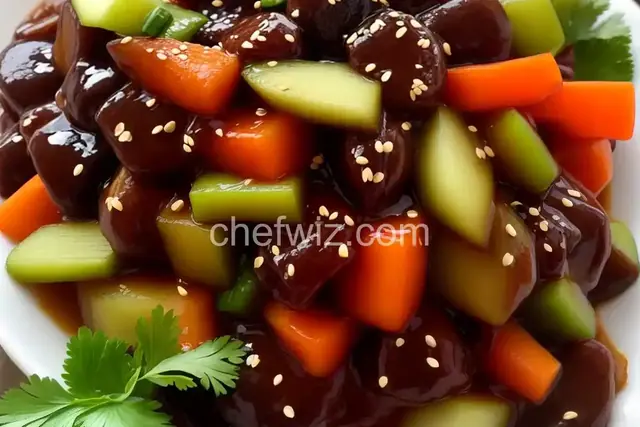
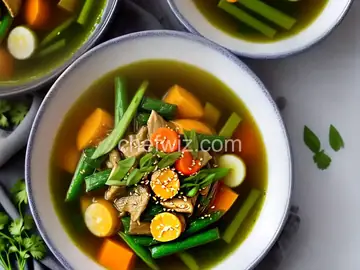
Are you a fan of bold and tangy flavors? Look no further than Jangajji, a traditional Korean dish that combines the freshness of vegetables with the depth of soy sauce pickling. In this article, we'll explore the delightful world of Jangajji and uncover its secrets.
What is Jangajji?
Jangajji is a traditional Korean dish that involves pickling vegetables and chiles in a soy sauce-based brine. The word "Jangajji" itself refers to the act of pickling, and it is a popular way of preserving vegetables in Korean cuisine. The pickling process gives the vegetables a unique tanginess and adds depth to their flavors.
How is Jangajji made?
Making Jangajji is a relatively simple process. Vegetables such as cucumbers, radishes, and green chiles are first washed and sliced into bite-sized pieces. They are then soaked in a brine made from soy sauce, vinegar, sugar, and other seasonings. The vegetables are left to marinate in the brine for several hours or overnight, allowing the flavors to develop.
Variations of Jangajji
Jangajji can be made with various vegetables and chiles, allowing for a wide range of flavors and textures. Some popular variations include cucumber Jangajji, radish Jangajji, and green chile Jangajji. Each variation brings its own unique taste and crunch to the table.
Cucumber Jangajji
Cucumber Jangajji is a refreshing and crunchy dish that pairs well with Korean barbecue or as a topping for rice bowls. The crispness of the cucumbers combined with the tangy soy sauce brine creates a perfect balance of flavors.
Radish Jangajji
Radish Jangajji offers a slightly spicier kick with its addition of Korean radishes. The radishes absorb the flavors of the brine, resulting in a deliciously tangy and crunchy pickle that is perfect for adding to sandwiches or enjoying as a side dish.
Green Chile Jangajji
For those who enjoy a bit of heat, Green Chile Jangajji is the perfect choice. The combination of spicy green chiles and the savory soy sauce brine creates a pickle that is bursting with flavor. It's a great accompaniment to grilled meats or as a topping for tacos and burgers.
The Delightful Tanginess of Jangajji
One of the reasons why Jangajji is so beloved is its tangy flavor profile. The soy sauce-based brine infuses the vegetables with a delightful acidity that cuts through the richness of other dishes. It adds a refreshing element to any meal and can even be enjoyed on its own as a healthy snack.
Health Benefits of Jangajji
Jangajji not only delights the taste buds but also offers several health benefits. The pickling process increases the digestibility of the vegetables, making their nutrients more easily absorbed by the body. Additionally, the fermentation process involved in pickling creates probiotics, which are beneficial for gut health.
In Conclusion
Jangajji is a wonderful dish that showcases the art of pickling in Korean cuisine. With its tangy flavors and versatile nature, it can elevate any meal and add a burst of excitement to your taste buds. Whether you prefer the refreshing crunch of cucumber Jangajji or the fiery kick of green chile Jangajji, there's a variation of this dish for everyone to enjoy.
Frequently asked questions
- Is Jangajji spicy?
The level of spiciness in Jangajji depends on the type of chiles used. While some variations can be spicy, there are milder options available as well.
- How long does Jangajji last?
Jangajji can last for several weeks when stored properly in the refrigerator. However, its flavors may intensify over time.
- Can I use Jangajji as a condiment?
Absolutely! Jangajji can be used as a condiment or topping for various dishes, adding a tangy and flavorful element.
- Can I customize the brine for Jangajji?
Yes, you can customize the brine according to your taste preferences. Feel free to experiment with different seasonings and spices.
- Can I make Jangajji with other vegetables?
While cucumber, radish, and green chiles are commonly used, you can certainly try making Jangajji with other vegetables as well. Get creative and explore different flavor combinations!
- Does Jangajji contain gluten?
The soy sauce used in Jangajji typically contains gluten. However, gluten-free soy sauce alternatives are available in the market.
- Can I adjust the level of sweetness in Jangajji?
Yes, you can adjust the sweetness of Jangajji by adding more or less sugar to the brine.
- Can I reuse the brine for multiple batches of Jangajji?
Yes, you can reuse the brine for subsequent batches of Jangajji. However, keep in mind that the flavors may become more intense with each use.
 By AprilPublished