Jambalaya
Rate this recipeBe the first to rate
 By AprilPublished
Are you ready to take a culinary journey to the vibrant streets of New Orleans?
 By AprilPublished
Are you ready to take a culinary journey to the vibrant streets of New Orleans?
Heat oil in a large pot over medium heat.
Add onion and bell peppers to the pot and season with salt and pepper.
Cook the onion and bell peppers until they become soft, which usually takes about 5 minutes.
Stir in the chicken and season it with salt, pepper, and oregano.
Continue cooking until the chicken turns golden, which takes about 5 minutes.
Add andouille sausage, garlic, and tomato paste to the pot, and cook until fragrant for about 1 minute.
Pour in chicken broth, crushed tomatoes, rice, and Old Bay seasoning.
Reduce the heat to medium low, cover the pot with a tight fitting lid, and cook for approximately 20 minutes, or until the rice becomes tender and the liquid is almost absorbed.
Add the shrimp to the pot and cook until they turn pink, which usually takes around 3 to 5 minutes.
Just before serving, stir in the green onions.
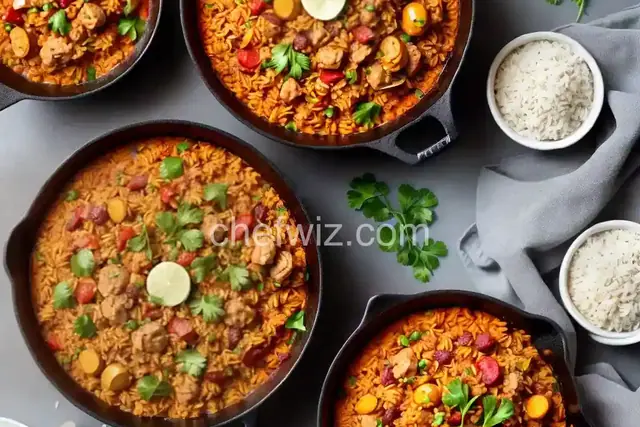
Are you ready to take a culinary journey to the vibrant streets of New Orleans? Get ready to tantalize your taste buds with the mouthwatering flavors of Jambalaya! This iconic Cajun dish is a symphony of flavors that will transport you to the heart of Louisiana with every bite. Whether you're a spice lover or a fan of hearty comfort food, Jambalaya has something for everyone. Let's dive into the rich history, unique ingredients, and tantalizing flavors of this beloved dish.
Jambalaya is a dish deeply rooted in the cultural fabric of Louisiana. Influenced by French, Spanish, and African cuisines, it's a true representation of the region's diverse heritage. Just like the melting pot of cultures that shaped it, Jambalaya brings together an array of ingredients and flavors to create a culinary masterpiece.
Legend has it that Jambalaya was born out of necessity. In the heart of the French Quarter, where resources were scarce, cooks had to make do with what they had. They combined local ingredients like rice, meat, and vegetables with spices and seasonings to create a hearty and delicious dish that could feed a crowd.
Jambalaya is a versatile dish that allows for endless variations. The base ingredients typically include rice, meat, and a medley of vegetables. The meat can range from succulent chicken and spicy sausage to shrimp or even alligator, depending on your preference. The vegetables often include bell peppers, celery, and onions, known as the "holy trinity" of Cajun cooking.
What sets Jambalaya apart is its bold and robust flavors. A combination of spices like paprika, cayenne pepper, thyme, and bay leaves gives it a fiery kick. The flavors meld together as the dish simmers, creating a harmonious blend that will leave you craving more.
Preparing Jambalaya is like conducting an orchestra of flavors. The dish can be made using three different techniques: the Creole style, the Cajun style, or the hybrid style. Each style brings its own unique twist to the dish, adding depth and complexity.
In the Creole style, Jambalaya starts with a flavorful base of onions, bell peppers, and celery, sautéed until caramelized. Tomatoes are then added, lending a tangy sweetness to the dish. This style is known for its slightly reddish hue and milder flavor profile.
The Cajun style, on the other hand, skips the tomatoes and focuses on the meat and spices. It's all about bold, spicy flavors that pack a punch. The meat is browned to perfection, and the spices are added generously, creating a dish that will make your taste buds sing.
The hybrid style combines elements from both Creole and Cajun cuisines, offering the best of both worlds. It's a wonderful balance of flavors that will satisfy even the most discerning palates.
When it comes to serving Jambalaya, the possibilities are endless. The dish can be enjoyed on its own as a complete meal or paired with a side of crusty French bread or fluffy cornbread. Some even like to add a dollop of tangy sour cream or a sprinkle of fresh herbs for an extra burst of flavor.
Whether you're hosting a festive gathering or simply craving a comforting meal, Jambalaya is sure to be a crowd-pleaser. Its vibrant colors, tantalizing aromas, and complex flavors make it a feast for the senses.
Yes, you can! Jambalaya can be customized to suit different dietary preferences. Simply omit the meat and increase the quantity of vegetables or add tofu or plant-based protein alternatives.
Jambalaya can be as spicy as you want it to be. Adjust the amount of cayenne pepper and other spices according to your heat tolerance. You can always start with a milder version and add more spice gradually.
Absolutely! Jambalaya freezes well and can be enjoyed later. Allow it to cool completely before transferring it to airtight containers or freezer bags. It will stay fresh for up to three months.
While rice is the traditional base for Jambalaya, you can experiment with other grains like quinoa or couscous for a unique twist. Keep in mind that the cooking times may vary, so adjust accordingly.
Yes, you can! Jambalaya can be prepared in a slow cooker for a convenient and hands-off cooking experience. Simply combine all the ingredients, set it on low heat, and let it simmer for a few hours until the flavors meld together.
There are numerous variations of Jambalaya, each with its own regional flair. Some popular variations include seafood Jambalaya, vegetarian Jambalaya, and even Jambalaya pasta. Feel free to get creative and add your own twist to this classic dish.
Jambalaya can easily be made gluten-free by using gluten-free ingredients and ensuring that all the spices and seasonings are also gluten-free. Double-check labels to ensure they are free from any hidden gluten sources.
Absolutely! Jambalaya tastes even better the next day as the flavors have had time to meld together. Prepare it in advance and refrigerate it overnight for an easy and delicious meal the next day.
So, what are you waiting for? Embark on a flavorful journey to the heart of Cajun cuisine with a steaming bowl of Jambalaya. Let the spices dance on your tongue and transport you to the vibrant streets of New Orleans. Get ready to savor every bite of this delicious and soul-satisfying dish!
AprilCook, recipe developer and the heart of Chefwiz. More about April