Are you looking to explore the flavors of Korean cuisine? Look no further than Jab Chae, a delightful and savory dish that will transport your taste buds to the vibrant streets of South Korea. In this article, we will dive into the world of Jab Chae, its origins, preparation, and the tantalizing flavors that make it a favorite among food enthusiasts.
The Origins of Jab Chae
Like many other popular Korean dishes, Jab Chae has a rich history that dates back centuries. It is believed to have originated during the Joseon Dynasty, where it was primarily served in royal banquets. Over time, it made its way into the homes of ordinary Koreans and eventually became a staple in Korean cuisine.
Ingredients and Preparation
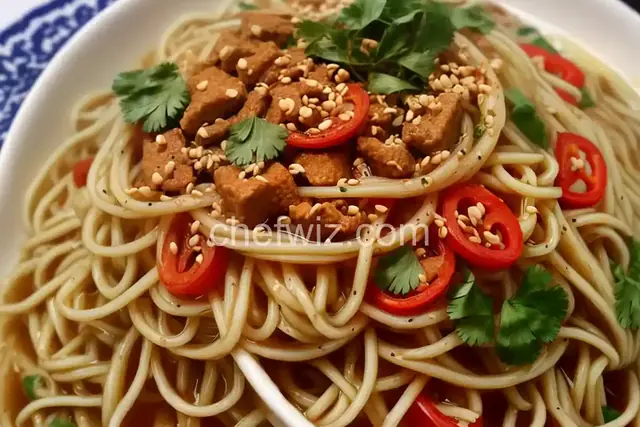
Creating a delectable Jab Chae dish requires a combination of fresh ingredients and careful preparation. The star of this dish is the sweet potato noodles, which are cooked until they become soft and chewy. These noodles provide a unique texture that sets Jab Chae apart from other noodle dishes.
To enhance the flavors, a variety of vegetables are added to the noodles. This includes thinly sliced carrots, bell peppers, mushrooms, and onions. These vegetables not only add color and vibrancy to the dish but also provide a healthy dose of nutrients.
A Burst of Flavor
What truly sets Jab Chae apart is its flavorful sauce. The sauce is a harmonious blend of soy sauce, sesame oil, sugar, and garlic, which creates a perfect balance of sweet and savory. This sauce coats the noodles and vegetables, infusing every bite with a burst of flavor that will leave you craving for more.
How to Enjoy Jab Chae
Jab Chae can be enjoyed as a standalone dish or as a side dish alongside other Korean delicacies. It is commonly served at festive occasions, family gatherings, and special celebrations. The versatility of Jab Chae makes it a favorite among both meat-lovers and vegetarians alike.
One can savor the flavors of Jab Chae on its own, appreciating the delicate balance of tastes and textures. Alternatively, it can be paired with grilled meats such as beef or chicken, adding an extra layer of indulgence to the meal. The combination of the savory noodles and succulent meats creates a symphony of flavors that will leave your taste buds dancing with delight.
In Conclusion
Jab Chae is more than just a noodle dish; it represents the rich culinary heritage of Korea. With its tantalizing flavors, unique textures, and versatile nature, it has become a beloved dish both in Korea and around the world. So why not embark on a culinary adventure and try your hand at creating this Korean delight in your own kitchen?
Frequently asked questions
- . What are the different types of noodles used in Jab Chae?
Jab Chae traditionally uses sweet potato noodles, also known as dangmyeon. These noodles are made from sweet potato starch and have a translucent appearance when cooked.
- . Can I substitute sweet potato noodles with other types of noodles?
While sweet potato noodles are the traditional choice for Jab Chae, you can experiment with other types of noodles such as glass noodles or even spaghetti if you prefer.
- . Is Jab Chae a vegetarian dish?
Jab Chae can be easily adapted to suit vegetarian preferences. Simply omit any meat-based ingredients and focus on adding a variety of vegetables to create a flavorful vegetarian version.
- . Can I make Jab Chae in advance?
Yes, Jab Chae can be made in advance and stored in the refrigerator for a few days. However, it is best enjoyed fresh to fully appreciate the flavors and textures.
- . Are there any variations of Jab Chae?
Yes, there are several variations of Jab Chae. Some recipes incorporate different proteins such as beef, chicken, or seafood, adding an extra dimension of flavor to the dish.
- . Can I adjust the spiciness of the dish?
Absolutely! If you prefer a spicier Jab Chae, you can add a dash of chili flakes or a drizzle of hot sauce to the sauce mixture. Adjust the spiciness according to your taste preferences.
- . Can I make Jab Chae gluten-free?
Yes, you can make Jab Chae gluten-free by using gluten-free soy sauce and ensuring that all other ingredients are free from gluten contamination.
- . Is Jab Chae a healthy dish?
Jab Chae is a relatively healthy dish as it incorporates a variety of vegetables and lean proteins. However, like any other dish, portion control is important to maintain a balanced diet.
 By AprilPublished