Italian Frittata
Rate this recipeBe the first to rate
 By AprilPublished
 Have you ever wondered what to make for breakfast that's both delicious and easy to prepare?
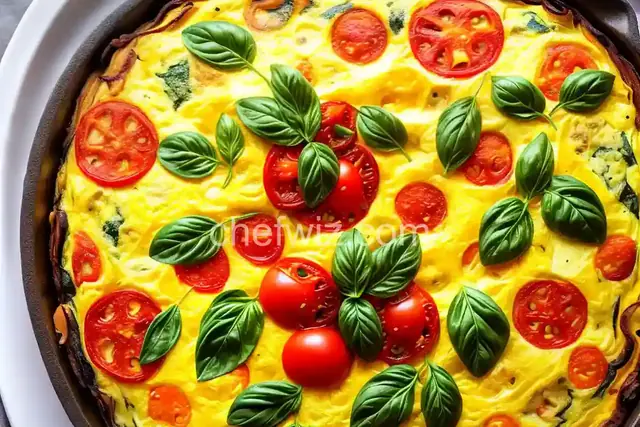 By AprilPublished
 Have you ever wondered what to make for breakfast that's both delicious and easy to prepare?
Preheat the oven to 425 degrees F (220 degrees C).
Grease a shallow 2-quart baking dish.
Heat a skillet over medium heat. Cook and stir the salami, artichokes, tomatoes, and mushrooms until heated through, approximately 4 minutes.
Transfer the salami mixture to the greased baking dish.
In a large bowl, whisk together the eggs, milk, green onions, garlic, basil, onion powder, salt, and black pepper.
Pour the egg mixture over the salami mixture in the baking dish.
Sprinkle the mozzarella cheese and Parmesan cheese over the top.
Bake in the preheated oven until the eggs are set and the cheese is melted, about 20 minutes.
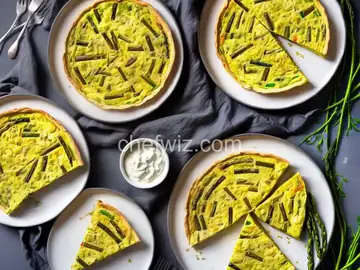
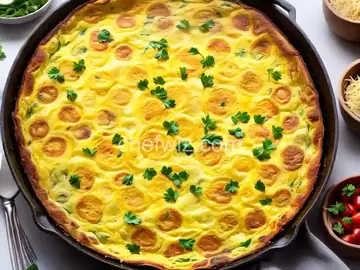
Have you ever wondered what to make for breakfast that's both delicious and easy to prepare? Look no further than the Italian frittata! This versatile dish is like a savory version of an omelette, packed with flavors and ingredients that will leave you wanting more. In this article, we'll dive into the world of frittatas, exploring their origins, variations, and how to make the perfect one. So, let's get cracking!
Just like many classic dishes, the origins of the frittata are rooted in necessity. In Italian households, it's common to use leftovers to create new and exciting meals. The frittata was born out of this tradition, as a way to make use of any leftover vegetables, cheese, or meats. It's a fantastic way to reduce food waste while still enjoying a delicious meal.
Making a frittata is a simple and straightforward process. It starts with whisking together eggs and adding your choice of ingredients. These can include anything from sautéed vegetables to cooked bacon or even leftover pasta. Once you've mixed everything together, the frittata is cooked slowly on the stovetop until it's golden and set.
One of the best things about frittatas is their versatility. You can play around with different flavors and ingredients to create a frittata that suits your taste buds perfectly. Whether you prefer a classic frittata with tomatoes, onions, and cheese or a more adventurous one with mushrooms and truffle oil, the possibilities are endless. Let your creativity run wild!
Frittatas are incredibly versatile and can be enjoyed at any time of the day. They make a fantastic breakfast or brunch option, but they can also be served as a light lunch or dinner. You can even cut them into bite-sized pieces and serve them as appetizers at your next gathering. The frittata truly is a dish for every occasion.
The Italian frittata is a delightful and versatile dish that's perfect for any meal of the day. With its origins rooted in tradition and the ability to customize it to your liking, the frittata is a must-try for any food lover. So, gather your ingredients, whisk those eggs, and create your own culinary masterpiece. Buon appetito!
Absolutely! Frittatas can be made ahead of time and reheated when needed. They're perfect for meal prep or when you want to have a quick and easy breakfast ready to go.
Of course! If you're lactose intolerant or prefer to avoid dairy, you can use dairy-free alternatives such as almond milk or vegan cheese in your frittata. The result will still be delicious.
The cooking time will vary depending on the size of your frittata and the heat of your stove. On average, it takes around 10-15 minutes to cook a frittata on low to medium heat.
Absolutely! If you have any leftover frittata, you can freeze it for later. Simply wrap it tightly in plastic wrap or place it in an airtight container before freezing. When you're ready to enjoy it, just thaw it in the fridge overnight and reheat it in the oven or microwave.
No, frittatas can be made with a variety of ingredients. While eggs are the main component, you can add in vegetables, meats, and even cooked pasta to create a more substantial frittata.
Yes, you can! Traditionally, frittatas are finished in the oven to allow the top to set and develop a beautiful golden color. However, if you don't have an oven, you can cover the pan with a lid and cook it on the stovetop until the frittata is set.
While a non-stick skillet is the most commonly used pan for making frittatas, you can also use a cast iron skillet or an oven-safe frying pan. Just make sure the pan you use can withstand both stovetop and oven heat.
Absolutely! Herbs and spices can add an extra layer of flavor to your frittata. Feel free to experiment with different combinations such as basil and oregano or paprika and cumin. The choice is yours!
AprilCook, recipe developer and the heart of Chefwiz. More about April