Italian Anise Bread
Rate this recipeBe the first to rate
 By AprilPublished
 Italian Anise Bread: A Delightful Treat for Your Taste Buds Are you a fan of aromatic and flavorful breads that transport you to the sun-kissed landscapes of Italy?
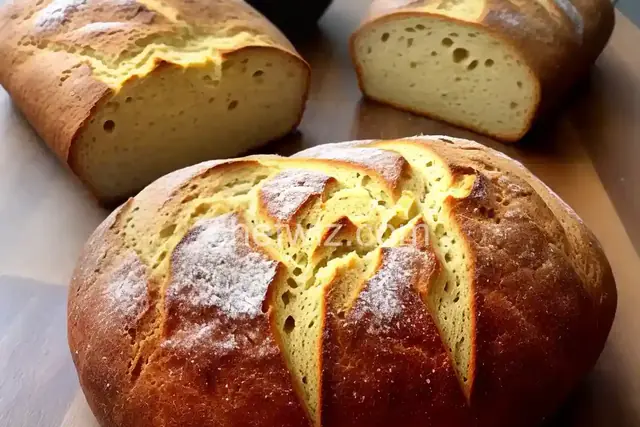 By AprilPublished
 Italian Anise Bread: A Delightful Treat for Your Taste Buds Are you a fan of aromatic and flavorful breads that transport you to the sun-kissed landscapes of Italy?
In a large bowl, combine flour, sugar, and anise seed. Create a well in the center.
In a separate bowl, mix warm water and yeast. Allow it to stand for about 10 minutes until the yeast softens and forms a creamy foam.
Beat warm milk, eggs, and butter in a bowl and then stir it into the yeast mixture. Add this milk mixture to the well in the flour mixture.
Knead the flour-milk mixture using your hands until the dough is no longer sticky. Cover the dough with a clean cotton cloth and let it rise for 8 hours to overnight.
Grease and flour 6 loaf pans.
Punch the dough down and divide it into 6 portions. Mold each portion into a round shape and place them in the prepared pans.
Cover the pans and let the dough rise for 1 hour more.
Preheat the oven to 350 degrees F (175 degrees C).
Bake the bread in the preheated oven for 45 to 50 minutes, or until it is cooked through.
This recipe is traditionally made in the spring with low humidity.
To provide extra warmth during the rising process, you can cover the dough with light winter coats or blankets. Make sure they are not too heavy to weigh down the dough.
Grease and flour 6 pans. You can use various types of pans such as 9
Italian Anise Bread: A Delightful Treat for Your Taste Buds
Are you a fan of aromatic and flavorful breads that transport you to the sun-kissed landscapes of Italy? If so, then Italian Anise Bread is a must-try for you! This delectable treat combines the freshness of homemade bread with the unique and tantalizing flavor of anise seeds. In this article, we will explore the wonders of Italian Anise Bread, its history, and how you can make it at home. So, grab a cup of coffee and get ready to embark on a journey of deliciousness!
The Origins of Italian Anise Bread
Italian Anise Bread has a rich history that can be traced back to ancient Rome. Anise seeds, known for their licorice-like flavor, were highly valued by the Romans not only for their taste but also for their medicinal properties. The Romans believed that anise seeds could aid digestion and relieve various ailments. These seeds were incorporated into different dishes, including bread, to enhance their taste and provide a unique culinary experience.
The Flavorful Magic of Anise Seeds
Anise seeds are the star of Italian Anise Bread, lending it a distinct and captivating flavor. When you take a bite of this bread, you'll be greeted by a delightful combination of sweetness and subtle spiciness, with a hint of licorice. The aroma of anise seeds will awaken your senses and transport you to the enchanting streets of Italy. Whether you enjoy it plain or with a smear of butter, Italian Anise Bread is a treat that will leave you craving for more.
Creating Italian Anise Bread in Your Kitchen
Making Italian Anise Bread at home is a rewarding and enjoyable experience. The ingredients are simple and easily available, allowing you to recreate the magic of this bread in your kitchen. The dough is prepared by combining flour, yeast, water, sugar, salt, and of course, anise seeds. Kneading the dough is a therapeutic process that helps develop the gluten and create a light and airy texture. Once the dough has risen, it is shaped into loaves or rolls and baked to perfection. The result is a golden-brown crust with a soft and fluffy interior, infused with the irresistible flavor of anise seeds.
FAQs:
Q: Can I substitute anise seeds with any other spice?
A: While anise seeds are the traditional choice for Italian Anise Bread, you can experiment with other spices like fennel seeds or caraway seeds to add your own twist to the recipe.
Q: Are there any variations of Italian Anise Bread?
A: Yes, there are various regional variations of Italian Anise Bread. Some recipes use orange zest or raisins to enhance the flavor, while others incorporate almonds or walnuts for added texture.
Q: Can I freeze Italian Anise Bread?
A: Absolutely! Italian Anise Bread freezes well and can be stored for up to three months. Just make sure to wrap it tightly in plastic wrap or place it in an airtight container before freezing.
Q: Is Italian Anise Bread gluten-free?
A: Traditional Italian Anise Bread is not gluten-free, as it is made with wheat flour. However, you can try using gluten-free flour blends to make a gluten-free version of this bread.
Q: Can I make Italian Anise Bread without yeast?
A: Yeast is an essential ingredient for achieving the light and fluffy texture of Italian Anise Bread. However, if you prefer a quicker alternative, you can use baking powder instead of yeast.
Q: How long does Italian Anise Bread stay fresh?
A: Italian Anise Bread is best enjoyed fresh, preferably on the day it is baked. However, if stored in an airtight container, it can stay fresh for up to three days.
Q: Can I use anise extract instead of anise seeds?
A: Anise extract can be used as a substitute for anise seeds. However, the flavor may not be as intense, so you may need to adjust the quantity accordingly.
Q: Can I toast Italian Anise Bread?
A: Absolutely! Toasting Italian Anise Bread brings out its flavors even more and adds a delightful crunch. It pairs well with jam or a drizzle of honey for a delightful breakfast or snack.
In conclusion, Italian Anise Bread is a delightful treat that combines the freshness of homemade bread with the unique flavor of anise seeds. Its history and flavors make it a must-try for bread enthusiasts. So, why not embark on a culinary adventure and try making Italian Anise Bread in your own kitchen? You'll be rewarded with a fragrant, flavorful, and utterly satisfying bread that will transport you to the heart of Italy with every bite.
AprilCook, recipe developer and the heart of Chefwiz. More about April