Irish Soda Bread in a Skillet
Rate this recipeBe the first to rate
 By AprilPublished
 There's something undeniably comforting about freshly baked bread.
 By AprilPublished
 There's something undeniably comforting about freshly baked bread.
Preheat the oven to 400 degrees F (200 degrees C).
In a cup or small bowl, mix the milk and vinegar. Allow it to sit for 10 minutes or until it becomes curdled.
In a medium bowl, combine the flour, salt, and baking soda.
Add the curdled milk mixture to the dry ingredients and mix until smooth.
Transfer the dough onto a floured surface and shape it into a disc.
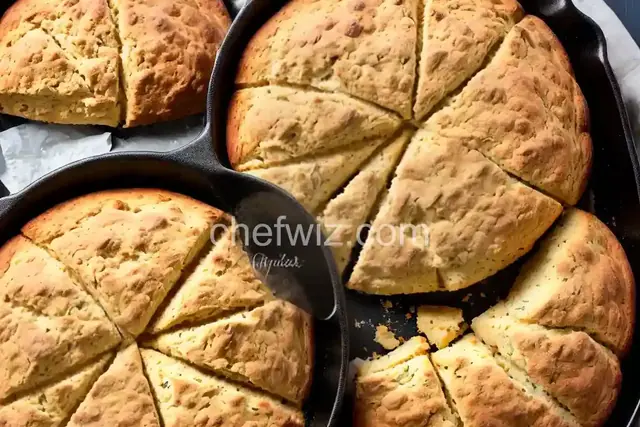
Place the disc into a cast iron skillet.
Bake in the preheated oven for 15 minutes or until the crust feels firm to the touch.
There's something undeniably comforting about freshly baked bread. The aroma that fills the air, the warm and crusty exterior, and the soft, pillowy interior - it's a sensory experience that transcends time and culture. One such bread that has stood the test of time is Irish soda bread.
Traditionally baked in a round shape and made with just a few simple ingredients, Irish soda bread is a staple in Irish households. But what if we took this classic recipe and gave it a modern twist? Imagine baking it in a skillet, resulting in a delightful combination of crispy edges and a tender center. Let's dive into the world of Irish soda bread in a skillet and discover how this variation can elevate your baking game.
Skillet baking has become increasingly popular in recent years, and for good reason. The cast iron skillet provides even heat distribution, resulting in a perfectly baked bread with a gorgeous golden crust. The skillet's ability to retain heat also ensures that the bread remains warm for longer, making it an ideal choice for sharing with family and friends.
Furthermore, baking Irish soda bread in a skillet adds a rustic touch to your presentation. The circular shape and the beautiful contrast between the golden crust and the cast iron create a visually appealing centerpiece for any meal or gathering. It's a simple yet elegant way to elevate your bread-baking skills.
Before we delve into the skillet variation, let's take a moment to appreciate the magic of Irish soda bread itself. This bread is leavened with baking soda rather than yeast, making it quick and easy to prepare. The combination of flour, baking soda, salt, and buttermilk creates a chemical reaction that produces carbon dioxide, resulting in a light and airy texture.
Irish soda bread is also incredibly versatile. It can be enjoyed as a standalone treat, slathered with butter and jam, or used to mop up hearty stews and soups. Its simplicity allows for endless possibilities, whether you prefer a traditional version or one infused with your favorite flavors, such as raisins or seeds.
Making Irish soda bread in a skillet follows the same basic steps as the traditional method. The key difference lies in the baking vessel and the cooking time.
Start by preheating your oven and greasing the skillet with butter or oil. In a large bowl, whisk together the dry ingredients - flour, baking soda, and salt. Then, add in the buttermilk and stir until a sticky dough forms.
Transfer the dough into the greased skillet and use a sharp knife to score a cross on top. This not only adds an aesthetic touch but also helps the bread expand during baking. Place the skillet in the oven and bake until the bread is golden brown and sounds hollow when tapped on the bottom.
Once baked, remove the skillet from the oven and let the bread cool for a few minutes before transferring it to a wire rack. Allow it to cool completely before slicing to ensure a neat and tidy presentation.
Irish soda bread in a skillet is a delightful twist on a classic recipe. The combination of the cast iron skillet and the traditional soda bread creates a bread that is both visually appealing and delicious. Whether you're a seasoned baker or a novice in the kitchen, this variation is sure to impress. So go ahead and gather your ingredients, preheat your oven, and let the magic of Irish soda bread unfold in your skillet.
Yes, you can experiment with different flours, such as whole wheat or spelt, to add a unique flavor and texture to your soda bread.
If you don't have buttermilk on hand, you can make a simple substitute by adding a tablespoon of lemon juice or vinegar to a cup of milk. Let it sit for a few minutes before using.
Absolutely! Feel free to get creative and add ingredients like raisins, dried cranberries, or even cheese and herbs to customize your soda bread.
Irish soda bread is best enjoyed fresh on the day it's baked. However, it can be stored in an airtight container for up to three days. Toasting slightly stale soda bread can also revive its taste and texture.
Yes, you can freeze Irish soda bread. Simply wrap it tightly in plastic wrap or place it in a freezer bag, and it will keep well for up to three months. Thaw it at room temperature before enjoying.
While a cast iron skillet is the preferred choice for baking Irish soda bread, you can also use a heavy-duty oven-safe skillet or a baking dish with similar dimensions.
Absolutely! You can divide the dough into smaller portions and bake them in individual skillets for adorable personal-sized servings.
Traditional Irish soda bread is not gluten-free as it is made with wheat flour. However, you can experiment with gluten-free flour blends to create a gluten-free version.
AprilCook, recipe developer and the heart of Chefwiz. More about April