Irish Brown Bread
Rate this recipeBe the first to rate
 By AprilPublished
 Have you ever wondered what makes Irish Brown Bread so special?
 By AprilPublished
 Have you ever wondered what makes Irish Brown Bread so special?
Preheat the oven to 425°F and lightly grease a large cast-iron skillet with cooking spray. Alternatively, you can line a large baking sheet with parchment paper.
In a large bowl, whisk together all-purpose flour, whole wheat flour, granulated sugar, baking soda, and salt.
Add the butter to the flour mixture and use your hands to mix until you have pea-sized pieces of butter and some slightly larger pieces.
In a small bowl, whisk together the egg and buttermilk.
Make a well in the center of the flour mixture and pour the egg mixture into the well.
Starting from the center, mix the ingredients together using a wooden spoon until the dough becomes too stiff to stir.
Transfer the dough onto a lightly floured surface and shape it into a ball using your floured hands. Knead the dough for about 30 seconds until there are no dry streaks remaining. Be careful not to overwork the dough, as it can result in a tough bread.
Place the dough in the prepared skillet or baking sheet. Use a very sharp knife to score a 1/2-deep X on top of the dough.
Bake the bread for 15 minutes, then reduce the oven temperature to 400°F. Continue baking until the bread turns golden brown and the bottom sounds hollow when tapped, which typically takes about 30 to 35 minutes more.
Allow the bread
Have you ever wondered what makes Irish Brown Bread so special? The aroma of freshly baked bread, the warm and comforting texture, and the rich, nutty flavor—it's a delight to the senses. This traditional Irish staple has been enjoyed by generations, passed down through the ages. In this article, we will explore the history, ingredients, and the art of baking Irish Brown Bread, allowing you to experience the magic in your own kitchen.
Irish Brown Bread traces its roots back to a time when baking was a daily ritual in Irish households. With simple ingredients like wholemeal flour, buttermilk, salt, and a touch of baking soda, this bread became a symbol of sustenance and comfort. Just like the Irish people, it is humble yet resilient.
Imagine biting into a slice of warm Irish Brown Bread, slathered with creamy butter. The butter slowly melts, seeping into the bread, creating a heavenly combination of flavors. It's like a dance of smoothness and earthiness, a match made in culinary heaven. This bread is a versatile companion, perfect for enjoying with a hearty soup or as the foundation for a satisfying sandwich.
Baking Irish Brown Bread is not just about following a recipe; it's about infusing love and care into every step. As you mix the ingredients together, you can feel a connection to the past, to the bakers who came before you. The dough comes alive under your hands, transforming from a mere mixture into a work of art. It's a tactile experience that engages all your senses.
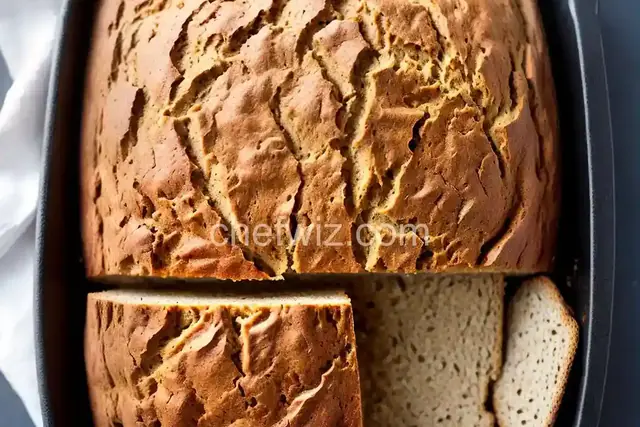
Unlike its fluffy counterparts, Irish Brown Bread has a rustic charm. Its dense texture and rugged appearance make it unique. Don't be deterred by its imperfect shape; embrace its character. Just like life, beauty lies in imperfections. The cracks and crevices on the surface of the bread are a testament to its authenticity.
For many, Irish Brown Bread evokes a sense of nostalgia, a taste of home. It brings back memories of cozy kitchens filled with laughter and the aroma of baking bread. Whether you have Irish heritage or not, this bread has a way of making you feel connected to something greater, to a shared heritage of warmth and hospitality.
Irish Brown Bread is more than just a loaf of bread; it's a connection to tradition, a taste of home, and a reminder of the simple pleasures in life. Baking this humble delicacy allows you to immerse yourself in a rich Irish heritage and experience the joy of creating something with your own hands. So why not embark on this culinary adventure and savor the magic of Irish Brown Bread?
While buttermilk is traditionally used in Irish Brown Bread, you can substitute it with regular milk. However, the tangy flavor of buttermilk adds a unique dimension to the bread.
Although all-purpose flour can be used, it will alter the texture and taste of the bread. Wholemeal flour provides a nutty, wholesome flavor that is characteristic of Irish Brown Bread.
On average, the baking time for Irish Brown Bread is around 40-45 minutes. However, it may vary depending on your oven. To ensure it is fully baked, insert a skewer into the center of the bread; it should come out clean.
While traditional Irish Brown Bread does not include additional ingredients, you can certainly experiment with adding seeds or raisins for a unique twist.
To keep your Irish Brown Bread fresh, store it in an airtight container or wrap it tightly in cling film. It is best consumed within a few days.
Absolutely! Irish Brown Bread freezes well. Slice it before freezing, and when you're ready to enjoy it, simply thaw the desired number of slices and toast them to perfection.
Yes, you can make a gluten-free version of Irish Brown Bread by using gluten-free flour blends. However, keep in mind that the texture and taste may differ slightly from the traditional recipe.
While both Irish Brown Bread and soda bread share similar ingredients, the key difference lies in the type of flour used. Irish Brown Bread incorporates wholemeal flour, giving it a distinct nutty flavor and a denser texture.
AprilCook, recipe developer and the heart of Chefwiz. More about April