Injera
Rate this recipeBe the first to rate
 By AprilPublished
 Have you ever wondered what makes Ethiopian cuisine so unique and flavorful?
 By AprilPublished
 Have you ever wondered what makes Ethiopian cuisine so unique and flavorful?
To begin, create a sponge or yeast starter by sifting 2 cups (9 oz/250 g) of flour into a large non-reactive bowl or plastic jug with a lid. Slowly incorporate about 1 cup (250 ml) of water into the flour, kneading until you have a moist dough without lumps. Add another ½ cup (125 ml) of water to submerge the mixture, cover tightly, and let it rest at room temperature for four days.
After four days, the mixture will separate into two layers. Carefully pour off and discard the watery layer, leaving only the sponge. You will only need a portion of this sponge. The remaining sponge can be kept in the refrigerator, covered, for several days, and used for future batches of injera.
In a large non-reactive bowl, measure out 1 cup (250 ml) of the sponge. Mix in the remaining 1 ½ cups (1 lb 2 oz/500 g) of flour and ½ cup (125 ml) of water using your hands. Gradually add a generous 1 ½ cups (375 ml) of water once the mixture has a smooth consistency. Pour 1 ½ cups (400 ml) of water on top without stirring. Cover tightly and let it rest for three days at room temperature.
After three days, remove the lid and check the batter. It should have a sour smell and may have bubbles. If you see any mold,
Have you ever wondered what makes Ethiopian cuisine so unique and flavorful? One of the key components is injera, a staple bread that is not only delicious but also serves as a cultural symbol in Ethiopia. In this article, we will delve into the world of injera, its history, preparation, and the role it plays in Ethiopian meals. So, let's embark on a culinary journey together!
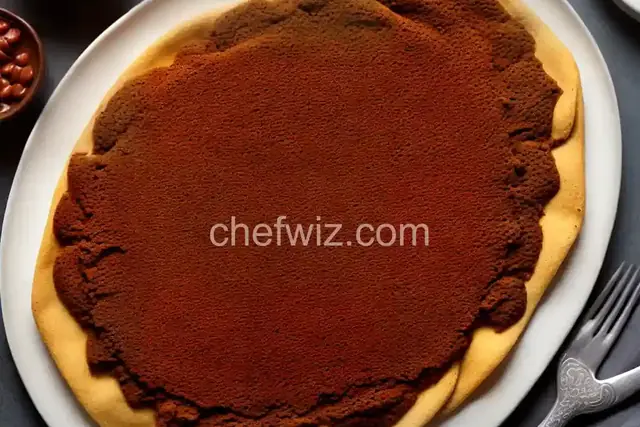
Injera is a spongy, sourdough flatbread that resembles a giant pancake. It is made from teff, a gluten-free grain that is native to Ethiopia. Teff is ground into flour, fermented overnight, and then cooked on a hot griddle. The result is a tangy and slightly tangy bread that is not only used as a utensil but also as a main component of Ethiopian dishes.
Making injera is an art that requires skill and patience. The process begins by mixing teff flour with water and allowing it to ferment for 24 to 48 hours. This fermentation gives the bread its distinctive sour taste. Once the batter is ready, it is poured onto a hot griddle, where it cooks until bubbly and slightly crispy on the edges. The large size of injera, typically around 16 inches in diameter, makes it a communal dish that is shared among diners.
Injera is not just a bread; it also serves as a utensil in Ethiopian cuisine. Traditionally, a large communal plate called a mesob is placed in the center of the table, and injera is spread out on top of it. Various stews and dishes are then placed on the injera, and diners tear off pieces of the bread to scoop up the flavorful bites. This communal way of eating creates a sense of togetherness and fosters a warm and inviting atmosphere.
Aside from its role as a utensil, injera also adds depth and complexity to Ethiopian dishes. Its tangy flavor complements the rich and spicy stews, creating a harmonious balance of tastes. The spongy texture of injera soaks up the flavors of the dishes, making each bite a burst of deliciousness. Whether it's doro wat (spicy chicken stew), tibs (sauteed meat), or vegetarian options like shiro (chickpea stew), injera elevates the dining experience to a whole new level.
Not only is injera a culinary delight, but it also offers several health benefits. Teff, the main ingredient in injera, is rich in essential minerals such as iron, calcium, and magnesium. It is also packed with dietary fiber, which aids in digestion and helps maintain a healthy gut. Moreover, teff is gluten-free, making injera an excellent choice for individuals with gluten sensitivities or celiac disease.
Injera is more than just a bread; it is a cultural icon in Ethiopia. It symbolizes unity, hospitality, and the spirit of sharing. In Ethiopian households, the art of making injera is passed down from generation to generation, preserving the tradition and keeping the cultural heritage alive. Today, injera has gained popularity worldwide, introducing people from different cultures to the rich and diverse flavors of Ethiopian cuisine.
Injera, the tangy and spongy Ethiopian flatbread, is a culinary masterpiece that adds depth and flavor to Ethiopian dishes. Its unique fermentation process, communal dining experience, and health benefits make it a truly remarkable bread. So, next time you have the chance to try Ethiopian cuisine, don't miss out on the opportunity to savor the deliciousness of injera and immerse yourself in the rich cultural heritage it represents.
Yes, injera is gluten-free as it is made from teff, a gluten-free grain.
Teff flour is the traditional ingredient for making injera, but some variations use a mixture of teff and other flours.
Injera batter typically ferments for 24 to 48 hours, depending on the desired sourness.
Yes, you can freeze injera for later use. Simply wrap it in plastic wrap or store it in an airtight container.
Injera has a unique taste and texture, so it may not be the best substitute for traditional bread. However, it can be enjoyed on its own or as a complement to Ethiopian dishes.
You can find injera at Ethiopian grocery stores or restaurants that specialize in Ethiopian cuisine.
Store leftover injera in an airtight container or wrap it tightly in plastic wrap. It can be stored at room temperature for a day or two or refrigerated for up to a week.
Absolutely! With the right ingredients and a little practice, you can make injera in the comfort of your own kitchen and enjoy the flavors of Ethiopia.
AprilCook, recipe developer and the heart of Chefwiz. More about April