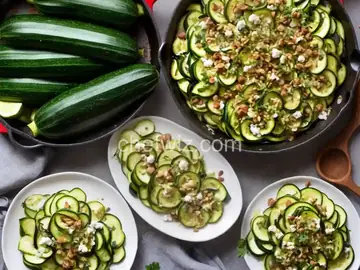
Indian Sabji Recipe
Rate this recipeBe the first to rate
 By AprilPublished
 Do you love the rich flavors and vibrant colors of Indian cuisine?
 By AprilPublished
 Do you love the rich flavors and vibrant colors of Indian cuisine?
Heat canola oil in a wok over medium heat.
Cook and stir cumin and mustard seeds in the hot oil until they start to sizzle, for about 1 to 2 minutes.
Add coriander, turmeric, and cayenne pepper to the wok; cook for approximately 1 minute.
Stir in cabbage, potatoes, ginger-garlic paste, and salt into the spice mixture, ensuring they are coated.
Pour enough water into the wok to steam the vegetables; cover and cook, stirring occasionally and adding more water if necessary, until the potatoes and cabbage become very tender, which takes about 45 minutes.
Remove the wok from heat and sprinkle the vegetables with cilantro.
If you don't have ginger-garlic paste, you can use equal parts fresh ginger and garlic, mashed together.
To make jeera rice, heat about 1 tablespoon of oil in a pan and add 1/2 teaspoon of cumin seeds. Fry for a minute.
Add 1 cup of basmati rice to the pan, stirring to coat, and let it fry for a minute or two.
Add 2 cups of water and 1/2 teaspoon of salt to the pan. Once the water boils, reduce the heat to low, cover the pan, and cook for 15 to 20 minutes.
Do you love the rich flavors and vibrant colors of Indian cuisine? Are you intrigued by the aromatic spices and mouth-watering combinations that make every bite a feast for the senses? If so, then you're in for a treat as we dive into the world of Indian sabji, a versatile and delectable dish that will transport you to the bustling streets of India.
Indian sabji, also known as subzi or sabzi, is a traditional vegetable dish that forms an integral part of Indian cuisine. It is a medley of vegetables cooked in a flavorful blend of spices, creating a harmonious balance of taste and texture. The word "sabji" itself means vegetables in Hindi, reflecting the essence of this dish.
Imagine a symphony of flavors dancing on your taste buds - that's the magic of Indian spices! Just like a skilled conductor, the right combination of spices can elevate a simple dish into a masterpiece. In Indian sabji, a blend of spices such as cumin, coriander, turmeric, and garam masala work together to create a tantalizing flavor profile.
Cumin, with its warm and earthy aroma, takes center stage in many Indian dishes. Its distinct flavor adds depth and complexity to the sabji, making it a key ingredient in the spice blend. Just a pinch of cumin can transform a humble vegetable into a gastronomic delight.
Coriander, also known as cilantro, brings a fresh and citrusy note to the sabji. Its leaves are often used as a garnish, adding a burst of vibrant green color and a refreshing taste. The combination of cumin and coriander creates a harmonious balance that forms the backbone of Indian cuisine.
Turmeric, with its vibrant yellow hue, not only adds a pop of color to the sabji but also offers a myriad of health benefits. Known for its anti-inflammatory properties, turmeric adds depth and warmth to the dish. It's like a ray of sunshine that brightens up every spoonful.
Garam masala is the secret weapon that brings the sabji to life. This aromatic blend of spices, including cinnamon, cardamom, cloves, and black pepper, infuses the dish with a rich and complex flavor. It's like a grand finale that leaves a lasting impression on your palate.
One of the great things about Indian sabji is its versatility. Whether you're a vegetarian, vegan, or meat lover, there's a sabji recipe for everyone. From simple potato and pea sabji to a more elaborate mixed vegetable sabji, the options are endless.
Imagine biting into soft and creamy potatoes, complemented by the sweetness of green peas. This classic sabji is like a hug in a bowl, comforting and satisfying. It pairs perfectly with fluffy basmati rice or warm roti, creating a comforting meal that warms both the body and soul.
When it comes to mixed vegetable sabji, the more colors, the better! Picture a vibrant array of carrots, bell peppers, cauliflower, and beans, all cooked together in a tantalizing spice blend. This sabji is not only a feast for the eyes but also a celebration of flavors.
Now that we've explored the flavors and versatility of Indian sabji, let's dive into the cooking process. While each recipe may have its variations, the general steps remain the same.
The first step is to wash, peel, and chop the vegetables according to the recipe. This ensures that they cook evenly and retain their texture.
In a pan, heat oil or ghee and add the spices such as cumin, coriander, turmeric, and garam masala. Allow them to sizzle and release their flavors, creating a fragrant base for the sabji.
Add the chopped vegetables to the pan and coat them evenly with the spice blend. Add a splash of water or vegetable broth, cover the pan, and let the vegetables simmer until they are tender yet retain their shape.
Once the vegetables are cooked, garnish the sabji with fresh coriander leaves or a squeeze of lemon juice for an extra burst of freshness. Serve it hot with rice, roti, or naan, and savor the flavors of India.
Indian sabji is a culinary masterpiece that embodies the essence of Indian cuisine. With its vibrant flavors, aromatic spices, and endless variations, it's a dish that never fails to impress. So, why not embark on this delicious culinary journey and bring the flavors of India to your kitchen?
A1: Absolutely! Frozen vegetables can be a convenient option for making sabji. Just make sure to thaw them before cooking to ensure even cooking and optimal texture.
A2: Yes, the beauty of Indian sabji lies in its adaptability. Feel free to adjust the spice blend to suit your taste preferences. Experiment and find the perfect balance of flavors that tickle your taste buds.
A3: While traditionally sabji is a vegetarian dish, you can certainly add meat, tofu, or paneer (Indian cottage cheese) to make it more substantial. Just adjust the cooking time accordingly to ensure the meat
AprilCook, recipe developer and the heart of Chefwiz. More about April