Hungarian Crepes: Palacsinta
Rate this recipeBe the first to rate
 By AprilPublished
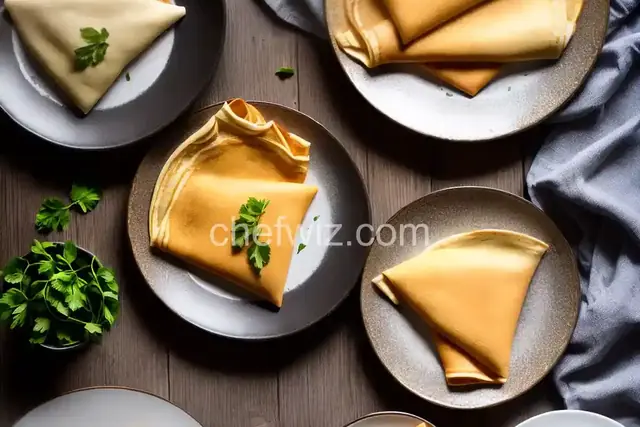
 Are you a fan of pancakes? If so, you're in for a treat. Hungarian crepes, known as palacsinta, are a delicious variation of this breakfast favorite.
 By AprilPublished
 Are you a fan of pancakes? If so, you're in for a treat. Hungarian crepes, known as palacsinta, are a delicious variation of this breakfast favorite.
Combine eggs, flour, milk, sugar, and salt in a bowl and mix until a smooth pancake batter is formed.
Allow the batter to rest for 1 to 2 hours.
Just before cooking the pancakes, stir in the carbonated water.
Heat an 8-inch frying pan.
Once the pan is hot, add 1/4 teaspoon of butter.
Allow the butter to melt and swirl it around to cover the bottom of the pan.
Pour a ladle of the batter into the pan.
Gently tip and twist the pan to ensure the batter covers the entire bottom.
Cook until the top of the batter begins to bubble.
Flip the pancake over and cook for an additional 4 or 5 seconds.
Remove the pancake from the pan.
Repeat steps 7-11 until all the batter is cooked, adding butter before cooking each pancake.
Serve the pancakes by spreading raspberry jam, cocoa mix, or your preferred filling onto them.
Roll up the pancake and serve with fresh berries.
Are you a fan of pancakes? If so, you're in for a treat. Hungarian crepes, known as palacsinta, are a delicious variation of this breakfast favorite. These thin, delicate pancakes are not only easy to make but also incredibly versatile. Whether you prefer them sweet or savory, there's a palacsinta recipe for every palate.
Making palacsinta is an art form. The batter must be just the right consistency, not too thick and not too thin. It should spread evenly across the pan, creating a thin layer that cooks quickly and evenly. The key is to have a good non-stick pan and a little bit of patience.
Imagine the pleasure of flipping a palacsinta in the air, watching it gracefully land back in the pan, perfectly cooked on both sides. It's like a performance, a culinary ballet. And the reward? A stack of golden-brown palacsinta waiting to be filled with your favorite ingredients.
One of the best things about palacsinta is the sheer variety of fillings you can use. If you have a sweet tooth, you can fill your palacsinta with Nutella, jam, fresh fruits, or even a dollop of whipped cream. The possibilities are endless. Each bite is like a burst of flavor, a symphony of taste.
On the other hand, if you prefer something savory, palacsinta can be filled with meats, cheese, or vegetables. Imagine biting into a palacsinta filled with creamy mushrooms or tender chicken. It's like a savory surprise, a delightful combination of textures and flavors.
Palacsinta has a special place in Hungarian cuisine. It's a beloved dish, often served on special occasions or as a comforting treat. The thin pancakes are a symbol of warmth and hospitality, bringing people together around the table.
Just like the layers of a palacsinta stack, Hungarian culture is rich and diverse. The country's history and traditions blend together to create a unique culinary experience. And palacsinta is a delicious representation of that heritage.
Absolutely! You can make palacsinta ahead of time and store them in the refrigerator for up to three days. Just make sure to place a sheet of parchment paper between each pancake to prevent sticking.
Yes, you can freeze palacsinta for future use. Simply stack the pancakes with parchment paper in between, wrap them tightly in plastic wrap, and place them in a freezer bag. They can be stored in the freezer for up to three months.
To reheat palacsinta, simply place them in a preheated oven at 350°F (175°C) for about 5 minutes, or until they are warmed through. Alternatively, you can reheat them in a non-stick pan over low heat, flipping them gently until heated.
Yes, you can use gluten-free flour to make palacsinta. Simply substitute an equal amount of gluten-free flour for the regular flour in the recipe. The result will be just as delicious.
Yes, you can make palacsinta without eggs. There are several vegan palacsinta recipes available that use alternative ingredients such as flaxseed meal or mashed bananas as egg substitutes.
While palacsinta and French crepes are similar, they do have some differences. Palacsinta are typically thinner and lighter, while French crepes are slightly thicker. Additionally, the fillings and toppings used in each cuisine may vary.
Absolutely! A regular non-stick frying pan works perfectly fine for making palacsinta. Just make sure to use a small amount of batter to create thin, delicate pancakes.
Definitely! Palacsinta can be served as a delightful dessert. Fill them with sweet ingredients like chocolate, fruit compote, or ice cream, and dust them with powdered sugar. It's a dessert that will wow your guests.
In conclusion, Hungarian crepes, or palacsinta, are a versatile and delicious treat that can be enjoyed in various ways. Whether you choose to fill them with sweet or savory ingredients, they are sure to satisfy your cravings. So why not give palacsinta a try and experience the joy of this Hungarian culinary delight?
AprilCook, recipe developer and the heart of Chefwiz. More about April