Hunan Kung Pao
Rate this recipeBe the first to rate
 By AprilPublished
 Are you a fan of spicy food? Do you enjoy the mouthwatering combination of flavors in Chinese cuisine?
 By AprilPublished
 Are you a fan of spicy food? Do you enjoy the mouthwatering combination of flavors in Chinese cuisine?
In a mixing bowl, combine chicken, shrimp, 4 teaspoons of soy sauce, 4 teaspoons of rice wine, and 2 teaspoons of sesame oil. Mix well and sprinkle with cornstarch until evenly coated. Let it marinate for 25 minutes.
Heat half of the vegetable oil in a wok over high heat. Add the chicken mixture and cook until the chicken turns white on the outside and is slightly pink in the center (approximately 5 minutes). Remove the chicken mixture and clean the wok.
Heat the remaining vegetable oil over high heat. Add the garlic and cook for a few seconds until it starts to brown. Stir in the dried chiles and Sichuan peppercorns and cook for a few more seconds until the peppers darken.
Add the red and green bell peppers, dark soy sauce, 2 tablespoons of rice wine, and sugar. Bring to a boil and then add the chicken mixture. Cook for about 5 more minutes until the peppers are almost tender and the chicken is cooked through.
Stir in peanuts and green onion until the green onion becomes limp. Finally, add a few drops of sesame oil before serving.
If desired, you can substitute cashews for the peanuts.
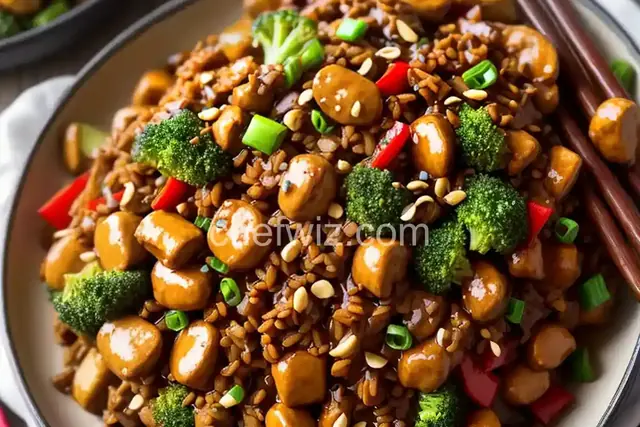
Are you a fan of spicy food? Do you enjoy the mouthwatering combination of flavors in Chinese cuisine? If so, then Hunan Kung Pao is a dish you must try! Originating from the Hunan province in China, this culinary masterpiece combines heat, tanginess, and umami in a way that will leave you craving for more. In this article, we will explore the rich history, unique ingredients, and the tantalizing experience of indulging in Hunan Kung Pao.
Hunan province, known for its bold flavors and love for spice, gave birth to the iconic dish known as Kung Pao. Legend has it that a Qing Dynasty official named Ding Baozhen created the dish as a tribute to his homeland. With its fiery chili peppers, Sichuan peppercorns, and savory combination of chicken, peanuts, and vegetables, Kung Pao quickly gained popularity and became a staple in Chinese cuisine.
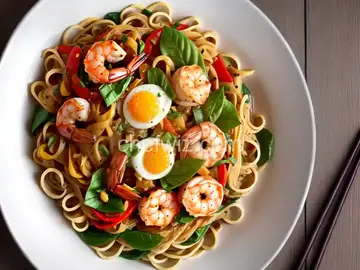
Hunan Kung Pao owes its unique taste to a combination of carefully selected ingredients. The star of the show is the dried chili pepper, which adds a kick of heat and smoky flavor. Sichuan peppercorns, known for their numbing effect, provide a tingling sensation on the tongue. Tender chicken, crunchy peanuts, and a medley of vegetables such as bell peppers, onions, and zucchini complete the ensemble, creating a perfect balance of texture and taste.
What sets Hunan Kung Pao apart from other spicy dishes is its masterful blend of flavors. The heat from the chili peppers is tempered by the sweetness of dark soy sauce, tanginess of black vinegar, and a hint of sweetness from sugar. All these ingredients come together in harmony, creating a symphony of flavors that dance on your taste buds with every bite.
When you take your first bite of Hunan Kung Pao, your taste buds are in for a rollercoaster ride. The initial spiciness hits you like a burst of fireworks, awakening your senses. As the heat subsides, the complex flavors unfold, revealing layers of smokiness, tanginess, and a touch of sweetness. The crunch of peanuts and the tenderness of chicken add an element of surprise, making each mouthful a delightful experience.
Indulging in Hunan Kung Pao is like embarking on a culinary adventure. The combination of spice, tang, and umami creates a symphony of flavors that will leave you wanting more. Whether you're a spice lover or simply looking to explore new taste sensations, Hunan Kung Pao is a dish that should not be missed. So, gather your ingredients, fire up the wok, and get ready to savor the explosion of flavors that awaits you!
Hunan Kung Pao is known for its spiciness, but the heat level can be adjusted according to personal preference. You can control the spice by adjusting the amount of chili peppers and Sichuan peppercorns used in the dish.
Absolutely! You can substitute the chicken with tofu or seitan to make a vegetarian version of Hunan Kung Pao. The dish will still retain its unique flavors and textures.
The correct pronunciation of "Kung Pao" is "kung pow." It's a name that rolls off the tongue and adds to the charm of this delectable dish.
Yes, you can make a gluten-free version of Hunan Kung Pao by using gluten-free soy sauce and ensuring that all the ingredients are free from gluten contamination.
Hunan Kung Pao can be a healthy dish if prepared with lean protein, plenty of vegetables, and minimal oil. It is a great source of vitamins, minerals, and antioxidants.
Hunan Kung Pao pairs well with steamed rice or noodles. You can also serve it alongside stir-fried vegetables or a refreshing cucumber salad for a complete meal.
While Hunan Kung Pao is best enjoyed fresh, you can make the sauce ahead of time and store it in the refrigerator. Simply stir-fry the chicken and vegetables when you're ready to serve.
Hunan Kung Pao and Sichuan Kung Pao share similarities in terms of spiciness and the use of Sichuan peppercorns. However, Hunan Kung Pao tends to have a bolder and smokier flavor profile, while Sichuan Kung Pao is known for its numbing and spicy taste.
AprilCook, recipe developer and the heart of Chefwiz. More about April